Show summary Hide summary
Jasveer Singh, a co-founder of a popular dating app, has reopened a long-running debate by questioning the practice of touching elders’ feet as a form of respect. His comments — arguing that deference should be earned rather than automatically given on the basis of age — have reignited conversations about tradition, consent and changing social norms across generations.
Why this matters now
Pune sees new conversion-law FIRs, citywide food-safety raids and Tiranga Yatra traffic chaos
Dating app co-founder ignites uproar over foot-touching filial ritual: respect must be earned
The exchange matters because it touches on everyday behavior in homes and public life, and because it reflects a wider generational reassessment of inherited customs. As younger people increasingly scrutinize rituals that were once unquestioned, families and institutions face practical and emotional consequences.
A gesture and its critics
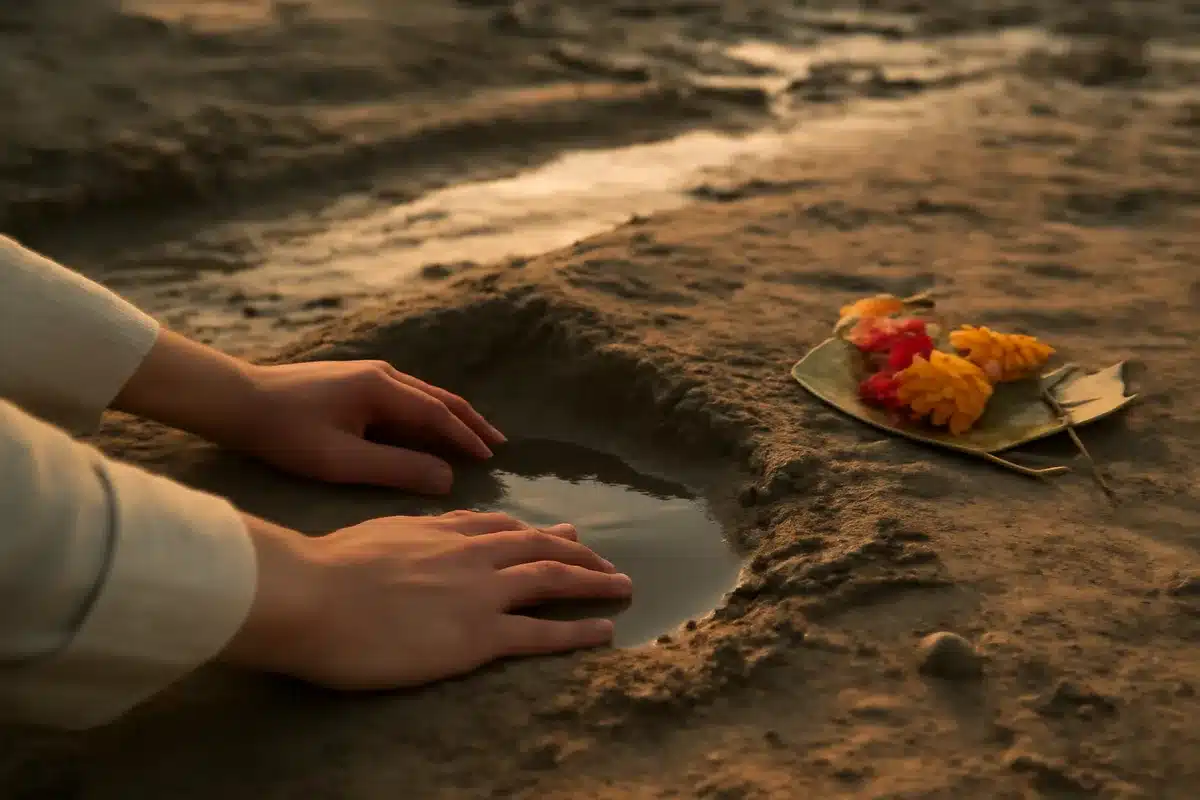
In many South Asian households, the act of bowing to touch an elder’s feet — often called charan sparsh or pranam — has long been an outward symbol of reverence and family hierarchy. Singh’s remarks do not reject the value of respect itself; rather, he asks whether respect should automatically flow from seniority or from a person’s behavior and character.
Responses have been mixed. Some social media users welcomed the challenge as a push toward more reciprocal relationships between generations. Others saw the critique as a provocative dismissal of cultural continuity, arguing that rituals create bonds and teach humility.
What the debate highlights
- Consent and comfort: Younger people often raise questions about physical contact, especially when it involves elders they do not know well.
- Merit versus age: The discussion separates respect for elders into two forms — automatic deference based on age and earned respect based on actions and values.
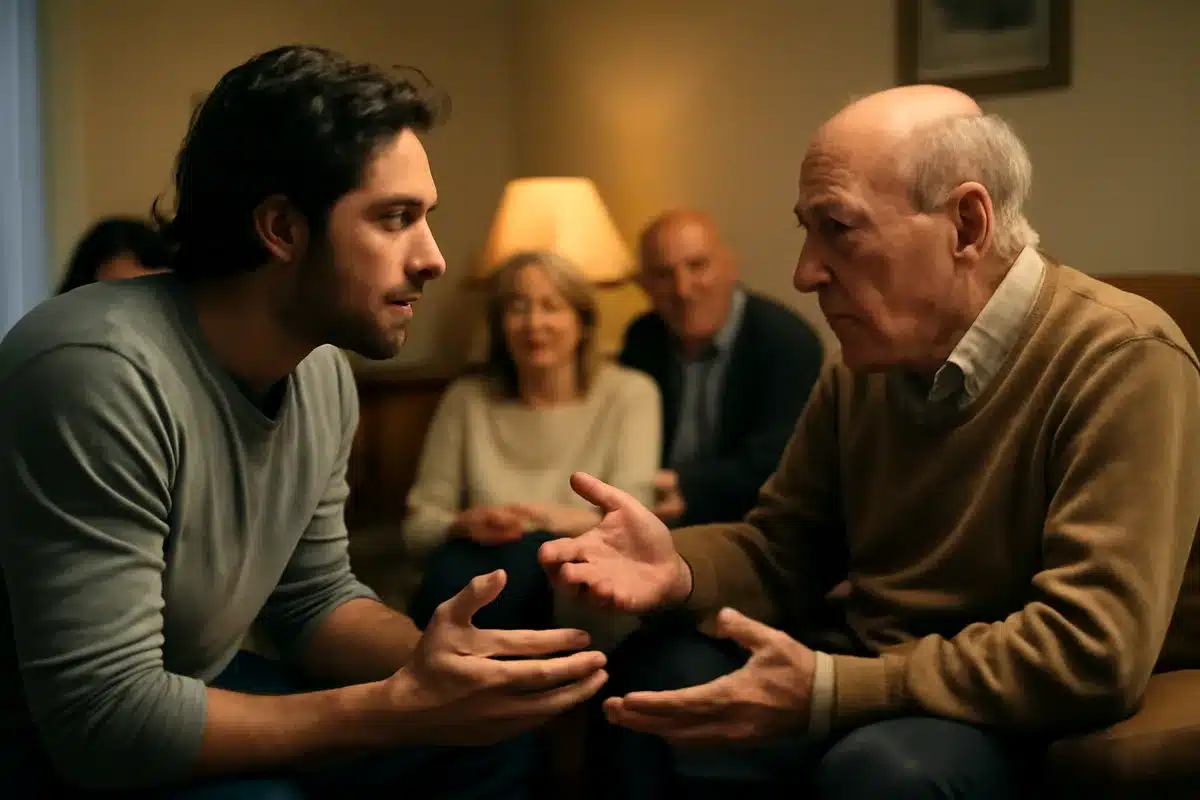
- Intergenerational tension: Shifting attitudes can create awkwardness in family gatherings and rituals, forcing older and younger members to renegotiate expectations.
- Public behavior and workplaces: As private traditions spill into professional settings, organizations must consider how cultural practices intersect with workplace norms and employee comfort.

Voices on both sides
Supporters of Singh’s stance argue that re-evaluating traditions is part of social progress. They say encouraging young people to question arbitrary deference can reduce blind obedience and promote accountability across age groups.
Those defending the custom point out that rituals often carry symbolic meaning beyond the literal act. For many, touching feet is a way to express gratitude, maintain continuity with past generations and affirm family identity. Dismissing the practice, they warn, risks eroding links that families rely on for cohesion.
Practical implications
The dispute has practical effects. Parents and elders may feel disrespected if familiar rituals are set aside, while younger family members can feel pressured to perform gestures that conflict with personal boundaries. In mixed-generation households, navigating these differences requires both empathy and clear communication.

Some families are already finding compromises: offering a simple verbal greeting, a handshake, or a nod in place of physical contact; or discussing the meaning behind the ritual so everyone understands why it matters to different people.
Where this conversation could lead
Whether Singh’s comments will change behavior widely is uncertain, but the debate is emblematic of a larger cultural moment. Traditions are being reexamined not just for their symbolism but for their real-world impact on dignity and consent.
For readers, the immediate takeaway is straightforward: conversations about customs can be uncomfortable but constructive. Families that talk openly about what rituals mean and why they are practiced are more likely to find respectful, practical ways to preserve what matters while adapting to modern sensibilities.