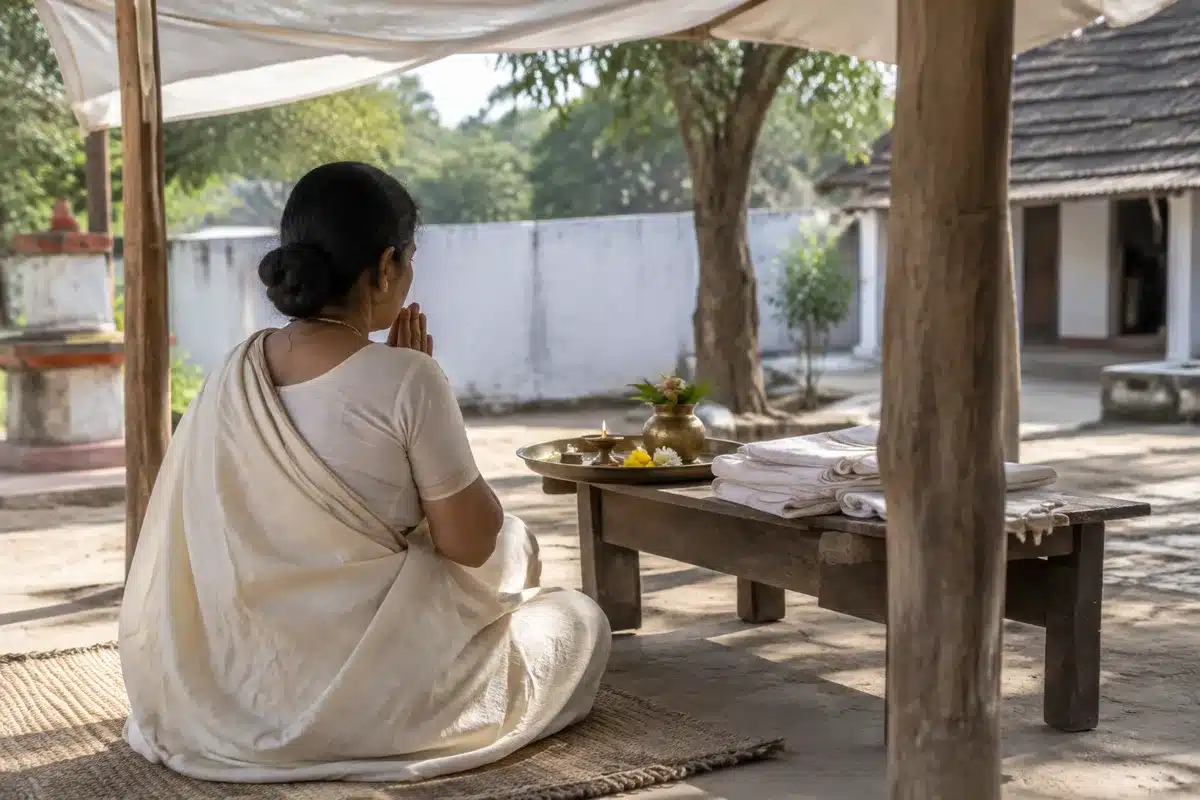
As wedding bills climb across South Asia, many families and community leaders are revisiting older religious prescriptions that once kept marriage ceremonies modest and focused on rites rather than spectacle. Those traditions offer concrete ways to cut costs, redirect funds to needier households and preserve ritual meaning—an issue that matters now as weddings become a major financial burden for middle-class households.
Scriptural guidance within Hindu tradition frames marriage as a sacred rite rather than a social showpiece. Historically, the essential expenditures were limited: new clothes (often simple cotton), a tirumangalyam or mangalasutra with a small gold ornament, a modest token to the officiating priest and a small musical invocation at the auspicious moment. Feasting was meant for close family only.

Those limits suggest three immediate benefits today. First, ceremonies remain accessible to lower-income families. Second, affluent households can reallocate luxury spending toward community support. Third, rites retain their spiritual purpose rather than becoming status displays.
Marriage costs bite: sastras push for simpler, affordable ceremonies
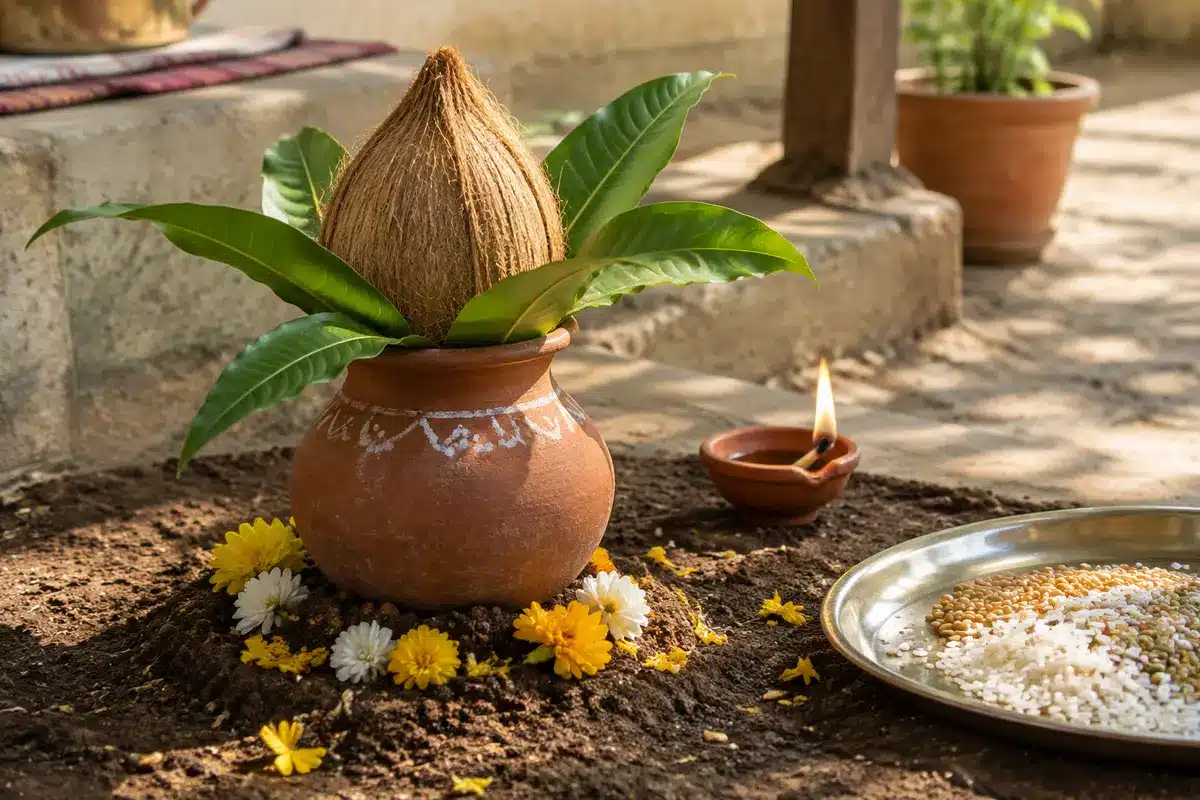
Navratri 2026: ghatasthapana kicks off nine days of worship, Dussehra on Oct 20
Practical suggestions drawn from these precepts are straightforward and adaptable to modern life.
- Reduce venue and décor expenses: use community halls or purpose-built mandapas rather than costly rented banquets.
- Keep the guest list selective: feed only close relatives and essential participants.
- Prioritize symbolic items: choose simple wedding attire and a modest mangalasutra instead of lavish ensembles and heavy jewelry.
- Limit paid performances: a brief, auspicious musical piece suffices at the muhurta (auspicious time).
- Pay a reasonable daksina to priests; avoid large honoraria that turn spiritual officiation into commerce.
Communities and philanthropists could amplify impact by pooling resources. Small, locally managed mandapas would bring down venue costs for several families; organized group weddings—already practiced in some places—can mirror the scale-efficiencies of other collective rituals while preserving individual solemnisation. Money saved on showy recitals or elaborate receptions can underwrite weddings for economically vulnerable brides, converting private display into public assistance.

Scriptural procedure traditionally unfolds over several days rather than a single hectic event. The canonical design separates the formal solemnisation from subsequent household rites: the marriage act is celebrated on one day, while the groom spends a prescribed period—ranging from a few days to longer periods of observance—in his household, carrying out specific domestic ceremonies and maintaining ritual disciplines. One of these practices is the bringing of the household sacred fire, sometimes termed aupassanagni, which is established at the groom’s home and used for regular domestic rites.
In contemporary practice many of these stages are compressed into a single day, a change driven partly by attempts to cut costs but often producing the opposite effect: families save on prolonged hospitality yet still spend heavily on display items. Critics of the single-day model argue that it strips ceremonies of their contextual meaning—rituals that were designed to bridge two families and mark a transitional household process are reduced to a punctual event.
Another prescription worth noting is the expectation of post-nuptial restraint for the groom—variously described in texts as periods of celibacy or brahmacarya for a minimum number of days. Traditionalists say this interval is meant to allow the newly formed household to establish its domestic rites and rhythms before the marriage is consummated. While modern lifestyles have largely abandoned these timelines, proponents argue they can ease psychological and relational transitions during the early married days.
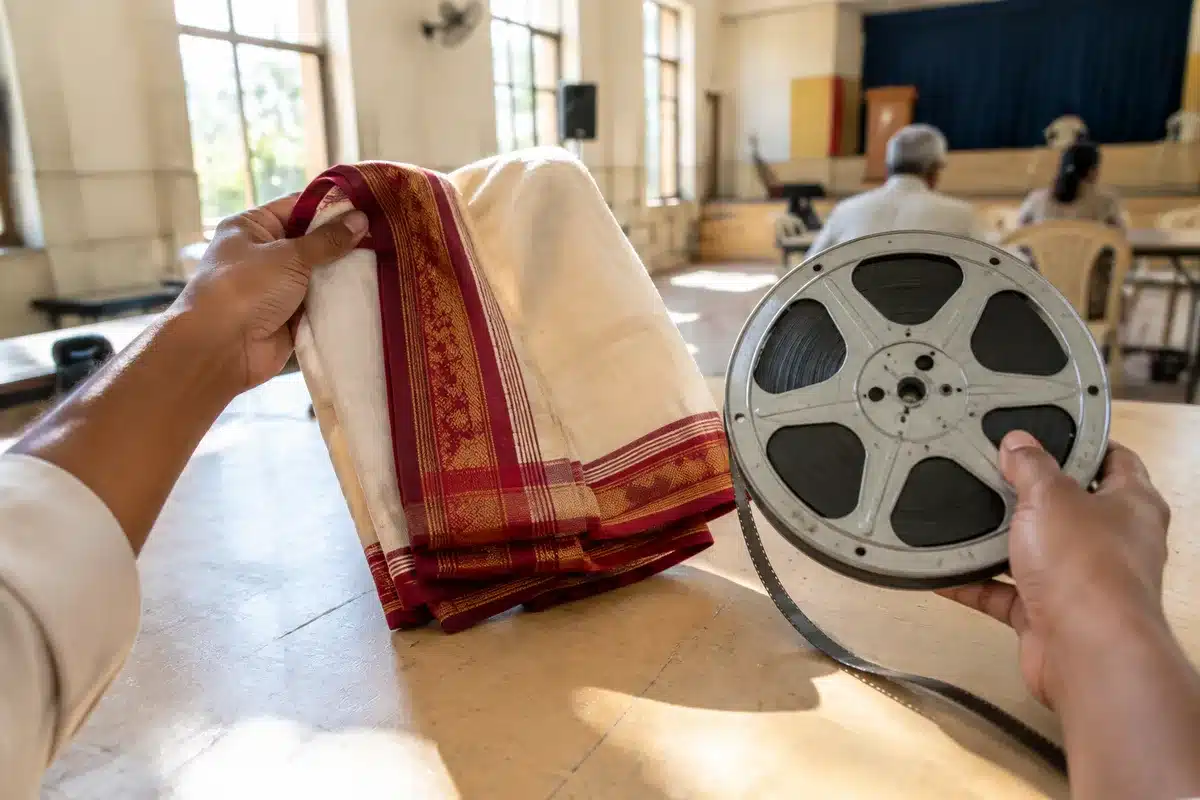
Regional customs also offer cost-saving models: in many parts of India, brides and grooms wear simple garments—cotton dyed with turmeric in some South Indian communities—even among families of means. Embracing these understated aesthetics can reduce pressure to meet expensive fashion expectations.
How do families translate these principles into real choices? Below are practical steps households and communities can adopt immediately:
- Set a firm budget and stick to a short checklist of ritual essentials.
- Encourage guests to donate travel and hospitality funds to a marriage-support pool instead of attending in person.
- Coordinate with local trusts or religious institutions to reserve low-cost mandapas.
- Promote “mass marriages” for low-income couples managed by reputable charities or temples.
- Educate youth about the ritual meanings behind ceremonies to reduce the perceived need for spectacle.
There are trade-offs. Condensing rituals can make logistics simpler, but it may also erode certain communal functions—opportunities for family bonding, local economy activity and public affirmation of new households. The challenge is not simply to spend less but to spend wisely: preserve rites that matter, eliminate expense that serves only appearance, and use surplus resources to expand access.
With wedding costs continuing to climb, revisiting traditional templates offers a timely set of policy and social choices. Whether families adopt a pared-down script, organize group ceremonies, or fund others’ weddings with money they would have spent on extravagance, the underlying aim is practical: to align ritual observance with social equity and economic prudence while keeping the ceremony’s spiritual core intact.