Show summary Hide summary
Once linked to formal power, land and state privileges, India’s royal households now occupy a more ambiguous place: they are cultural custodians, luxury entrepreneurs and public personalities whose choices ripple beyond family compounds. As 2026 unfolds, the question of what it means to be “royal” in India is less about titles and more about how these families navigate law, commerce, media and public expectation.
Theirs is a role shaped by history and modern pressures. The abolition of official royal privileges in the early 1970s removed legal authority, but not the social cachet that many families still command. Today that cachet translates into influence in tourism, conservation, politics and lifestyle branding — arenas where decisions by a handful of descendants can affect local employment, heritage preservation and civic memory.
From palaces to profit — and preservation
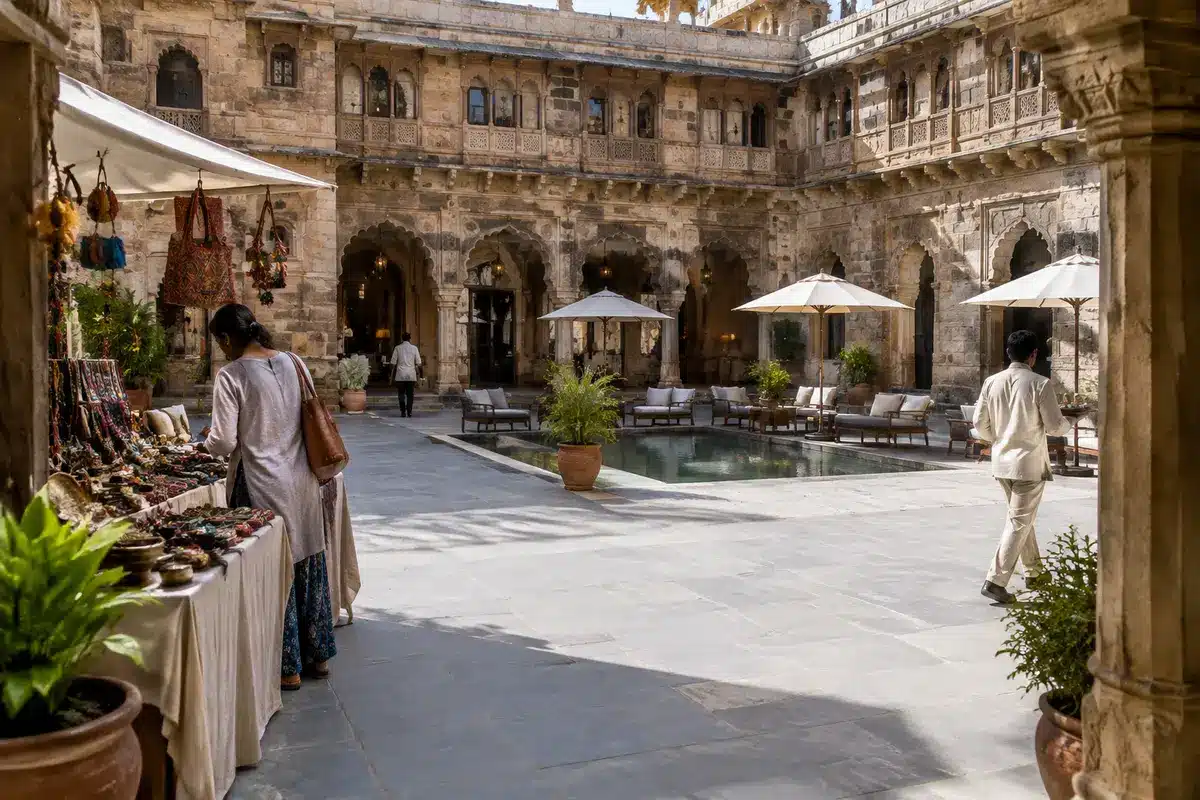
A notable shift over recent decades has been the transformation of ancestral homes into sustainable enterprises. Converting a palace into a hotel or museum is no longer simply a way to preserve marble and frescoes; it is often a pragmatic business decision that underwrites maintenance costs and local livelihoods.
Sharad Purnima 2026: moonrise time and rituals for kheer and all-night vigil
Ugadi guide: crucial updates, dates and traditions to know today

These efforts bring trade-offs. Restored properties create jobs and draw cultural tourism, but they also raise questions about access and authenticity: which stories are curated for guests, and who decides the narrative of a place once held in common? The balance between conservation, commercialization and community benefit remains delicate.
Politics without a crown
Despite the formal end of royal status, descendants continue to play visible roles in electoral politics and civic life. Many leverage longstanding local networks and family names to win votes, serve in legislatures or support civic causes. Their involvement can mobilize resources quickly, but it also invites scrutiny about privilege, accountability and the concentration of influence.
Legal clarity is another factor. Property disputes, trusts and inheritance matters frequently land in courts, with rulings that can determine the fate of estates, temples and public-facing heritage projects for years.
Public persona and the digital age
Unlike earlier generations, contemporary heirs operate in a media environment where Instagram posts and lifestyle profiles shape public perception. For some families, careful branding opens international markets for textiles, handicrafts and hospitality; for others, social exposure intensifies demands for transparency about property use, land rights and philanthropy.
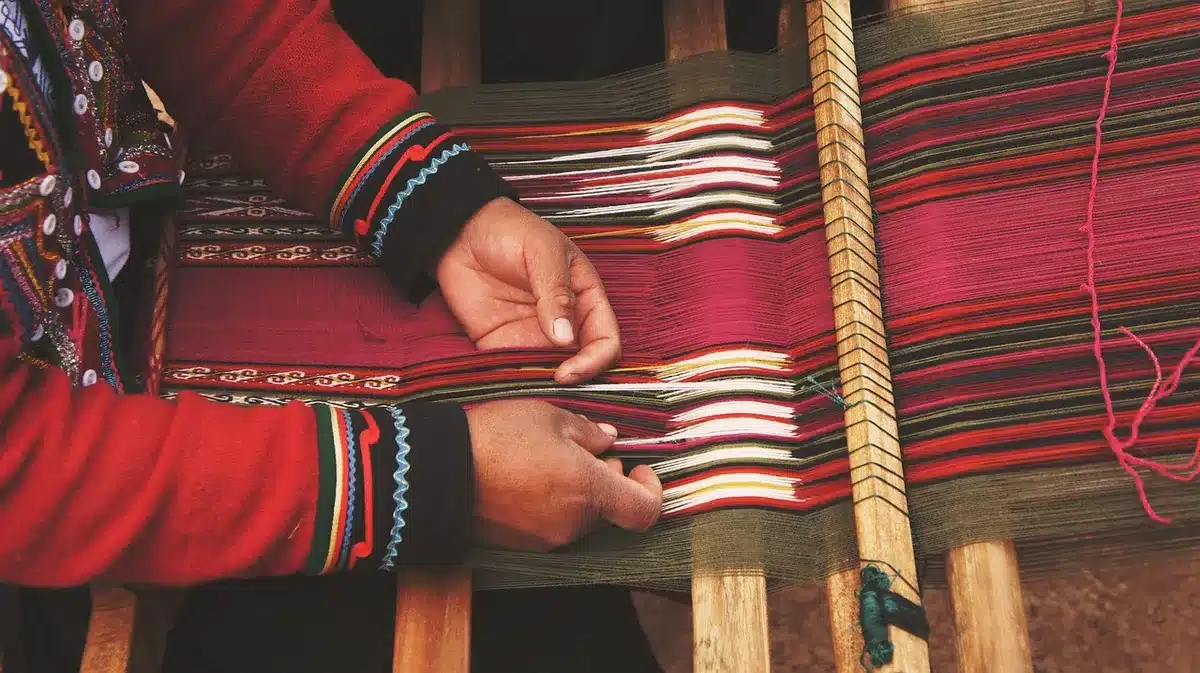
Social media amplifies both opportunity and accountability. A well-run page can turn archival photos into a promotional asset; a misstep can prompt sustained criticism and rapid reputational damage.
- Heritage tourism: Palaces as hotels, museums, and event venues that fund upkeep and create jobs.
- Conservation: Investments in restoring architecture, artworks and traditional crafts.
- Political engagement: Electoral participation, public office and local leadership roles.
- Commercial ventures: Licensing of family brands, handicrafts, and lifestyle enterprises.
- Legal stewardship: Court cases over property rights, trusts and inheritance affecting communities.
Economic and social stakes
The actions of royal families have tangible consequences in many regions. Successful heritage projects can revive entire craft clusters and sustain regional tourism economies. Conversely, opaque deals or poorly managed restorations can erode public trust and displace local vendors who rely on traditional markets.
There is also a cultural dimension: how history is presented influences collective memory. Choices about which archives to open, which rituals to continue, and which narratives to foreground matter for regional identity and education.
What readers should watch for in 2026
Several trends will determine how the contemporary role of Indian royalty evolves this year and beyond:
- Renewed interest from domestic luxury travelers and international visitors, which will test capacity and conservation standards.
- Legal outcomes in inheritance and property cases that may redefine ownership and public access.
- Collaborations between descendants and conservationists or universities that could alter preservation practices.
- How families manage public scrutiny, from labor conditions on estate properties to transparency in commercial deals.
Understanding modern Indian royalty means looking past romantic images of processions and palaces. It requires examining how historical privilege is repurposed in contemporary markets and civic life, and what that repurposing means for communities, culture and governance.
For readers, the practical takeaway is straightforward: decisions made by these families today can shape local economies, heritage access and cultural narratives for decades. Following those developments reveals much about how India reconciles past hierarchies with present democratic expectations and market realities.