Show summary Hide summary
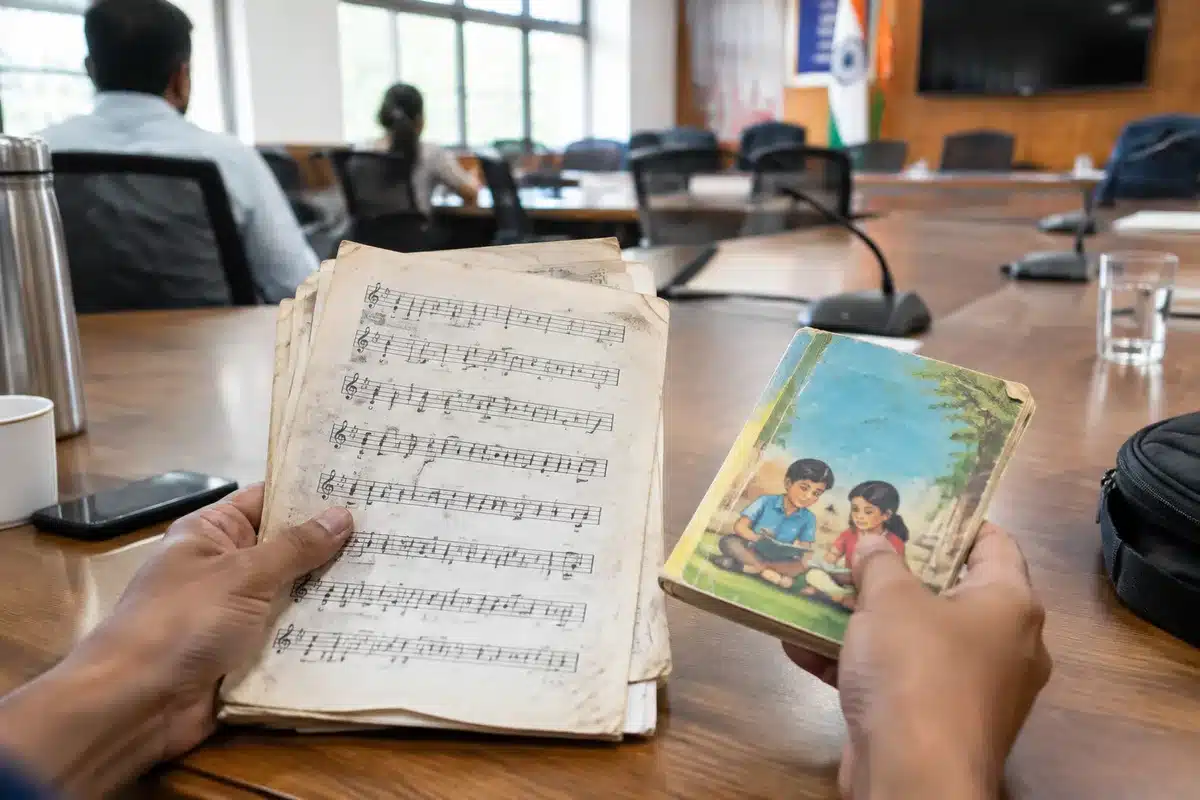
Union Home Minister Amit Shah on Monday framed the recovery of the national song Vande Mataram as a long-running restoration of cultural memory and tied that effort to current language policy, saying it took nearly 80 years to revive the song’s “full glory.” His remarks, delivered at the 6th All India Rajbhasha Sammelan, underline how language and heritage remain central to the government’s education and cultural agenda.
Shah recalled the song’s central role in India’s independence movement and described its renewed prominence as part of a broader push to place traditional cultural symbols back into public life. He argued this is not merely symbolic, but part of shaping a shared national consciousness.
Defending the language clause in the new education policy
Addressing a contentious element of the National Education Policy, Shah defended the recommendation that students learn an additional Indian language alongside their mother tongue. He said critics who oppose the provision were committing a “sin,” adding that the policy’s purpose is to foster mutual familiarity among speakers of different languages rather than to privilege any single tongue.
Sharad Purnima 2026: moonrise time and rituals for kheer and all-night vigil
Ugadi guide: crucial updates, dates and traditions to know today
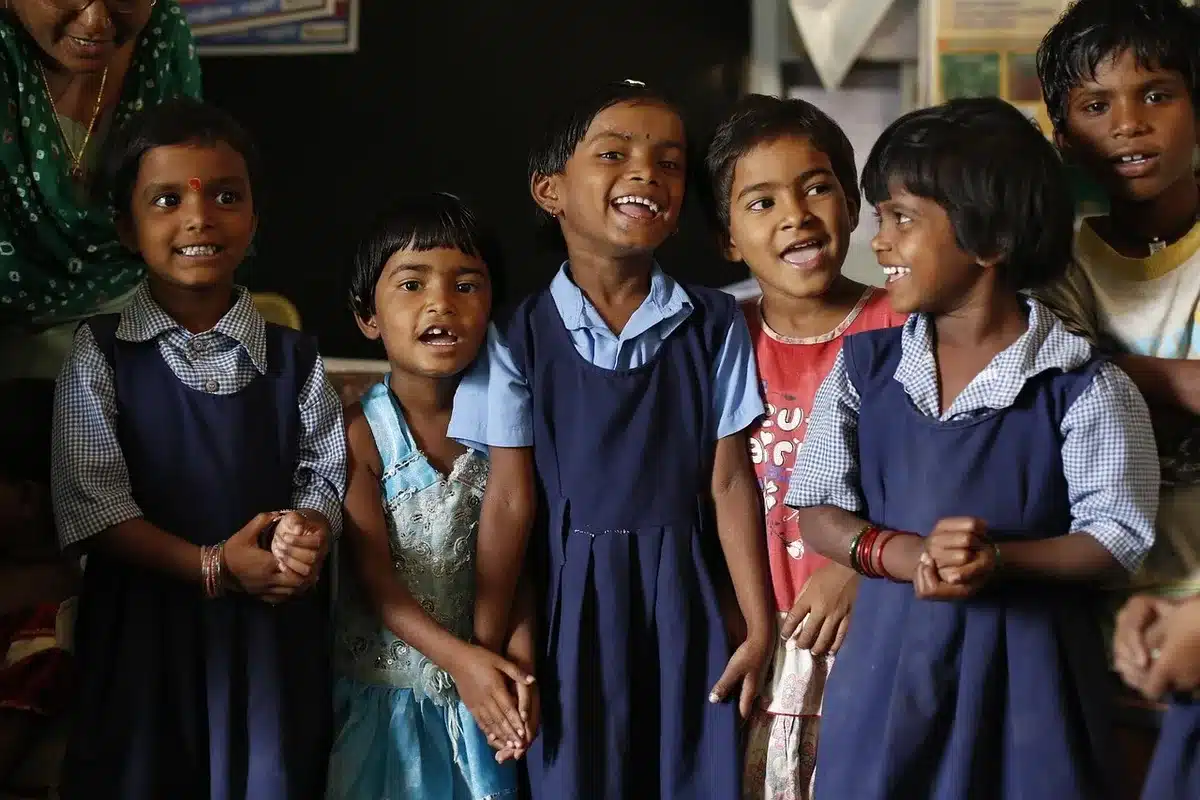
Shah also reiterated a pillar of the NEP as described by the government: prioritising early schooling in the mother tongue and expanding instruction in regional and classical languages at the primary level.
The home minister presented the language initiative as an aspect of what he called cultural nationalism — an effort to increase awareness of India’s history and cultural diversity through education and administration.
Maharashtra and classical-language recognition
Turning to regional examples, Shah highlighted Maharashtra as a uniquely multilingual state, listing communities and languages he said flourish there — including Konkani, Gujarati, Sindhi, Hindi, Kannada and Warli. He also noted that Prime Minister Narendra Modi’s government granted Classical Language status to Marathi, a recognition Shah framed as validation of the state’s literary heritage.
- Vande Mataram: Presented as having regained prominence after nearly eight decades.
- National Education Policy (NEP): Endorsed for encouraging students to learn an additional Indian language.
- Mother tongue instruction: Reaffirmed as a priority for primary education under the NEP.
- Classical Language status: Marathi cited as a recent example of the government recognising regional literary traditions.
- Cultural nationalism: Framed by Shah as promoting historical and linguistic awareness, not linguistic imposition.
Those comments come amid an ongoing government effort to expand the role of Indian languages in schooling and public administration. For readers, the immediate takeaways are practical: changes in curriculum, stronger emphasis on regional languages in official settings, and renewed public debate over how language policy intersects with identity and governance.
Whether these announcements translate into swift classroom changes or longer-term shifts in administrative practice will depend on implementation choices by education authorities and state governments — but Shah’s remarks make clear that language promotion remains a visible priority for the current administration.