Show summary Hide summary
Ancient prescriptive texts and everyday practices often pull in different directions, shaping how communities define duty, marriage, inheritance and ritual life. That tension is not merely academic: in courts, public debates and family disputes across South Asia, the balance between written sastras and living custom determines rights, responsibilities and social change.
At its simplest, the divide comes down to authority. Scriptural compilations — broadly called sastras or smriti in Indic traditions — present norms aimed at guiding conduct for ideal communities. Popular customs, by contrast, are formed by local practice, economic necessity and historical contingency; they can diverge sharply from what texts prescribe.
Where texts and practice collide
Conflicts typically surface when rules in ancient texts clash with everyday expectations or modern law. Ritual prescriptions may be followed in one village and ignored in the neighboring town. Likewise, interpretations of family law rooted in textual authority can run up against constitutional guarantees and evolving social norms.
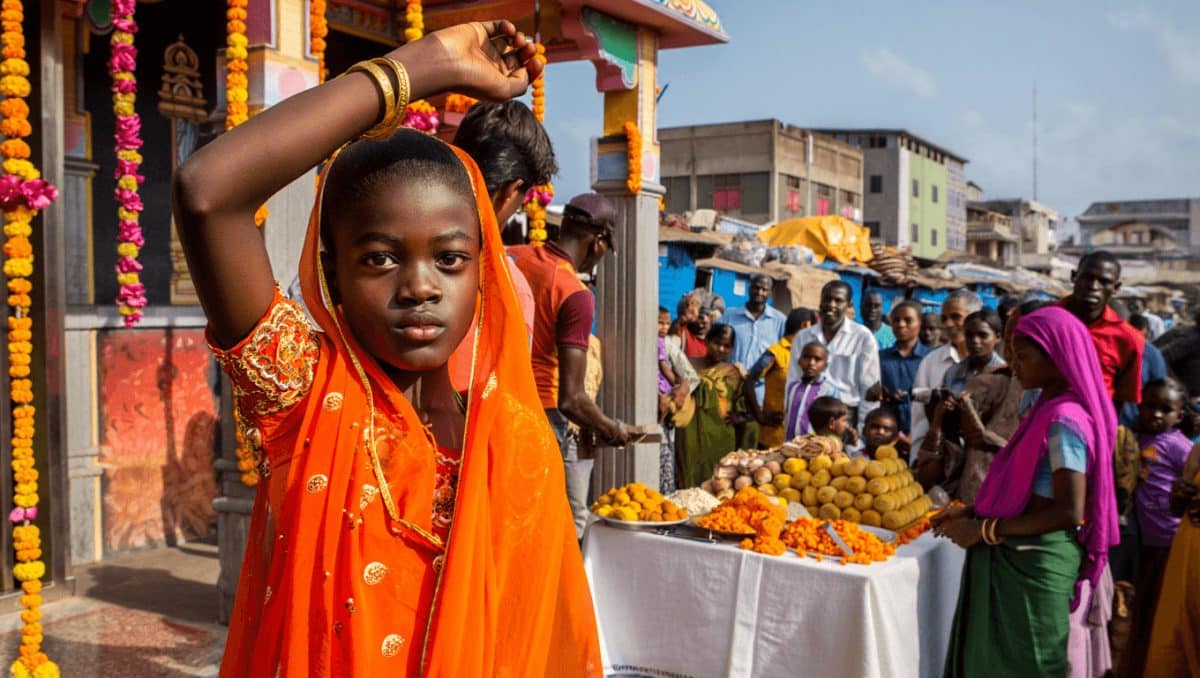
Hinduism gains ground in Africa: new communities reshape culture and commerce
Shah Rukh Khan used the name Abinav to ease in-law worries: Gauri adopted Ayesha during nikaah
These tensions are not static. Migration, urbanization and online networks accelerate the spread of alternative customs and reinterpretations of scripture. Younger generations often prioritize practical arrangements or egalitarian principles over literal textual obedience, producing hybrid practices that blend old texts with new realities.
- Marriage and kinship — choice, endogamy/exogamy patterns, and marriage rites.
- Inheritance and property — customary partition practices versus textual prescriptions.
- Religious roles and access — who may perform rituals or enter sacred spaces.
- Local dispute resolution — panchayats and customary adjudication versus formal courts.
- Social status and mobility — practices that reinforce or challenge hierarchies.
Legal and civic implications
In recent decades, legal systems and constitutional frameworks have had to decide which source carries weight when the two conflict. Courts frequently face questions about whether longstanding community practices should be protected as cultural heritage or set aside when they infringe on individual rights.
That balancing act has practical consequences for citizens: outcomes affect access to property, the recognition of marriages, gender equality within families, and the legitimacy of community governance structures. For individuals, the choice between asserting a customary claim or relying on statutory protections can be decisive.
How communities negotiate change
Change rarely arrives as a clean break. More often, communities reinterpret texts, adapt rituals, or forge compromises that preserve social cohesion while responding to new pressures. Religious leaders, local mediators and grassroots activists play central roles in reframing tradition so it fits contemporary needs.
At the same time, the circulation of legal information and human-rights frameworks has empowered individuals to challenge oppressive customs. That creates friction, but also opportunities for reform that are negotiated from within communities rather than imposed from outside.
What this means for readers
Understanding the relation between sastras and popular custom matters because it shapes everyday rights and expectations. Whether you are dealing with a family dispute, following civic litigation, or observing social change in your neighborhood, the interplay of text and practice explains why outcomes vary and how they might shift.
Practical takeaways:
- Recognize that both written prescriptions and local practice can be sources of authority — and may point in different directions.
- When facing a legal or social conflict, consider both customary norms and statutory or constitutional protections.
- Watch for local actors translating texts into contemporary terms; these mediators often determine how tradition evolves.
As societies continue to change, the dialogue between scripture and custom will remain central to who gets rights, who makes decisions, and how communities order daily life. Observing that process offers a clearer view of the cultural and legal choices shaping the present.