Show summary Hide summary
Mysuru’s annual Dasara took on an unmistakably national tone Wednesday as the city’s procession brought state leaders, foreign envoys and a cross-section of India’s cultural traditions to the palace route. The shift — orchestrated by Karnataka chief minister DK Shivakumar — turned a regional festival into a display aimed at national visibility and cultural diplomacy.
The parade opened shortly after a traditional puja at the palace’s Balarama Gate and culminated with a floral offering at the golden howdah carried by the lead elephant, who made a notable debut. Among the spectators were visiting chief ministers from two other states, film and sports figures, former royal family members and diplomats from abroad — a blend that underlined the event’s widened reach.
What stood out
High Court rules people cannot claim government land for cemetery use
Mysuru Dasara unites India: landmark celebration observed nationwide
- High-profile guests: Kerala chief minister V.D. Satheesan and Telangana chief minister Revanth Reddy attended and joined local leaders in homage at the howdah.
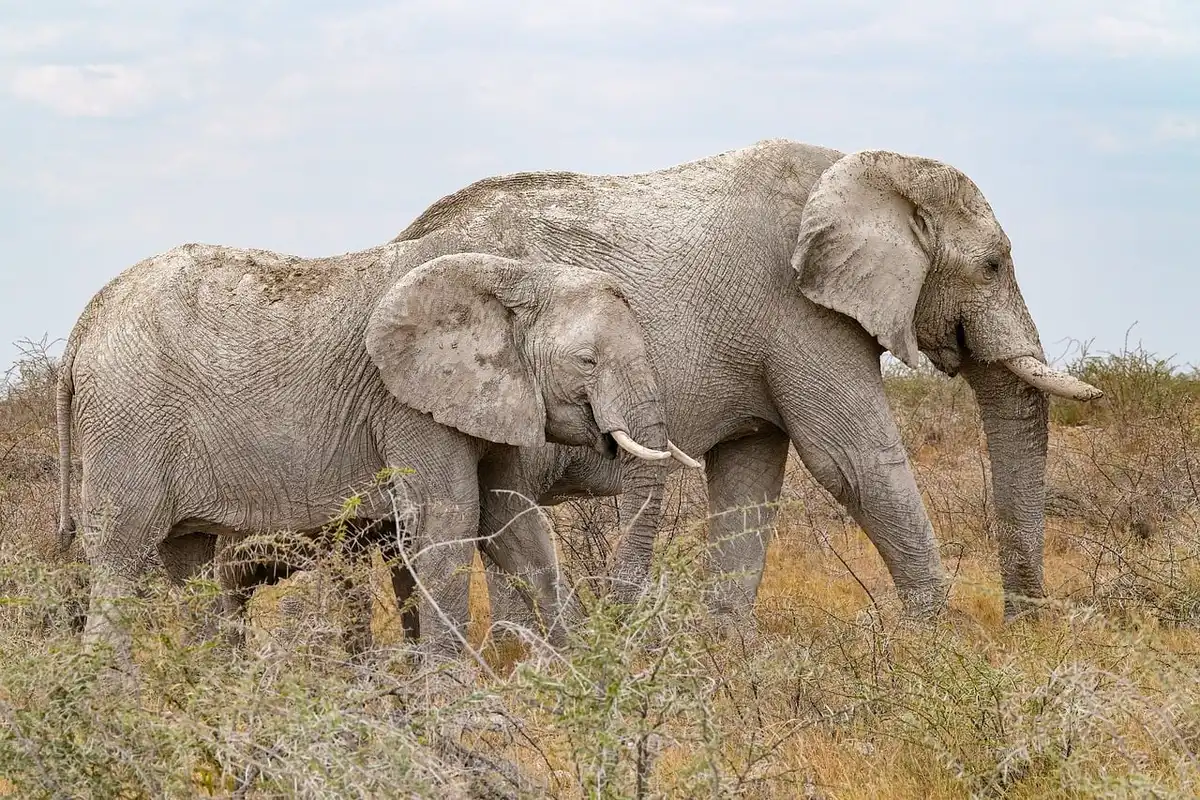
- Elephant procession: The lead elephant, named Prashantha, carried the golden howdah for the first time, flanked by kumki elephants Roopa and Cauvery.
- Wide institutional presence: A record number of tableaux — including exhibits from 10 central government departments and three branches of the armed forces — marched in the procession.
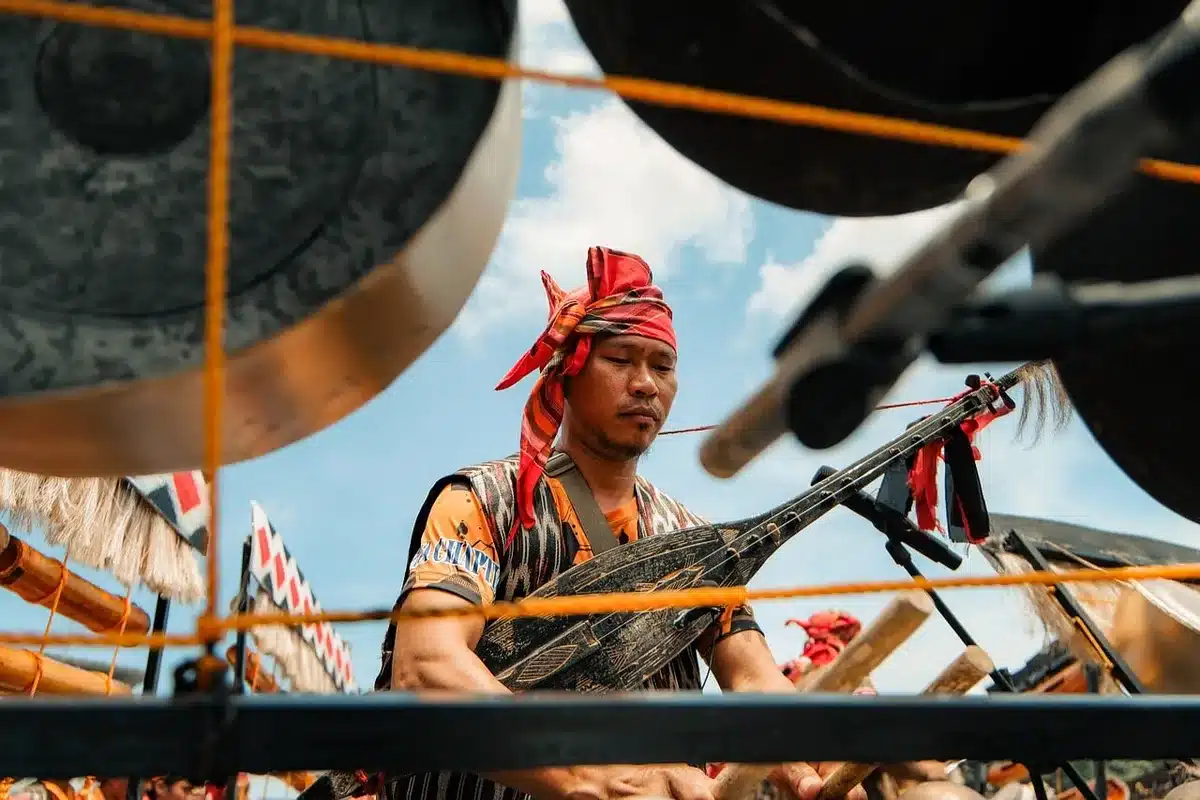
- Cultural range: Performances and tableaux represented traditions from across India, plus a display from the Tibetan settlement at Bylakuppe.
Local leaders shared the route with celebrities: Kannada film star V. Ravichandran and former India cricket captain Anil Kumble were visible participants, traveling on an open double-decker bus that passed the palace vantage points. The procession began in the early afternoon and unfolded over nearly two hours, with the pageant designed to highlight both Karnataka’s heritage and India’s broader cultural diversity.
Participants and pageantry
The event featured 107 tableaux and performances submitted by government units, public institutions, districts and community groups. Traditional art forms from multiple regions were staged along the route, including Kerala’s Singari Melam, Tamil Nadu’s Iraya Nadanam, Bengal’s Jhamar folk display and Manipuri Rasaleela. A tableau from Bylakuppe underscored the Tibetan community’s spiritual and cultural presence in the area.
Among dignitaries present were scion Yaduveer Wadiyar of the erstwhile Mysuru royal family, Mysuru district minister Yathindra Siddaramaiah, Kannada and culture minister Shivaraj Tangadagi, chief secretary Shalini Rajaneesh, deputy commissioner Lakshmikanth Reddy and city police commissioner Seema Latkar. Shivakumar later noted that ambassadors from 13 countries watched the procession from the palace grounds.
Why this matters now
Shifting Dasara toward a national audience has practical implications: it raises Mysuru’s profile for cultural tourism, signals political outreach beyond state borders, and positions Karnataka as a curator of pan-Indian heritage. The chief minister credited young people for amplifying the festival online, saying social media clips and reels helped carry the celebrations to international viewers.
Those developments may influence how future state festivals are organized and promoted. Greater participation by central agencies and visiting officials can make regional celebrations platforms for cultural exchange — but also turn them into stages for political messaging.
At a glance
- Event: Mysuru Dasara procession
- Date: Wednesday (current edition)
- Notable guests: V.D. Satheesan (Kerala), Revanth Reddy (Telangana), Yaduveer Wadiyar
- Special elements: Golden howdah on Prashantha; 107 tableaux; participation from 10 Union ministries and three armed forces
- International visibility: Ambassadors from 13 countries attended; festival clips shared widely online
The ceremony blended ritual observance with a modern outreach strategy — an approach likely to shape Mysuru’s Dasara in years to come, as organizers balance local tradition with broader national and international audiences.