Show summary Hide summary
For many Hindus, a funeral is less a final curtain than a carefully choreographed passage: rites and rituals intended to guide the soul toward its next stage. Understanding these practices matters now as communities worldwide adapt tradition to pandemic realities, environmental concerns and life in the diaspora.
What Hindu funerals aim to accomplish
Central to Hindu belief is the idea that the individual self, or atman, survives bodily death and continues within a cycle of rebirths known as samsara. Funeral rites are not merely commemorative; they are practical steps meant to support that transition and to restore balance for the living.
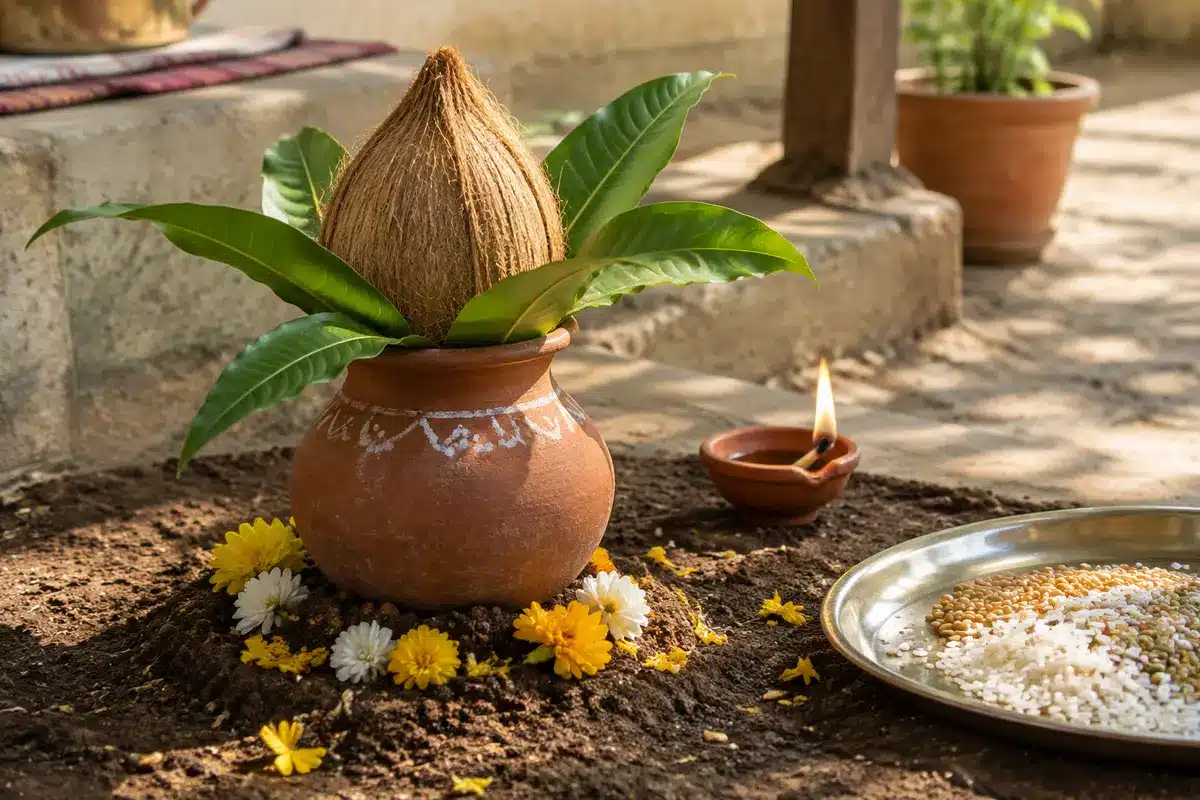
Navratri 2026: ghatasthapana kicks off nine days of worship, Dussehra on Oct 20
Professor Chris Fici blends Hindu scholarship with daily bhakti practice
Rituals vary widely by region, family lineage and sect, but most aim to:
- Authenticate the passing — Public acknowledgment of death and the correct performance of essential rites to prevent spiritual confusion.
- Release the soul — Ceremonies intended to detach the atman from the body and reduce attachments that might delay its onward journey.
- Protect the living — Prescribed periods of mourning and purification to safeguard community health and social order.
Common elements of the rites
While customs differ, several recurring elements appear across many Hindu communities.
- Preparation of the body: The deceased is bathed, dressed simply, and often placed with symbolic items. Family members may perform the last rites at home before transfer to the cremation ground.
- Cremation (antyesti): Historically the most common final act, cremation is seen as releasing the atman from the body. In some traditions, the eldest son or another close kin lights the fire.
- Mourning period: A period of ritual impurity and withdrawal follows, ranging from a few days to a year depending on local custom. Specific observances mark the end of formal mourning.
- Post-funeral ceremonies: Memorial rites, offerings to ancestors, and readings or recitations may be held to aid the departed and maintain family continuity.
Variation and contemporary shifts
Local practice can change dramatically with geography and social context. Urbanization, migration and public health policies have reshaped how communities carry out rites.
In countries with large Hindu diasporas, families often balance legal restrictions and space limits with the need to observe traditions. Environmental concerns have prompted conversations about alternatives to conventional cremation, and some groups are experimenting with greener options while seeking to preserve essential ritual meanings.
Voices bridging tradition and scholarship
Recent dialogues between scholars and practitioners highlight how living traditions adapt. In a recent interview on Mat McDermott’s podcast, professor and former Gaudiya Vaishnava monk Chris Fici described navigating both academic study and devotional life. His path — raised Catholic, experienced as a monk, then trained in theology at Union Theological Seminary — illustrates how insiders and scholars can illuminate the intentions behind rites without reducing them to mere custom.
Such conversations are useful for readers trying to make sense of funerary practices today: they emphasize continuity of purpose even as the outward forms evolve.
Key takeaways for readers
- Hindu funerals focus on aiding the atman and restoring equilibrium for the living.
- Rituals are diverse; local custom, sectarian belief and legal context shape specific practices.
- Modern pressures — public health, environmental concerns, migration — are prompting adaptations while retaining core aims.
At their core, these rites address universal human questions about loss, memory and what comes next. Understanding them offers not only cultural insight but also practical guidance for families and communities navigating death in the contemporary world.