Show summary Hide summary
A one-day fast observed mostly by married Hindu women continues to prompt debate and adaptation across generations and geographies. Karwa Chauth’s rituals—rooted in lunar timing and familial exchange—now sit at the intersection of tradition, diaspora life and contemporary conversations about gender and partnership.
The festival falls in the lunar month that corresponds to October–November in the Gregorian calendar and centers on a day-long fast broken only after the moon appears. For many families, the rites are less about abstention and more about ritual, community and the reaffirmation of marital bonds.
How the day plays out
Karwa Chauth: what couples do to mark the fast and strengthen bonds this autumn
Aryan Khan leans toward Shah Rukh’s faith: Gauri Khan says she won’t convert
Practices vary by region, but a common structure repeats in homes and community halls: a pre-dawn meal or gift bundle, a day of observances and social gatherings, evening prayer, moon-viewing and the ritual break of the fast. Children, extended family and neighbors often shape the tone—festive in some households, quiet and reflective in others.

Typical elements you’ll see:
- Sargi — a packet of food, sweets and beauty items traditionally given to the daughter-in-law by her mother-in-law or elder sisters-in-law before sunrise.
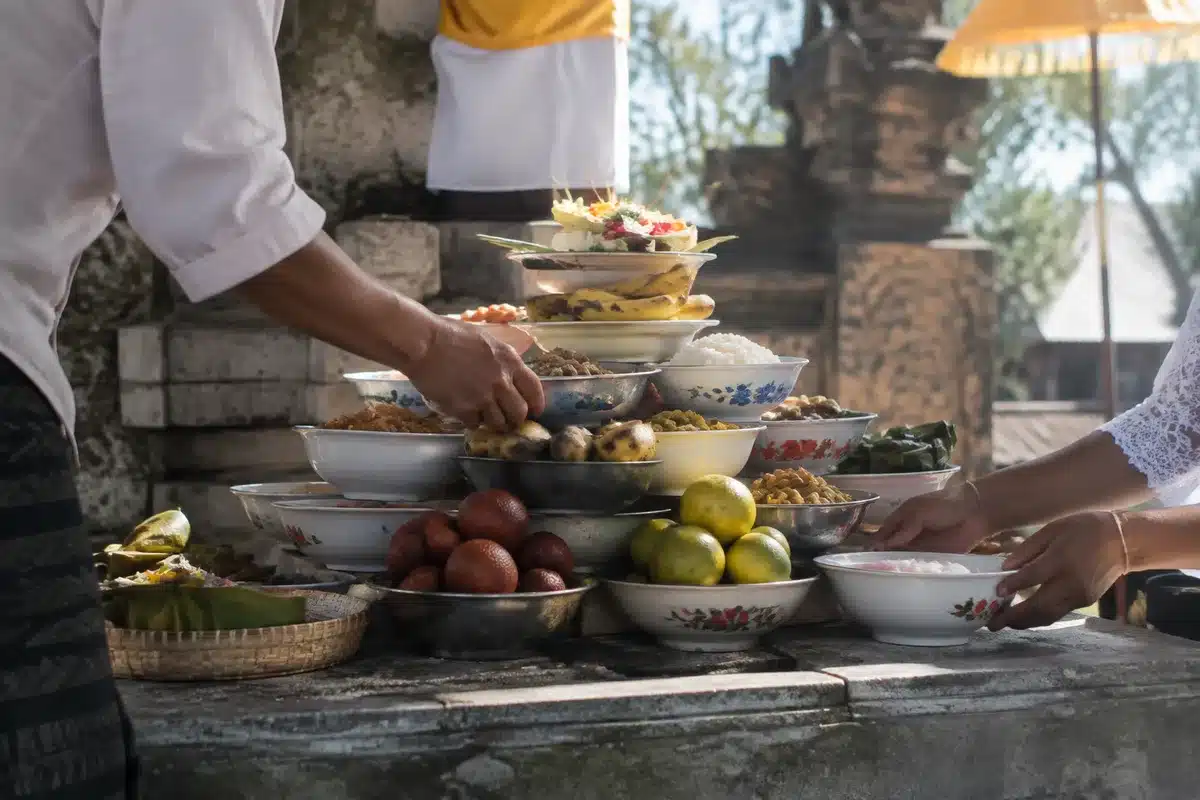
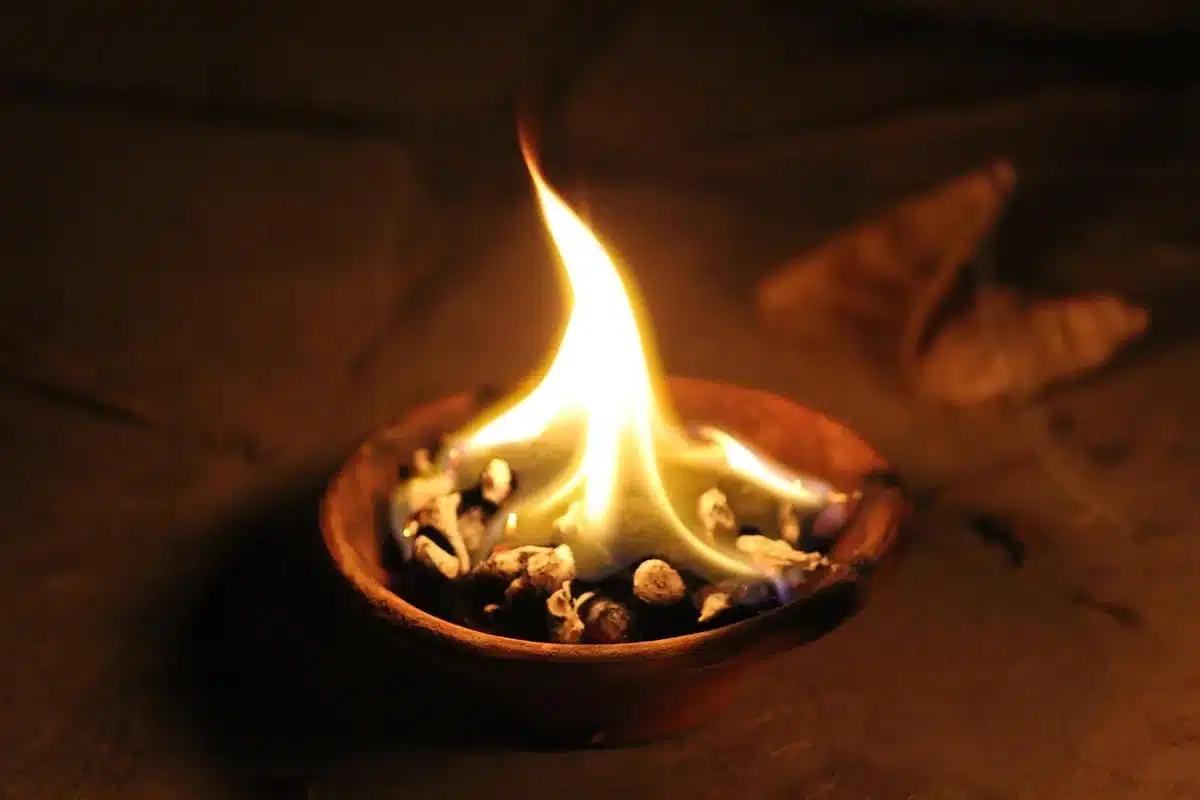
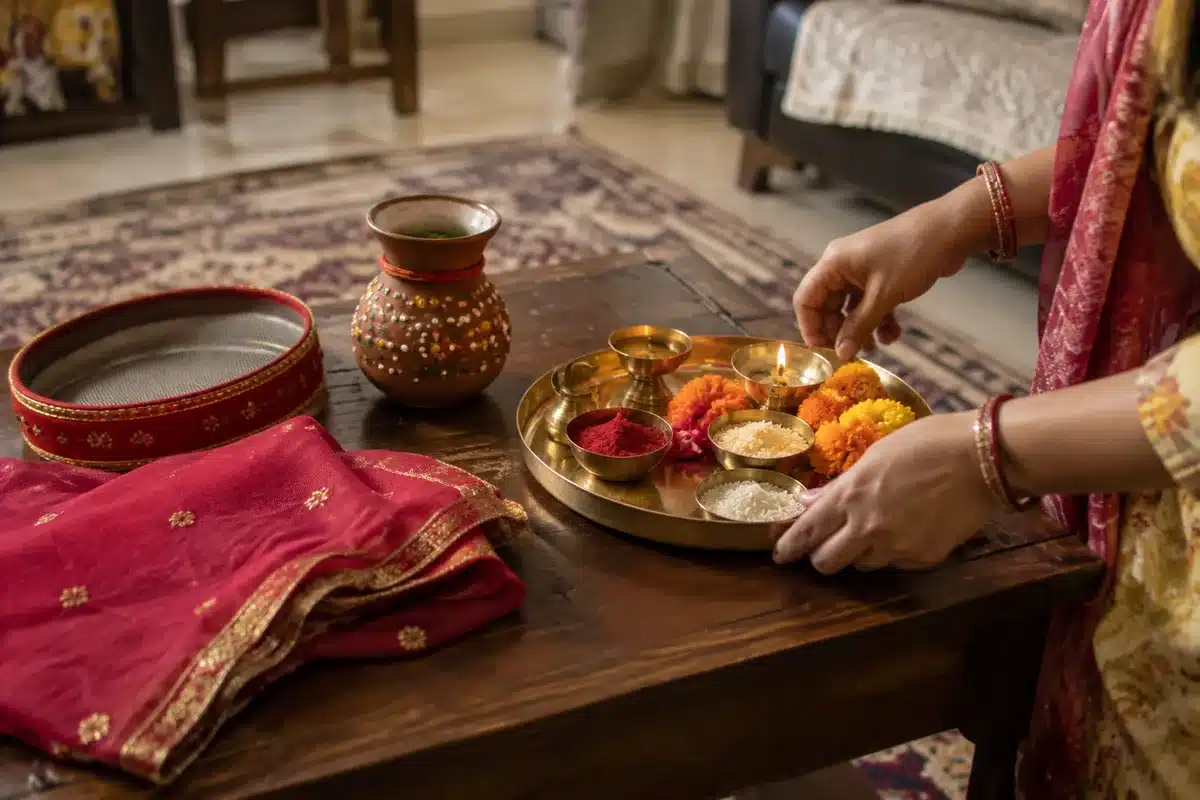
- Puja thali — a prepared tray for evening worship containing a clay lamp, incense, rice, kumkum and sweets.
- Jaali or sieve — used by many women to view the moon and then look at their husband through the mesh before the fast is broken.
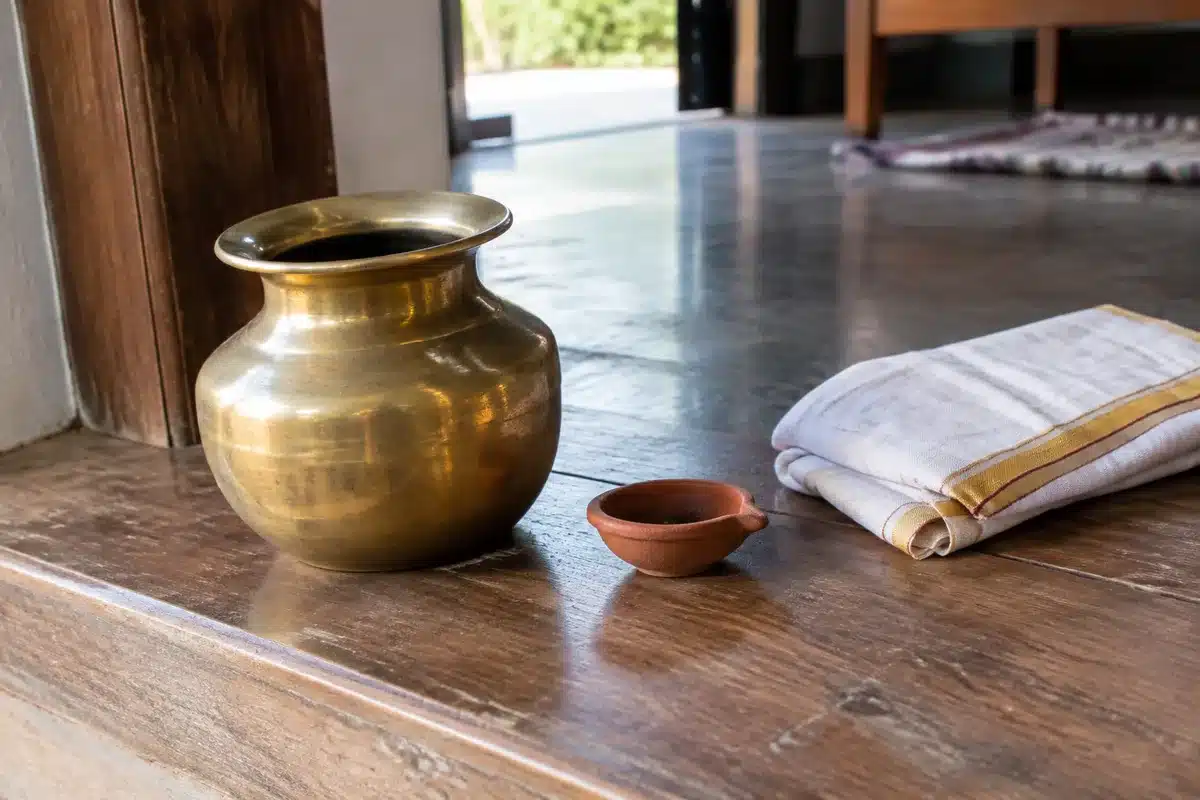
- Karwa — a small decorated clay pot sometimes exchanged as a symbol of the ritual.
After sunset, women typically step outside with their puja thalis, offer prayers, view the moon through a jaali or dupatta, and then accept water and a sweet from their husband or partner to conclude the fast. In many modern households the roles are flexible—men may participate in the fast or contribute to preparations as an act of solidarity.
Ritual meaning and origin stories
Several legends explain the festival’s origins. One popular narrative involves a queen who fasted for her husband’s life; a trick by her brothers led her to break the fast early, with tragic consequences, and divine intervention later restored her spouse when she repeated the vow. Another thread links the observance to prayers for soldiers’ safety or to stories in epic texts where female devotion prompts divine rescue.
These tales are typically recounted as lessons about resolve, devotion and the social recognition of a married woman’s place in her household—interpretations that shift with changing social norms.
Community and diaspora dynamics
For many South Asian families living outside India, Karwa Chauth functions as a cultural anchor. Small immigrant communities often turn the day into a shared calendar event—women swap gifts, gather for makeup and mani‑pedi sessions, sing devotional songs, and transform private ritual into collective support. Children may be fed earlier, pizza is sometimes ordered for younger family members, and living rooms become temporary temples.

These gatherings do practical work: easing isolation for new brides in joint-family settings, forging friendships among women of similar ages, and providing a social safety net where extended families are distant or divided by migration.
Items and their contemporary meanings
- Kheer, mithai and sargi: food items that honor bridal beauty rituals and provide sustenance for the long day.
- Decorative bangles, lipstick and dupatta: modern sargi often includes cosmetics and small gifts—symbols of care and continuity rather than mere ornamentation.
- Jaali and puja tools: while once improvised, these objects are now widely sold online, reflecting how commerce reshapes ritual material culture.
Modern critiques and personal readings
Public debate around Karwa Chauth has intensified: critics argue it reinforces gendered expectations, while defenders call for nuance and context. Many younger women and couples reinterpret the observance as a mutual commemorative act—less about obligation and more about reaffirming partnership.
In practice, households adopt varied stances. Some couples observe the fast together; others treat the day as an opportunity for mutual care. Families also adapt gift-giving—sargi may now include gift cards or modern accessories—demonstrating how rituals evolve without entirely losing their social purpose.
Religious traditions like Karwa Chauth are inherently plural: they carry different meanings in rural and urban settings, across regions and within diasporic communities. Viewing them through a single ideological lens flattens that diversity.
A personal note
For many first-generation diasporans, memories of the day are braided with film, family and migration. Popular movies have helped shape childhood impressions of the festival, while adult observance becomes an exercise in negotiation—between inherited customs and contemporary partnership models.
What remains consistent is the social function: the festival creates an occasion for women to gather, exchange support, and mark marital commitments in a visible way. Whether celebrated with a large family puja or a quiet evening at home, Karwa Chauth continues to adapt—reflecting changing gender relations, evolving rituals, and the persistent need for communal connection.
As rites like these are reexamined in public discourse, their staying power lies in flexibility: objects change, gifts modernize, roles shift, but the underlying intent—to express care for a partner and to renew bonds—largely endures.