Show summary Hide summary
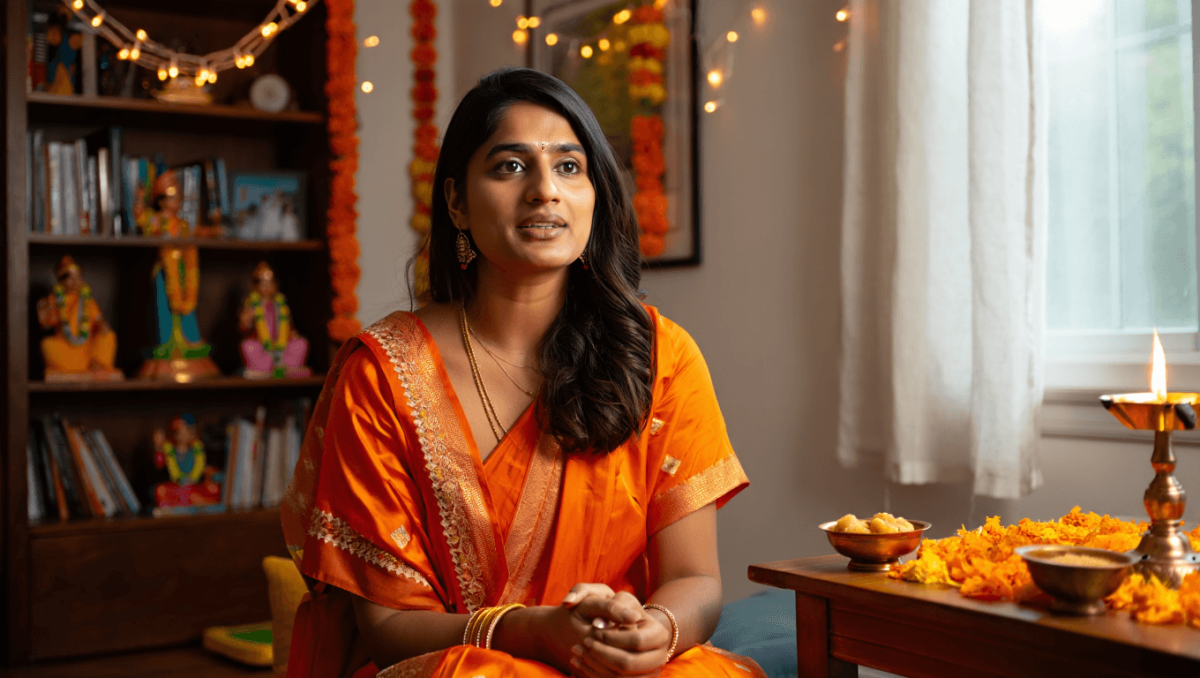
As debates over cultural representation and religious freedom surface across U.S. campuses and newsrooms, traditional Hindu festivals are being re-examined — sometimes contentiously. In a conversation about Navaratri and Dussehra, second-generation Marwari American Kavita Pallod describes how family rituals, community gatherings and advocacy efforts shape what these celebrations mean for Hindu Americans today.
Roots: home rituals and the pull of community
Pallod traces her earliest memories to modest household worship on Dussehra rather than the longer nine-night observance her Gujarati friends observed. That domestic practice carried a festive air and a sense that Diwali was approaching — a marker on the family calendar.
Annamalai applauds Bhagwat’s message on Muslim inclusion in India
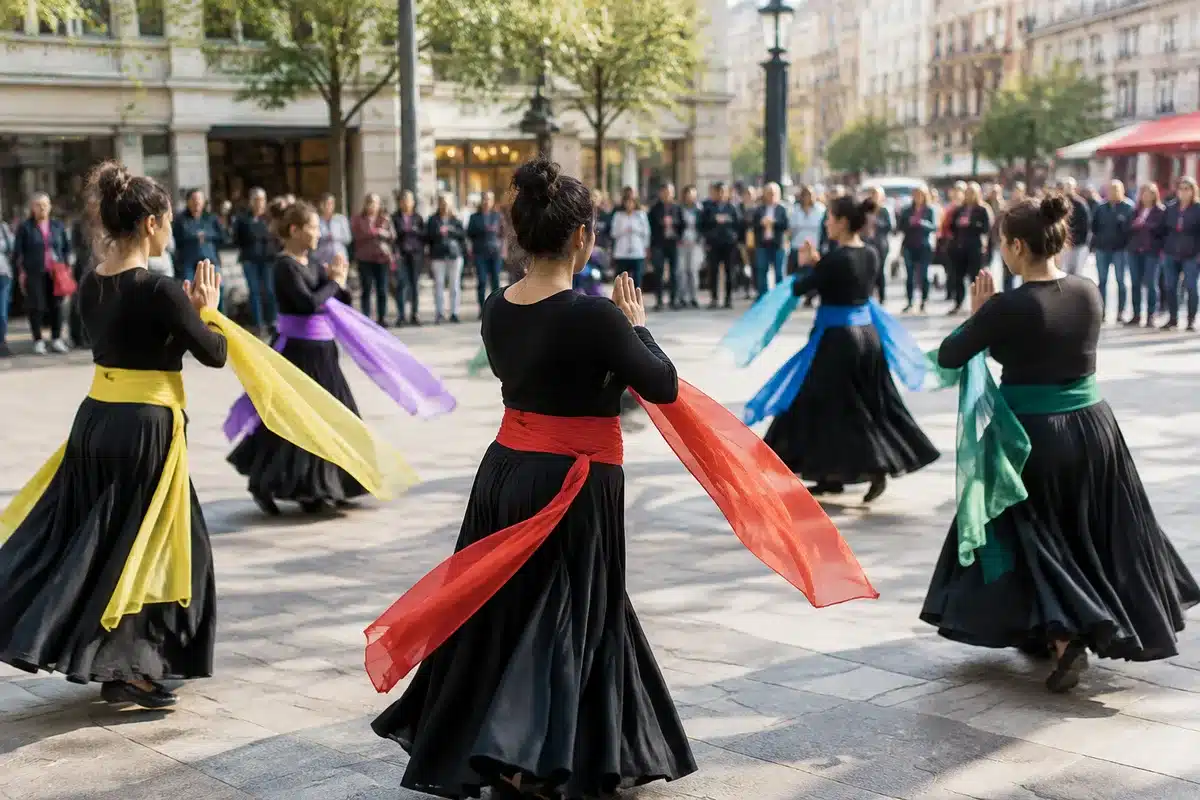
Navratri in Times Square goes viral: social media splits over Indian celebrations abroad
As she grew older, participation broadened. Friendships with Gujarati families brought her into public observance: evenings of garba, shared thanksgiving and a stronger sense of belonging. For Pallod, the most enduring aspect of the season is not a single ritual but the community that forms around it — especially important for children of immigrants who may feel culturally isolated in school or neighborhood life.
Family-specific customs: honoring the everyday
Some practices are deeply local or familial. Pallod describes a Maheshwari family custom of performing a vahana puja — a blessing for vehicles — on Dussehra. That ritual, she explains, connects to a wider theme in the festival: recognizing the instruments and supports that enable daily life, whether vehicles or kitchen vessels.
These observances are practical as well as symbolic: cleaning the home, wearing new clothes, preparing special foods and pausing to acknowledge the “vessels” that sustain a household are all woven into the holiday rhythm.
- Navaratri: nine nights honoring the feminine creative force, often celebrated with prayer, dance and fasting.
- Dussehra: the tenth day marking the defeat of evil — observed through puja, processions and local customs such as vahana blessings.
- Garba and community dancing: social gatherings that reinforce intergenerational ties.
- Household pujas: home-centered rituals that vary by region and family lineage.
Changing practice: parenthood, politics and the Feminine Divine
Parenthood has shifted Pallod’s approach. The large-scale cooking and weeks-long preparations she remembered from childhood have given way to a quieter emphasis on explanation and education for her own children. Rather than reproduce every outward ritual, she focuses on storytelling and reading together to transmit meaning.
She also points to how contemporary events can reshape religious observance. For her, the 2020 election — and the elevation of the first female U.S. vice president — became a modern echo of Navaratri’s celebration of feminine strength and leadership. That blending of civic and spiritual significance illustrates how traditions adapt to new contexts.
Pressure points in the U.S. context
Growing up, Pallod sometimes felt alone in her faith; few peers understood the festivals or their significance. Today the terrain is more complex. Public conversations have interrogated certain rituals and portrayals as discriminatory, and that critique can make families feel their practices are under attack rather than open to dialogue.
Her response is pragmatic: festivals are living practices that evolve, and communities continue to negotiate what they represent. The stakes go beyond ritual detail — they touch on whether Hindu Americans can celebrate openly without being mischaracterized.
Advocacy and community support
Pallod credits civic organizations for helping Hindu families assert their right to practice without unfair distortion. She says groups that provide legal support, school outreach and public education have made it easier for students and parents to stand by their faith in public spaces.
That support, in her view, has both immediate and long-term consequences: it reduces the anxiety families feel about religious expression and helps sustain cultural continuity for the next generation.
Looking ahead
Pallod’s wish for her children is straightforward: the freedom to observe Hindu festivals without fear of misrepresentation. She also wants them to inherit an understanding of the festivals’ moral and spiritual themes — courage, devotion, and the balancing power of the feminine principle, often described in Hindu texts as Shakti.
Watching organizations and grassroots networks grow gives her cautious optimism. As social expectations and political debates shift, she believes sustained civic engagement and clear public education are necessary to preserve the right to celebrate, in ways that feel authentic to each family and community.
In Pallod’s account, Navaratri and Dussehra are not fixed relics; they are adaptive practices that bind families, teach values, and — when protected by informed advocacy — remain visible parts of American religious life.