
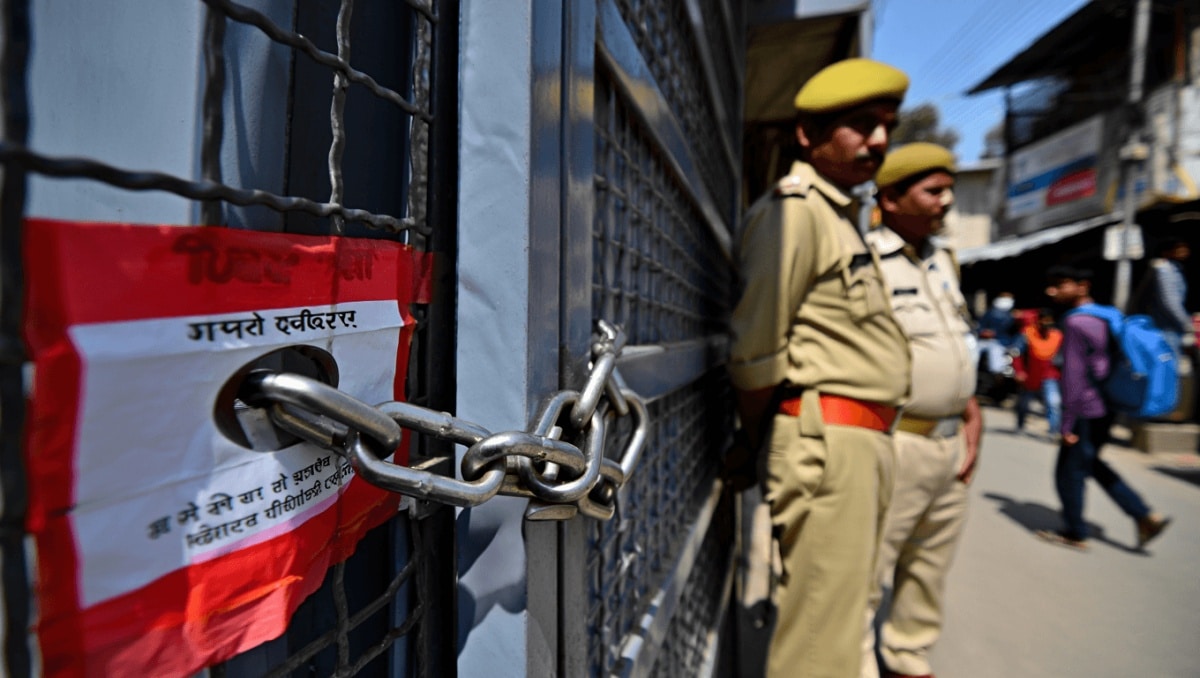
Mirzapur police have charged 10 people under the state’s tough anti-gangster law after an investigation into an alleged campaign that used local gyms to pressure women into converting religion. Authorities sealed the fitness centres on Monday and say the case raises fresh questions about exploitation, digital blackmail and the misuse of community spaces.
According to police, the case was formally registered on January 19 at Dehat Kotwali and names multiple offences under the new Bharatiya Nyaya Sanhita, the Uttar Pradesh Prohibition of Unlawful Conversion of Religion Act and provisions of the IT Act. Ten suspects — including the man identified by investigators as the alleged ringleader, Imran Khan — were arrested between January and February and remanded to jail; a chargesheet has now been filed.
Investigators say the group targeted women who attended several gyms, offering training and personal attention that allegedly masked a wider scheme. The probe alleges the suspects formed personal relationships, created explicit images and recordings to threaten victims, demanded money and used coercion to force conversions. Police estimate the number of potential victims could exceed 50.
Annamalai applauds Bhagwat’s message on Muslim inclusion in India
Navratri in Times Square goes viral: social media splits over Indian celebrations abroad
Key facts in the Mirzapur gym case
- Case registration: January 19 at Dehat Kotwali, Mirzapur.
- Primary statutes invoked: Bharatiya Nyaya Sanhita, state anti-conversion law, IT Act.
- Criminal control measure used: case filed under Section 3(1) of the UP Gangsters and Anti-Social Activities (Prevention) Act.
- Arrests: 10 accused, including the alleged leader, detained and jailed between January–February.
- Estimated scope: investigators suspect more than 50 women may have been affected.
- Immediate actions: gyms sealed; police to trace assets and begin confiscation proceedings under the Gangster Act.
Senior police officials describe the alleged crimes as financially and materially motivated, with digital evidence playing a central role. The invocation of the UP Gangsters Act signals a shift toward stronger enforcement powers — including the prospect of seizing property believed to be acquired through criminal proceeds.
The case touches on several current concerns: how private and digital spaces can be used to exploit trust, the intersection of gender and communal sensitivities in criminal investigations, and the way new legal frameworks are applied on the ground. For residents and local institutions, the allegations have already prompted scrutiny of how fitness centres operate and whom they allow to represent themselves as trainers or mentors.
Police say the probe is ongoing. Investigators will examine financial records, communications and other material seized during raids as they build the prosecution file and identify assets linked to the alleged operation. The accused remain in custody while further legal steps proceed.