
Show summary Hide summary
This festival season, Hindu communities across the United States are navigating celebration, identity and civic recognition in new ways — from neighborhood pujas to large public events that draw thousands. For Bhuwan Pyakurel, a former Bhutanese refugee and current Reynoldsburg, Ohio city councillor, those observances connect memory, family ties and a broader push for visibility and education about Hindu traditions.
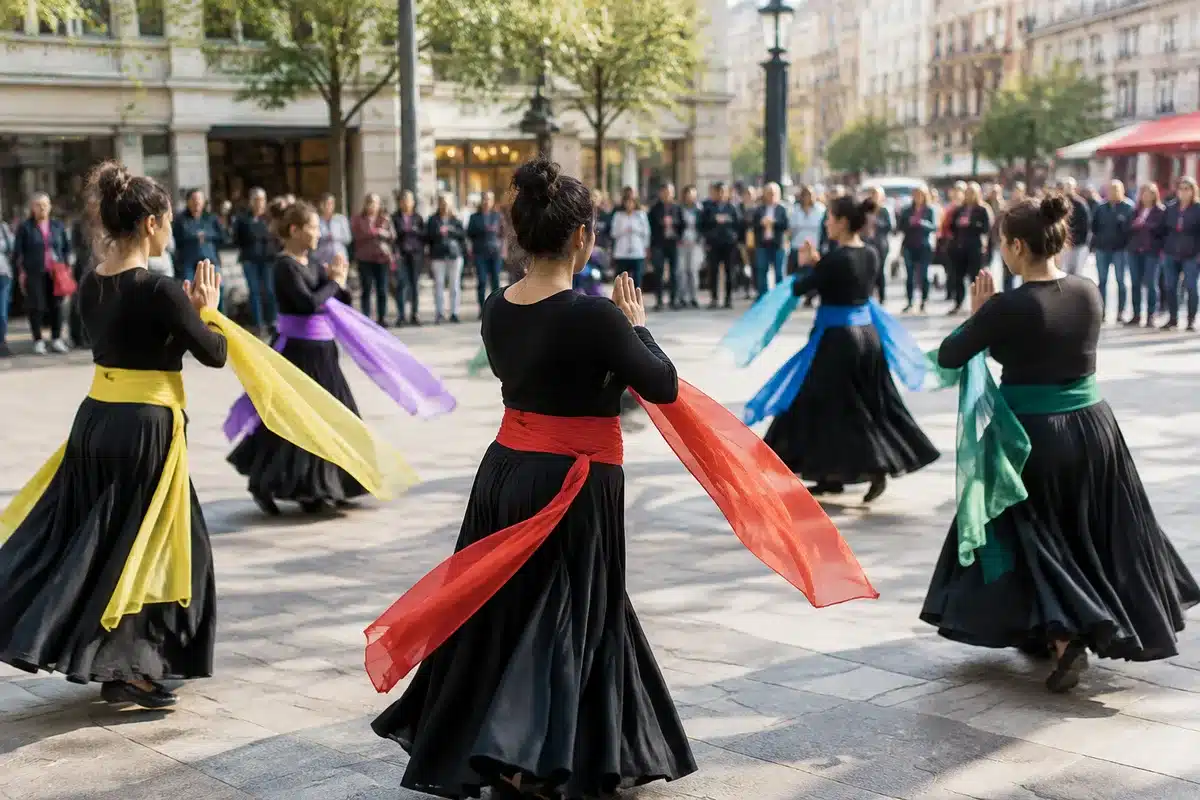
Hindu scriptures present the Divine as containing both masculine and feminine principles; the creative, dynamic energy of the feminine is often called Shakti. That force is honored during Navaratri, a nine-night period culminating in Vijayadashami (Dussehra), when devotees mark the triumph of good over evil in various forms — including the story of Rama and Sita.
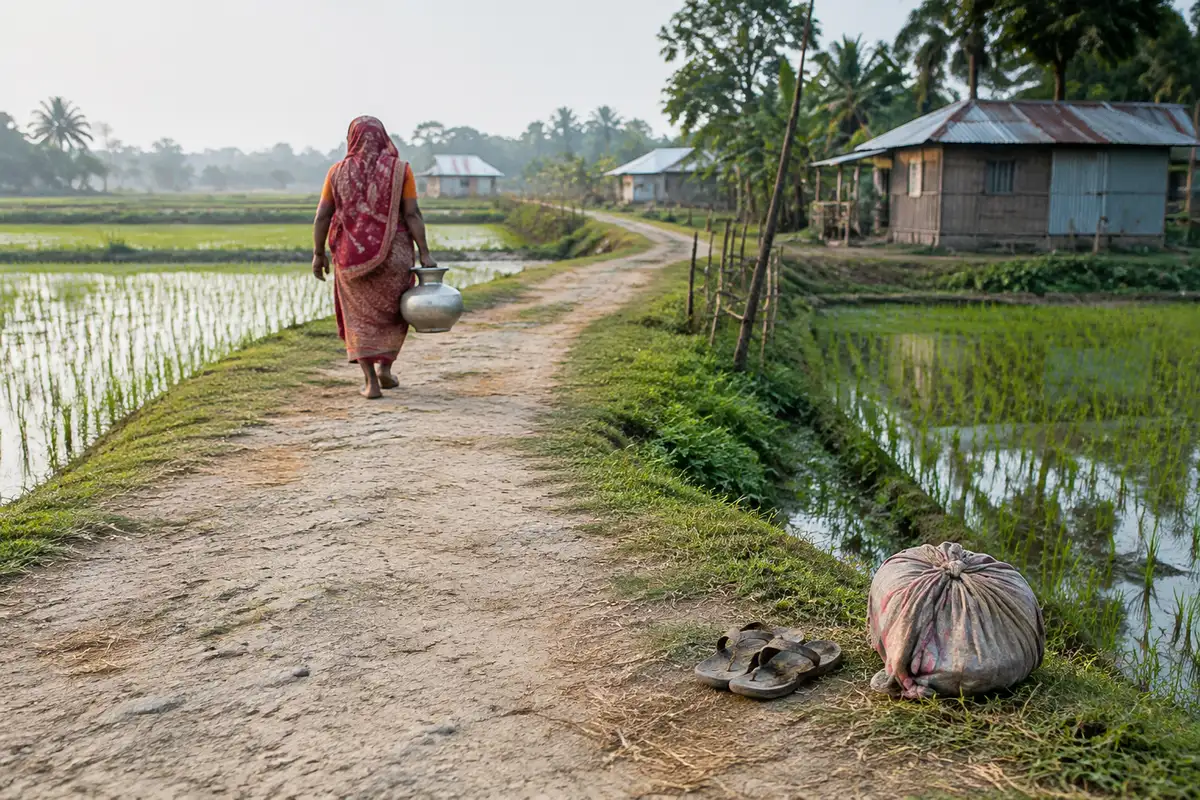
Pyakurel traces his earliest memories of these festivals back to Bhutan, where Dashain and Tihar were community anchors. Villagers gathered for recitations of sacred texts, animals were respectfully sheltered, and families traveled to elders’ homes to receive blessings and share meals. Those rituals, he says, were more than ceremony: they reinforced family bonds and marked the year’s passage.
Annamalai applauds Bhagwat’s message on Muslim inclusion in India
Navratri in Times Square goes viral: social media splits over Indian celebrations abroad
Keeping traditions alive in a new country
In the United States Pyakurel has tried to preserve those rhythms while adapting to American schedules and institutions. He describes Dashain — the equivalent of Dussehra in his upbringing — as the year’s most important festival, when elders place tika and jamara on younger relatives as symbols of blessing and longevity.
“Receiving those blessings is the most important part of the year,” he explains, speaking about how the gatherings provide time to exchange stories of hardship and success. Even with work and school commitments, families make time to reconnect during the festival period.
From small city observances to major public events
Since his election in 2020, Pyakurel has worked to bring Hindu observances into civic life. What began as a modest Diwali event at City Hall — including the presence of community pandits and a formal resolution recognizing Diwali — has grown rapidly. A post-pandemic gathering drew roughly 6,000 attendees in a public park; organizers are now anticipating crowds approaching 10,000, including Bhutanese Americans from several Midwestern states.
That growth, he says, reflects both gratitude and the unusual trajectory of his community: once denied the right to practice their faith openly in Bhutan and displaced for years in Nepalese refugee camps, many Bhutanese Americans now see public celebration as a reclaimed freedom.
- Cultural rituals: Recitation of sacred texts and traditional puja practices carried from Bhutan to the U.S.
- Family ties: Elders grant tika and jamara as blessings that strengthen intergenerational bonds.
- Civic recognition: Local resolutions and city-sponsored events have elevated visibility for Hindu festivals.
- Practical challenges: Work schedules, school calendars and pandemic disruptions complicate participation.
Advocacy and education: the role of HAF
Pyakurel credits the Hindu American Foundation (HAF) with providing useful research and resources that supported his efforts to secure a Diwali recognition resolution. He follows HAF’s nationwide advocacy, including campaigns against discriminatory legislation and public education initiatives.
At the same time, he urges broader outreach to communities like the Bhutanese diaspora. “Hinduism includes people from many countries,” he says, noting that some Americans still conflate Hindu identity with Indian origin. For Pyakurel, HAF has the platform to bridge those gaps — both through policy work and by helping Hindus better understand their scriptures and philosophies.
He frames this not only as a political project but as a cultural and educational one: greater familiarity with core teachings can strengthen community cohesion and public understanding.
Looking ahead
Pyakurel speaks from experience shaped by displacement and eventual resettlement in the United States. He recounts living in refugee camps for nearly two decades and contrasts that past with the opportunities he’s found here. That perspective fuels an optimistic view of what organized advocacy and civic engagement can achieve.
For him, the priorities are practical and cultural: expand advocacy efforts, deepen religious literacy within Hindu communities, and make it unmistakably clear that Hindu identity is global. He sees HAF as poised to play a central part in that work — uniting diverse Hindu populations and helping them claim space in public life.
As celebrations continue to evolve in the U.S., Pyakurel’s story underscores a larger dynamic: festivals remain a vital vehicle for memory, belonging and civic participation, especially for communities rebuilding after displacement.