Show summary Hide summary
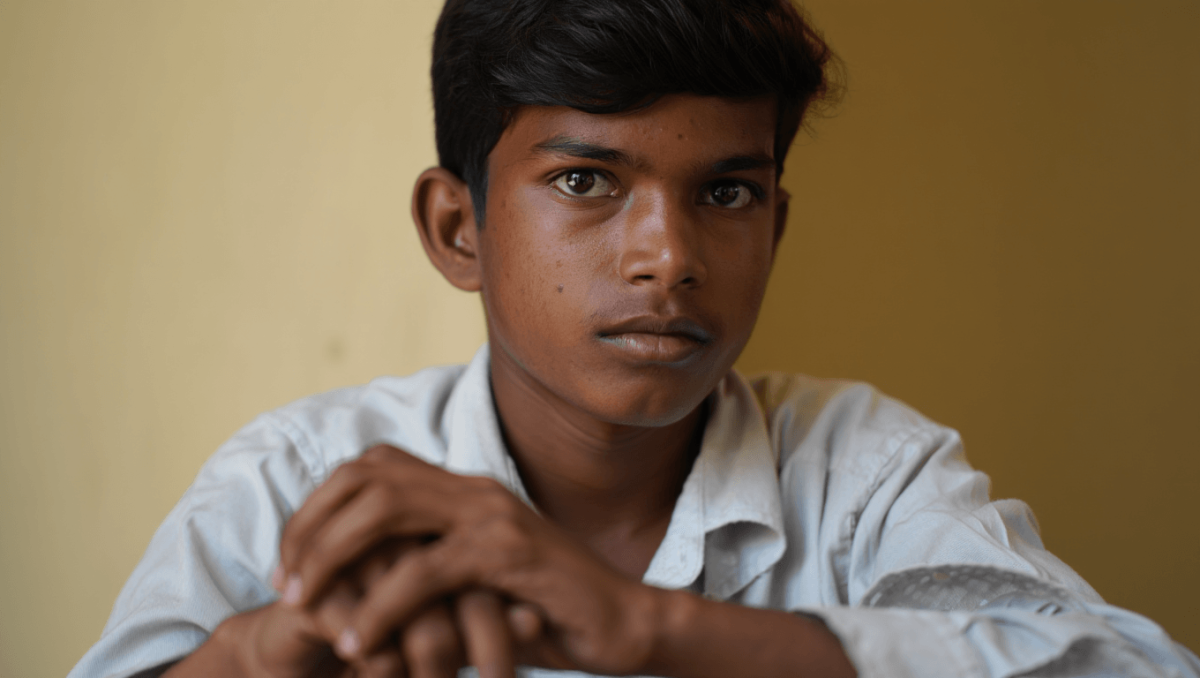
At 19, a young man who grew up in a devout Hindu household says he was steered toward Islam by peers and pressured into declaring faith during a mosque visit — a choice he now questions. His account, shared anonymously in a recent podcast transcript, underscores how online influence, social belonging and rushed decisions can erase parts of a person’s identity and leave lasting fallout.
A childhood of ritual without answers
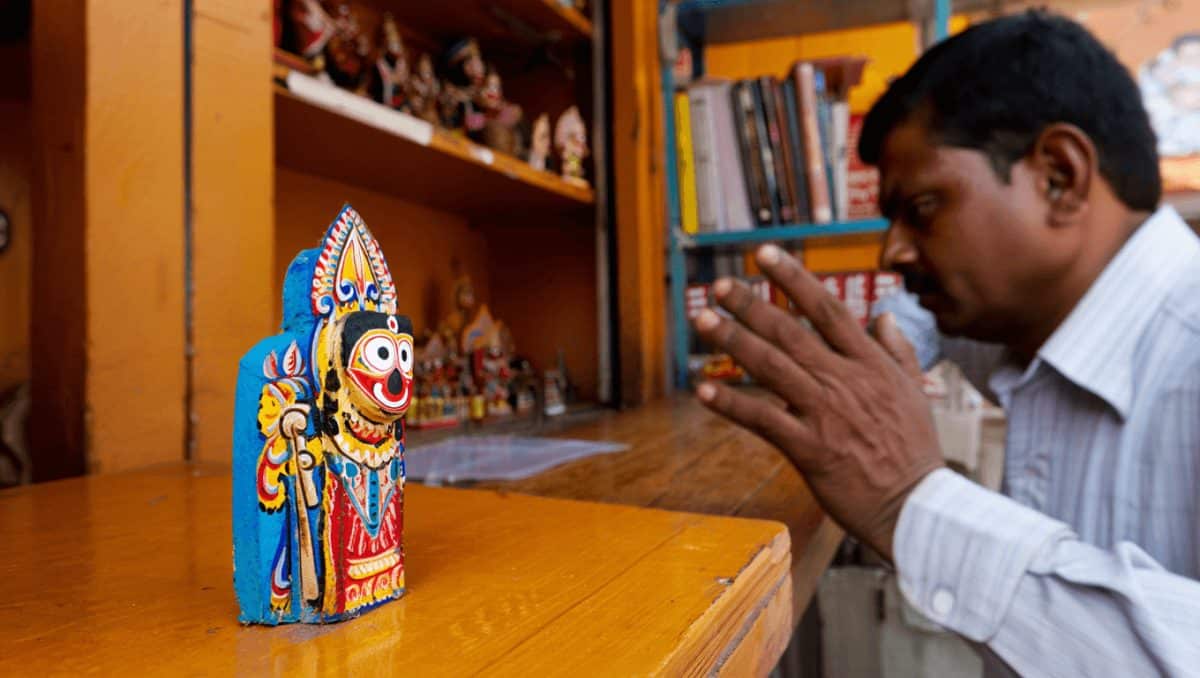
Raised in a family that observed daily worship and regular temple visits, he describes early religious life as practice without explanation. The routines were familiar and comforting, but he never learned the reasoning behind them — a gap that left him vulnerable when doubts surfaced in late adolescence.
Shah Rukh Khan used the name Abinav to ease in-law worries: Gauri adopted Ayesha during nikaah
Javed Akhtar hails Hindu festivals as cultural glue: throwback of atheist celebrating resurfaces
That uncertainty grew as he encountered friends who were actively practicing another faith. They shared videos and discussions that compared religious ideas and presented a tightly argued case for strict monotheism. For someone seeking intellectual coherence, the arguments felt persuasive.
A rushed conversion, and the moment it changed
He says the encounter that finalized his shift came when a friend invited him to a mosque one evening. Although he told them he wasn’t ready to convert, the visit turned unexpectedly intense: community members assembled and urged him to recite the shahada, the declaration that formally marks conversion to Islam.
Feeling cornered and uncertain, he complied. Afterwards he felt publicly spotlighted — introduced to others as a “Hindu convert” — and later came to view the event as coerced rather than freely chosen. The mismatch between what his mind accepted and what his heart felt left him unsettled.
Backlash, isolation and a search for perspective
When he announced he needed time to reflect, the response from the Muslim community that welcomed him turned hostile. Friends called him brainwashed and accused him of betrayal; online messages escalated to harassment and death threats.
At the same time he found an unexpected interlocutor on social media: a young person who presented alternative readings of Hindu tradition and the concept of Sanatana Dharma. Those conversations prompted him to reassess whether his conversion had been guided by understanding or by social pressure.
- Key influences that shaped his decision:
- Repeated exposure to comparative-religion material from trusted peers.
- Urgent messaging that framed conversion as timely and necessary.
- A social environment in which the other faith community felt more organized and engaged.
- A lack of accessible, explanatory guidance about his own tradition.
- Consequences he experienced:
- Feeling publicly displayed as an emblem of conversion.
- Social rejection and online harassment after expressing doubts.
- A sense that his cultural and spiritual identity had been forcibly erased.
He emphasizes that his decision to speak out anonymously is not an attempt to cast blame but to warn others: the path from questioning to irreversible action can be short when emotional vulnerability meets targeted persuasion.
Practical advice he offers
Addressing young people who may be doubting their beliefs, he urges careful reflection and slower steps. Don’t let urgent appeals push you into life-defining choices. Seek multiple viewpoints and develop a trusted circle that encourages both mind and heart to speak.
- For young people:
- Ask honest questions and insist on answers you can understand — not slogans or soundbites.
- Delay irreversible rituals until you’re certain, and involve mentors you trust.
- Keep a diverse social network so no single group has outsized sway over your choices.
- For Hindu American parents:
- Create open lines of communication so children feel safe raising doubts.
- Explain the purpose behind practices and rituals rather than treating them as rote obligations.
- Teach basic pillars of identity and tradition so young people can evaluate outside claims with context.
His story highlights a larger, timely issue: in tightly connected social spheres, persuasive ideas spread quickly and the pressure to conform can be intense — especially for teenagers and young adults navigating identity in minority communities. For readers, the stakes are concrete: when faith, belonging and public identity intersect, choices made in haste can carry emotional and social consequences that last far beyond a single moment.
He is no longer in contact with the friends involved and says the threats have stopped; he feels safe today but unsettled about what he lost. Speaking anonymously, he hopes his experience will help others pause before acting and encourage families and communities to build better conversations around faith and identity.