Show summary Hide summary
Across Hindu traditions, rites called samskaras mark the major turns of life—from birth and initiation to marriage and death—and remain central to debates about cultural continuity and personal identity today. Ancient legal and ritual texts describe dozens of such ceremonies; understanding what they signify helps explain how communities balance spiritual aims, social order and modern pressures.
Origins and layers of meaning
The term itself carries more than one register. Etymologically, the Sanskrit roots point to the idea of “making well”—an act of refinement or purification. At the same time, classical logical literature (the Tarka-tradition) treats samskaras as persistent impressions or traces in the mind.
Annamalai applauds Bhagwat’s message on Muslim inclusion in India
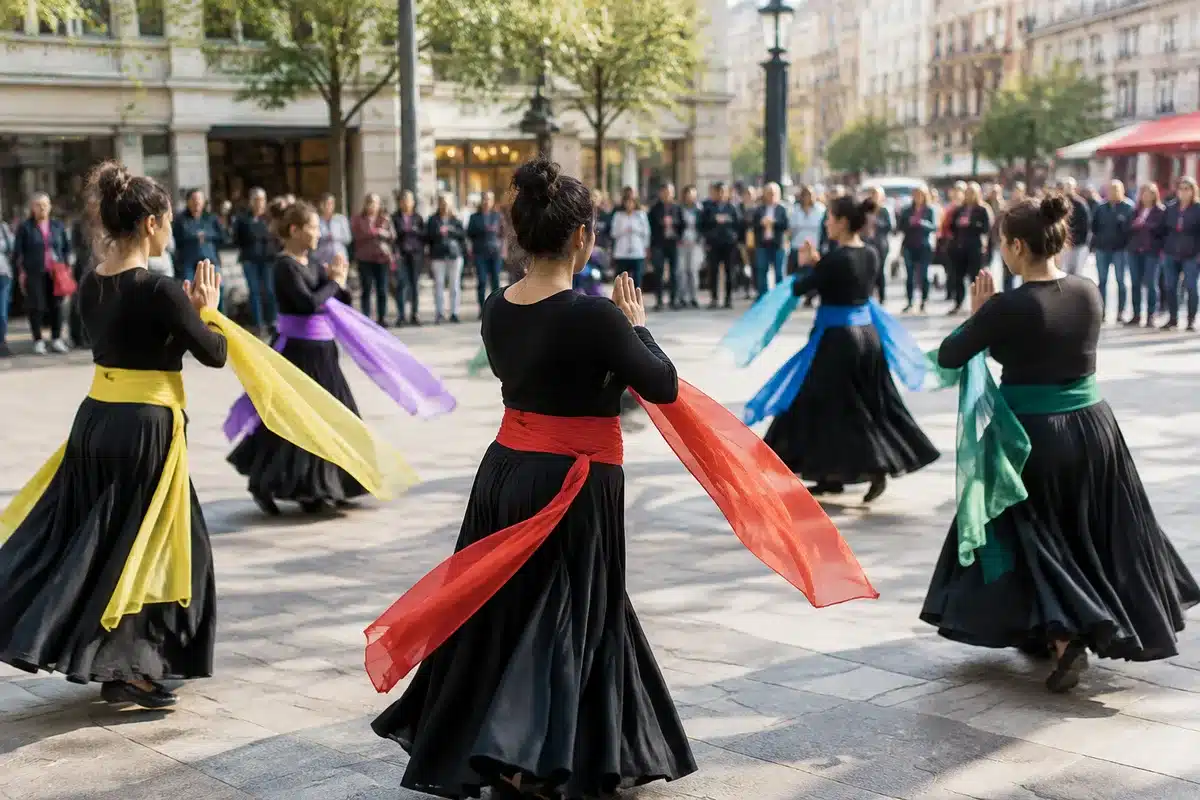
Navratri in Times Square goes viral: social media splits over Indian celebrations abroad
These twin meanings—ritual transformation and inner disposition—shape how scholars and practitioners interpret the practices. In ritual manuals the emphasis is on external ceremonies that prepare a person for specific social and spiritual roles; in philosophical contexts the emphasis is inward, on the residual impressions that influence future behavior.
What the ritual texts prescribe
Collections known as dharmashastras and ritual compendia draw on procedural texts called the Kalpa-sutras to compile lists of rites. Some authorities enumerate as many as forty distinct samskaras, while other traditions focus on a smaller core set that mark key life transitions.
These texts present the samskaras as techniques to shape the individual’s life course and, in religious terms, to make the person fit for union with the supreme self or ultimate reality.
The content and emphasis vary across regions, communities and historical periods; what appears in a ritual manual from one school may be absent or transformed in another.
- Early life: ceremonies around birth, naming, first feeding and first haircut that introduce a child into family and society.
- Initiation: rites of learning and social responsibility, including formal study and canonical initiations.
- Householder milestones: marriage and household rituals that reorganize social duties.
- Terminal rites: death and memorial practices intended to guide the departed and sustain family obligations.
How these rites function in practice
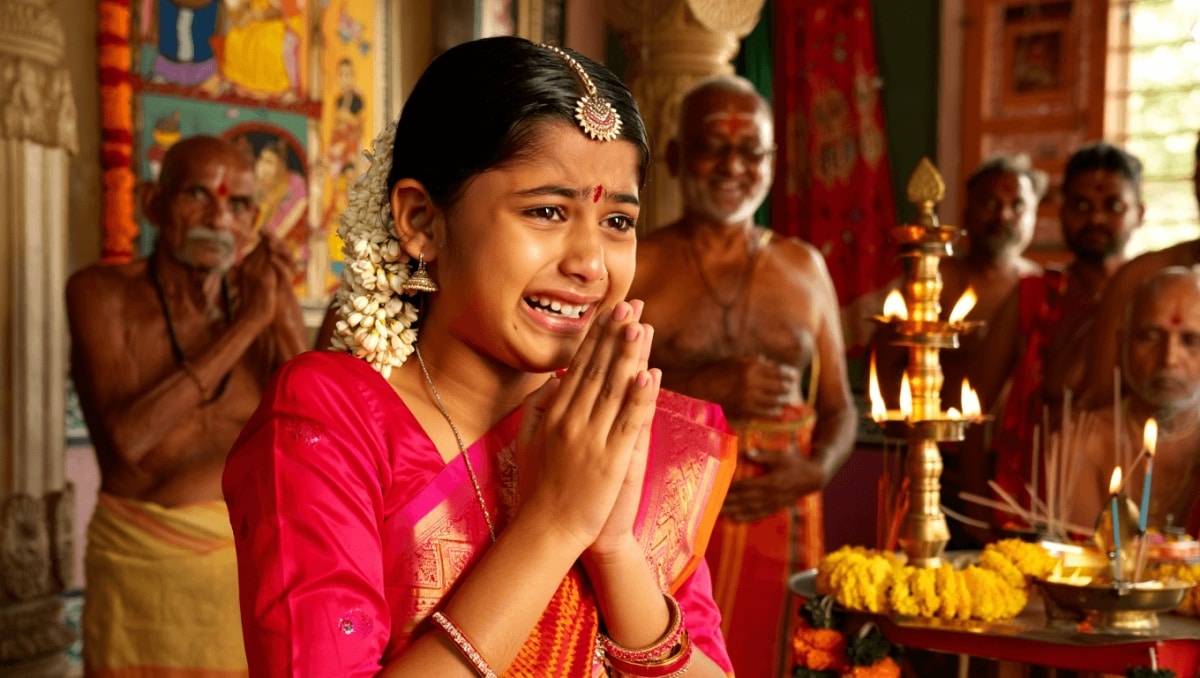
In everyday terms, samskaras structure communal life. They assign roles, transmit values, and provide a publicly recognized pathway through which individuals move from one social status to another. Even when the symbolic language shifts—when ceremonies are shortened, adapted or reinterpreted—the underlying function of marking transition often remains.
For many people, the rites are less about strict dogma than about continuity: they connect personal biography to family history and to a larger cultural narrative.
At the same time, living traditions negotiate these prescriptions. Urbanization, legal reforms, the diaspora experience and changing family patterns have all influenced which rites are observed and how they are performed.
Why this matters now
Debates over samskaras intersect with contemporary issues: religious freedom, cultural heritage, gender roles and the role of ritual in secular societies. Courts, community leaders and families regularly face questions about which customs are essential and which are optional adaptations.
Understanding both the ritual and the philosophical senses of samskara helps clarify those debates. It also shows why ritual practice can seem at once deeply conservative and strikingly adaptable: the ceremonies anchor identity while allowing communities to reinterpret procedures for new circumstances.
For readers curious about living religions, the takeaway is that these rites are not merely archaic prescriptions but active frameworks through which people negotiate moral duty, social belonging and spiritual aspiration.