Show summary Hide summary
Jambur, a small settlement on Gujarat’s Saurashtra coast, draws attention for a living connection to Africa that survives in music, appearance and memory. Understanding the village and its inhabitants matters now as scholars, creatives and policymakers grapple with how to preserve distinctive cultural legacies while addressing long-standing social and economic exclusion.
Where the story begins
The people of Jambur belong to the Siddi community, a group whose roots reach back across the Indian Ocean to East Africa. Over centuries, sailors, soldiers and servants moved between Africa and South Asia; some arrived under colonial-era traffics, others as migrants or mercenaries. Whatever the precise routes, the result was a community that has blended African ancestry with local languages, faiths and customs.
Annamalai applauds Bhagwat’s message on Muslim inclusion in India
Navratri in Times Square goes viral: social media splits over Indian celebrations abroad
The village’s nickname as an “African” hamlet reflects visible traits—skin tone, facial features, and particularly the rhythms and dances that are distinct from neighboring Gujarati villages. Residents today speak Gujarati and follow regional religious practices, yet elements of African-derived performance and oral history remain integral to community life.
Music, memory and everyday culture
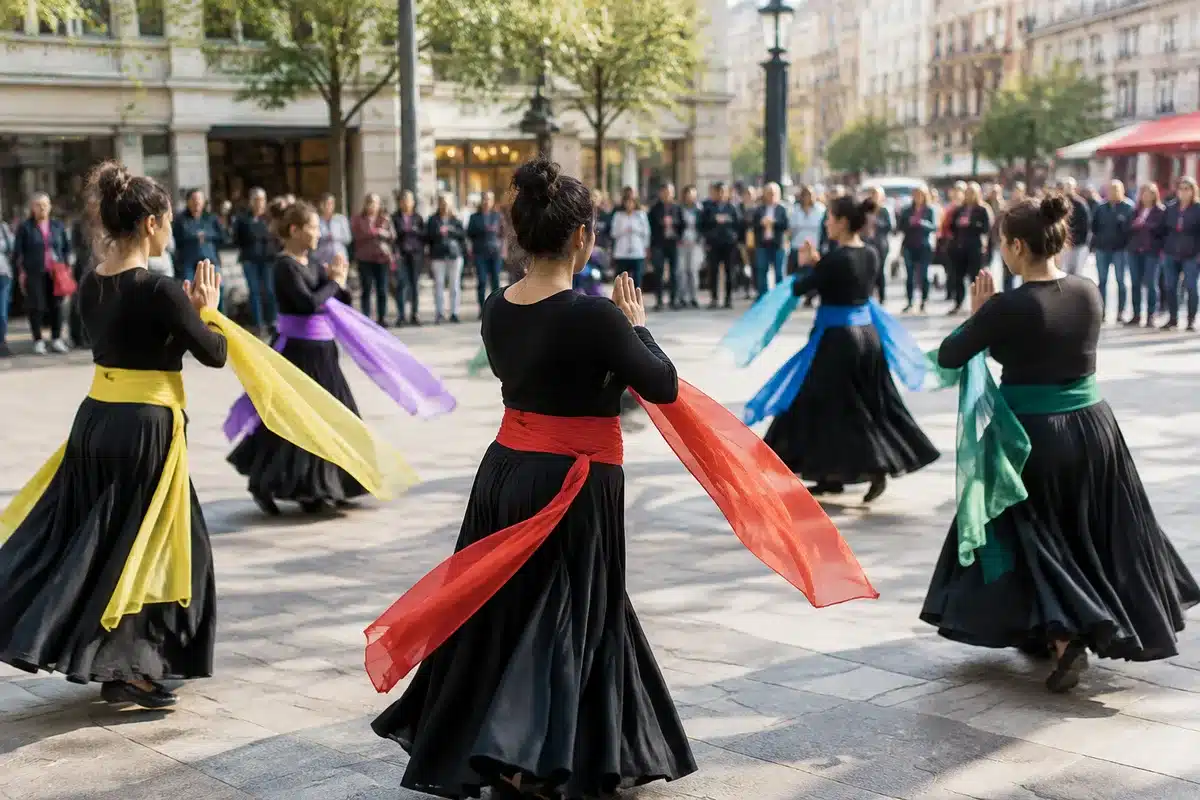
Music acts as Jambur’s most recognisable cultural thread. Villagers keep alive percussive traditions and call-and-response singing that echo broader African patterns while incorporating local instruments and melodies. These performances turn up at weddings, religious events and seasonal gatherings, sustaining a sense of identity that is both local and transoceanic.
Beyond visible traditions, family stories and naming practices preserve links to a distant homeland. Younger generations often navigate a dual identity: proudly Siddi, and simultaneously part of Gujarat’s social fabric. That balancing act shapes choices on education, migration and marriage.
- Location: Jambur is in Gujarat’s Saurashtra region, near protected forest and wildlife areas.
- Heritage: The Siddi trace descent to East African ancestors who arrived across the Indian Ocean over several centuries.
- Culture: Strong emphasis on percussion-based music and communal song, blended with local customs.
- Language: Gujarati and local dialects are the primary spoken languages today.
- Contemporary issues: Economic marginalization, limited access to services, and cultural preservation are ongoing concerns.
Politics, policy and preservation
Jambur’s situation raises practical questions about inclusion. Cultural visibility has brought outsiders—documentary filmmakers, ethnomusicologists and tourists—whose interest can help preserve traditions but also risks turning rituals into spectacles. At the same time, residents face everyday gaps in employment, education and infrastructure that demand policy attention rather than only cultural celebration.
Recognition of the Siddi identity has implications for affirmative action and social support programs across states where the community lives. Activists argue that preserving intangible heritage—music, language and oral history—should be paired with investments that improve livelihoods, rather than treated as an exotic sideshow.
Why this matters now
Global conversations about migration, identity and reparative justice make Jambur more than a local curiosity: it is a living case study of how cross‑ocean histories are embedded in modern societies. Protecting the village’s traditions while tackling socioeconomic exclusion would keep those histories alive on the community’s terms.
As interest grows, the challenge for policymakers, researchers and citizens is to support community-led preservation, ensure tangible benefits for residents, and avoid simplifications that obscure complex histories. Jambur’s story speaks to the broader question of how nations recognize and integrate minority heritages into the mainstream without erasing their autonomy.