Show summary Hide summary
Keerthy Suresh has moved to clarify a recent misunderstanding over remarks made by Radhika Apte about the South Indian custom known as Muraimaaman. The actor says she initially misunderstood Apte’s point, then offered context about the practice’s regional variations and stressed the need for respectful dialogue.
How the confusion unfolded
The exchange began after Apte spoke about Muraimaaman in a public setting; her comments attracted attention and prompted varied reactions across social media. Keerthy — who watched the conversation unfold — acknowledged she “didn’t understand” Apte’s perspective at first and later sought to explain the tradition rather than amplify disagreement.
EC has no voter breakdown by religion, UP CEO says: Yogi and Akhilesh trade barbs
Keerthy Suresh says she misinterpreted Radhika Apte’s muraimaaman comments: urges cultural respect

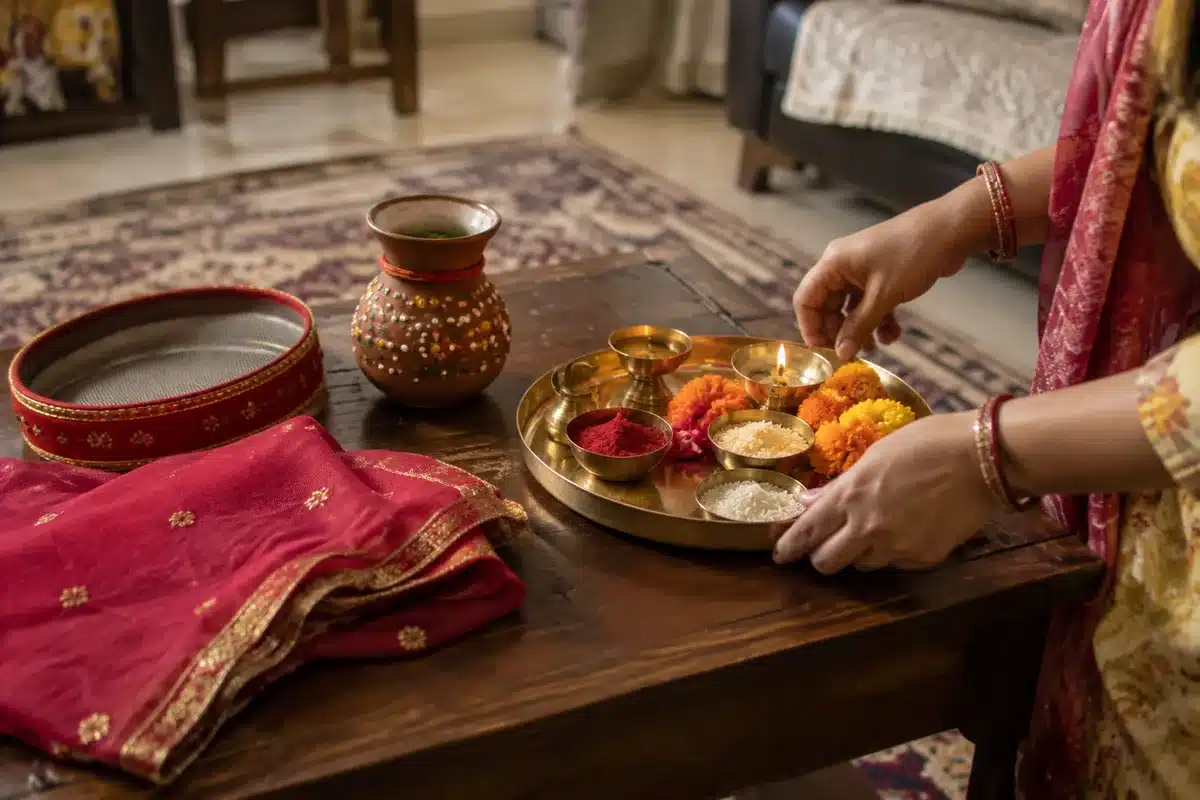
In follow-up remarks, Keerthy described Muraimaaman as a ceremony with different expressions depending on local customs and community practices. She framed her response around the importance of contextualizing cultural rites before forming judgments.
Key points Keerthy emphasized
- That practices labelled under the single name Muraimaaman are not uniform across South India.
- The risk of misinterpretation when complex traditions are discussed briefly in public forums.
- The value of respect and careful explanation when public figures comment on cultural topics.
| Date | Event | Outcome |
|---|---|---|
| Mid-November 2026 | Radhika Apte makes remarks about Muraimaaman | Widespread online discussion; varied interpretations |
| Late November 2026 | Keerthy Suresh comments on the misunderstanding | Clarification offered; call for contextual conversation |
| November 20, 2026 | Keerthy’s film release — Sathyavan Savithri | Public attention on the actor increases amid the debate |
Why this matters now
Celebrity remarks on cultural practices can quickly shape public debate. When an actor’s statement is misread, the conversation often shifts away from the substance of the tradition and toward personalities and outrage.
This episode highlights two practical concerns: the need for public figures to provide context when discussing culturally specific rituals, and the responsibility of news consumers to seek fuller explanations before amplifying controversy. Both points bear on how communities perceive and protect intangible cultural heritage.
For readers following regional culture or South Indian cinema, the timing also matters: Keerthy’s clarification coincides with the release of Sathyavan Savithri on November 20, which brings additional attention to her public remarks and the broader discussion.
What to watch next
Expect further commentary from cultural commentators and the film industry in the days around the release. Conversations that move beyond soundbites and examine local histories and variations of Muraimaaman are likely to be more constructive than those that focus solely on dispute.