Show summary Hide summary
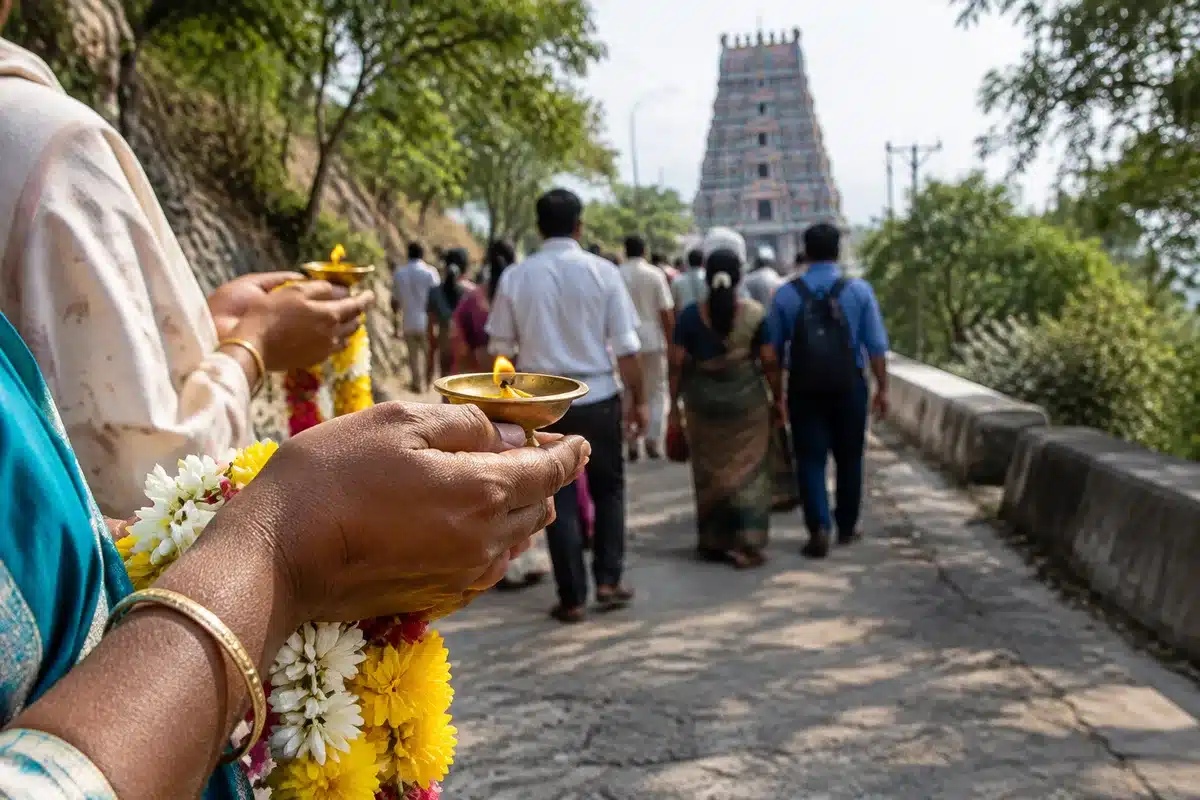
This winter brings the best weather for a classic Tamil pilgrimage: the six principal shrines of Murugan — the Aarupadai Veedu — are dispersed across the state and draw devotees and travellers alike. With Thaipusam on 22 January 2027 and Panguni Uthiram in March, now is a practical moment to plan a multi-day circuit that combines legend, landscape and accessible temple culture.
Why these six matter
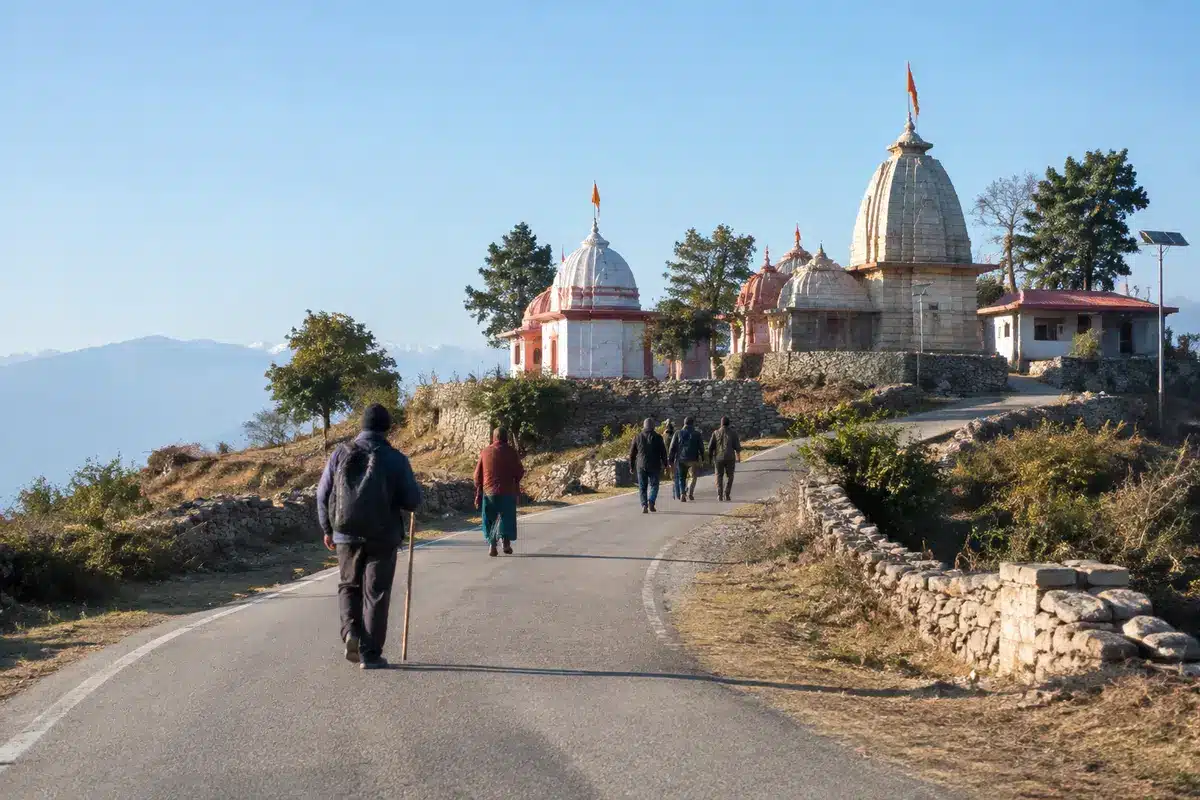
Murugan, worshipped across Tamil Nadu as the youthful commander of the gods and the holder of the vel, is woven into the region’s geography through six temples that anchor different episodes of his life: birth, battle, two marriages, a renunciation and a moment of teaching. The shrines are not clustered; they form a travelling devotion that historically inspired poets and still sets the rhythm for many pilgrimages today.
Murugan pilgrimage: what to know before visiting the six hill shrines on the Arupadai Veedu
Pakistan: rising attacks erode religious freedom and put young girls at risk
The six abodes at a glance
| Abode | Where | Why it matters |
|---|---|---|
| Thiruparankundram | Hill near Madurai | Celebrated as the site of Murugan’s marriage to Deivanai; early rock-cut shrine with Sangam associations. |
| Tiruchendur | Seaside, Tuticorin district | Scene of the final battle with the asura Surapadman; unique beach-front temple and Soorasamharam re-enactments. |
| Palani | Dindigul district, western hills | The renunciate hill where Murugan lived as Dhandayuthapani after the fruit-of-knowledge quarrel; major pilgrimage hub. |
| Swamimalai | Near Kumbakonam, Cauvery delta | Known for the moment when Murugan taught the meaning of the pranava (Om) to Shiva — the son as teacher. |
| Tiruttani | Hill north of Chennai | Associated with the pacification of Murugan’s anger and his marriage to Valli; a calm, hill-top sanctuary. |
| Pazhamudircholai | Forest hill near Madurai | A grove temple where both consorts, Deivanai and Valli, are present; woodland approach and a streamed hill road. |
The map of these sites runs from the Andhra border to the southern shore, and through delta plains and reserve forest. That geographic spread is exactly why the pilgrimage feels like a proper yatra rather than a single-day visit.

Quick itinerary suggestions
Most visitors find four to six days comfortable. A practical routing from Madurai typically looks like this:
- Day 1 — Thiruparankundram and Pazhamudircholai (both short drives from Madurai)
- Day 2 — Road to Palani (two to three hours) and climb or winch to the hill temple
- Day 3 — Drive across to Kumbakonam for Swamimalai
- Day 4 — Down the coast to Tiruchendur
- Optional — Finish with Tiruttani if heading north toward Chennai
Fly into Madurai to focus on the southern cluster, or into Chennai if you prefer to start at Tiruttani. Major railheads and reliable roads connect the towns; hiring a local driver familiar with temple towns simplifies logistics and timing.
When to go — the seasonal advantage
Tamil Nadu’s most pleasant period runs from November through February. The northeast monsoon eases after November, leaving clear, mild days and cool mornings in the hill stations — ideal for a driving-based circuit.

Key festival dates this coming season to note:
- Thaipusam — 22 January 2027: Palani sees its largest crowds; expect extended kavadi processions.
- Panguni Uthiram — 22 March 2027: Grand wedding rites at Thiruparankundram and Tiruttani.
- Kanda Sashti / Soorasamharam — falls in Aippasi (October–November): Tiruchendur’s coastal pageant is a major draw.
If you want quiet darshan, choose weekdays outside major festivals. If you want the full festival experience, book accommodation well in advance, especially for Thaipusam at Palani.
Practical tips on the ground
Temple entry is generally free. Some large shrines offer paid expedited darshan for visitors who prefer shorter queues. Hill temples often run winch or rope-car services for those who cannot use the steps; these carry small fares.
Dress codes vary by temple. At many Murugan shrines, men entering inner sanctums are commonly expected to be in a veshti or be bare-chested; practices differ and attendants will guide visitors. Most temples close for a midday break; check current opening hours before you set out and plan hill visits for the morning when possible.
Food and customary offerings are part of the visit: Madurai’s jigarthanda and Kumbakonam’s filter coffee are regional highlights. At Palani, the temple’s panchamritam is a speciality. Tonsuring is a frequent devotional offering at Palani and Tiruttani; ear-piercing ceremonies for children are held at several abodes.
Essentials checklist
- Confirm temple timings and festival dates before travel
- Book accommodation early during Thaipusam and Panguni Uthiram
- Carry modest, easily adjustable clothing for hill climbs and temple requirements
- Arrange a driver familiar with temple towns or book local guides where needed
- Keep small change for winch rides, offerings and fast-track darshan
Common questions for first-timers
Is there a fixed sequence I must follow? No. While there is a traditional listing, pilgrims visit the six shrines in any order that suits their route and schedule.
How many days are necessary? Four days is manageable with a vehicle and driver; three days is possible if you compress the Madurai pair or skip Tiruttani. Add extra days to include Madurai’s Meenakshi temple and the delta’s classical sites.
Will language be a barrier? Not usually. Temple towns regularly receive pilgrims from across India and abroad; signage is commonly in Tamil and English, and drivers or guides can handle translation at shrines and markets.
Which sites are most distinctive if time is short? For contrasting landscapes and stories, combine Tiruchendur (the coast and the war) with Palani (the austere hill renunciation).
Is the circuit suitable for children and older travellers? Yes. The pilgrimage is driven more than hiked; many abodes are town-centred and both Palani and Tiruttani provide non-step access for those who need it.
The six Murugan abodes present a compact frame of Tamil sacred geography: each shrine anchors a story and a landscape, and together they make a pilgrimage that is as much about travel and places as it is about devotion. With winter weather and a pair of major festivals approaching, this is a good season to plan a careful, unhurried visit.