Show summary Hide summary
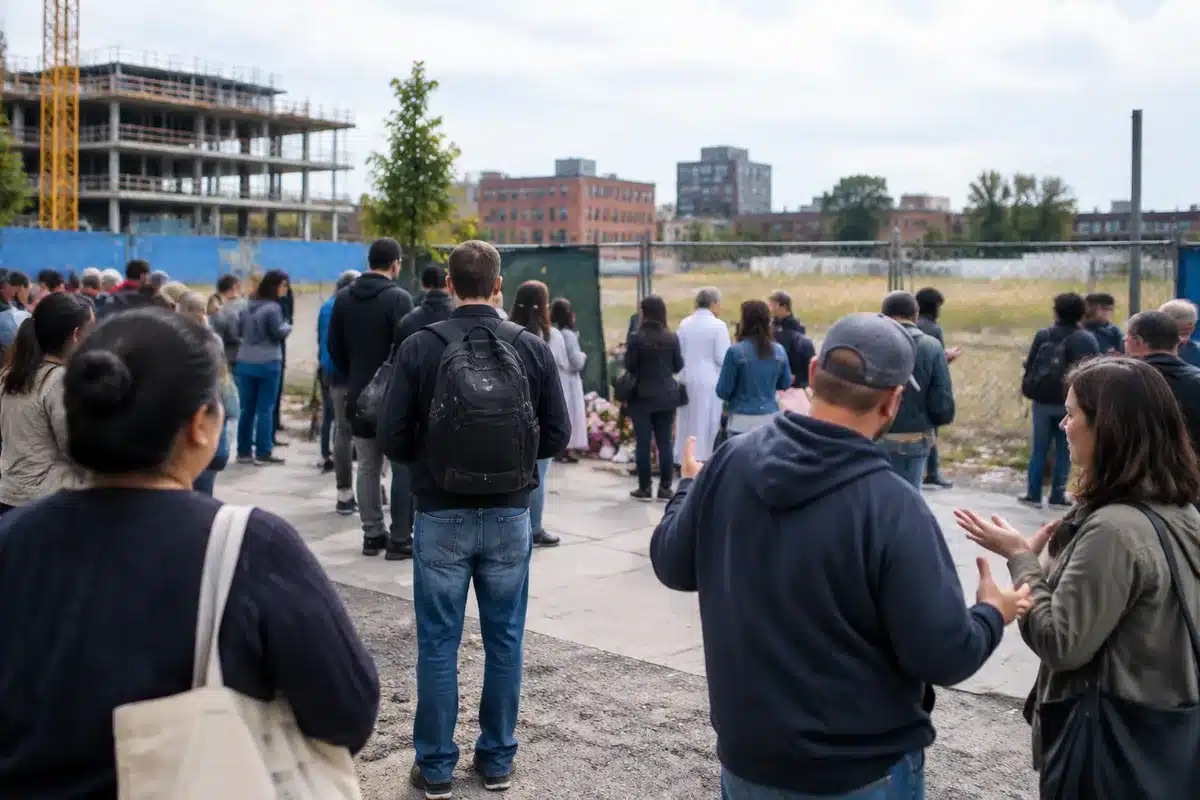
When plans surfaced in 2020 to build Islamabad’s first Hindu temple, officials framed the project as a possible turning point for religious freedom in Pakistan. The stalled construction and the clashes that followed have since become a focal point for wider concerns about the safety and rights of religious minorities across the country.
Government announcements in June 2020 that funding and land had been allocated for a temple drew praise from minority communities and some international observers. Within days, though, local media reported that the project had been paused for legal review. Political allies of the ruling party publicly objected, and the controversy quickly escalated into street-level unrest and damage at the site, according to press reports.
What happened on the ground
Coverage by national and international outlets portrayed the episode as more than a single construction dispute. Reporters described crowds and clerical statements that framed the temple as a flashpoint, and footage shared on social platforms showed individuals issuing threats and provocative chants that deepened communal tensions.
Pakistan: rising attacks erode religious freedom and put young girls at risk
EC has no voter breakdown by religion, UP CEO says: Yogi and Akhilesh trade barbs
Rights groups have catalogued other developments that point to systemic pressures on non-Muslim communities. One organization tracking places of worship reported extensive reassignments of non-Islamic religious sites to secular uses in past decades, a trend activists say has reduced visible space for minority faiths.
Cases that have drawn attention
Several incidents since the temple controversy have illustrated how contested and precarious minority life can be in Pakistan:
- Vandalism and threats: Reports describe attacks on places of worship and inflammatory material online that targeted Hindu, Sikh and Christian communities during religious festivals.
- Abductions and contested conversions: Human rights and news reports have highlighted individual cases — including of minors — where families allege abduction followed by rapid legal processes approving marriage or conversion. Those families continue to seek redress.
- Heritage disputes: Media coverage noted plans by authorities to repurpose some historical minority religious sites, sparking diplomatic objections and public debate.
The voices of victims and their families — often reported through the news media and local NGOs — show a pattern of vulnerabilities: police and judicial responses that are seen as inconsistent, social pressures that can quickly turn violent, and limited institutional remedies for those affected.
Regional and diplomatic ripple effects
The temple dispute resonated beyond Pakistan’s borders. New Delhi publicly raised concerns over proposed changes to minority religious sites and has offered asylum options to persecuted minority communities from neighboring countries, citing security threats to Hindus and Sikhs in the region. These diplomatic moves underscore how domestic religious-rights issues can prompt cross-border political responses and humanitarian actions.
Humanitarian organizations and legal advocates warn that perceptions of declining protections can drive migration, deepen communal divisions, and complicate bilateral relations in South Asia.
Why this matters now
The Islamabad temple episode is a case study in how a single policy decision can expose broader institutional weaknesses. For readers, the stakes are concrete: the events affect everyday safety, legal protections, and the preservation of cultural and religious heritage for millions of citizens. Observers say the matter also serves as an early indicator of whether state institutions will uphold minority rights or yield to social and political pressure.
What to watch next: whether the government clarifies funding and legal status for the temple site; how courts respond to contested conversion and marriage cases; and whether independent investigations and human-rights monitors are allowed to document incidents without obstruction.
For those tracking human-rights trends in South Asia, the story remains a reminder that changes in law, administration and public rhetoric can have rapid and tangible consequences for vulnerable communities.