Show summary Hide summary
If you are planning a family pilgrimage to Ujjain, recent changes to how devotees access the early-morning Bhasma Aarti make advance planning essential. Booking windows have been revised and local infrastructure upgrades mean travel and lodging choices will affect whether older relatives or young children can comfortably attend the ritual.
What makes Mahakaleshwar central to Ujjain
The temple of Mahakaleshwar sits on the Shipra’s banks and is counted among the twelve revered Jyotirlingas. Devotees revere this shrine for its association with the passage of time and mortality, symbolised by the daily ash ritual.
Sharad Purnima 2026: moonrise time and rituals for kheer and all-night vigil
Ugadi guide: crucial updates, dates and traditions to know today
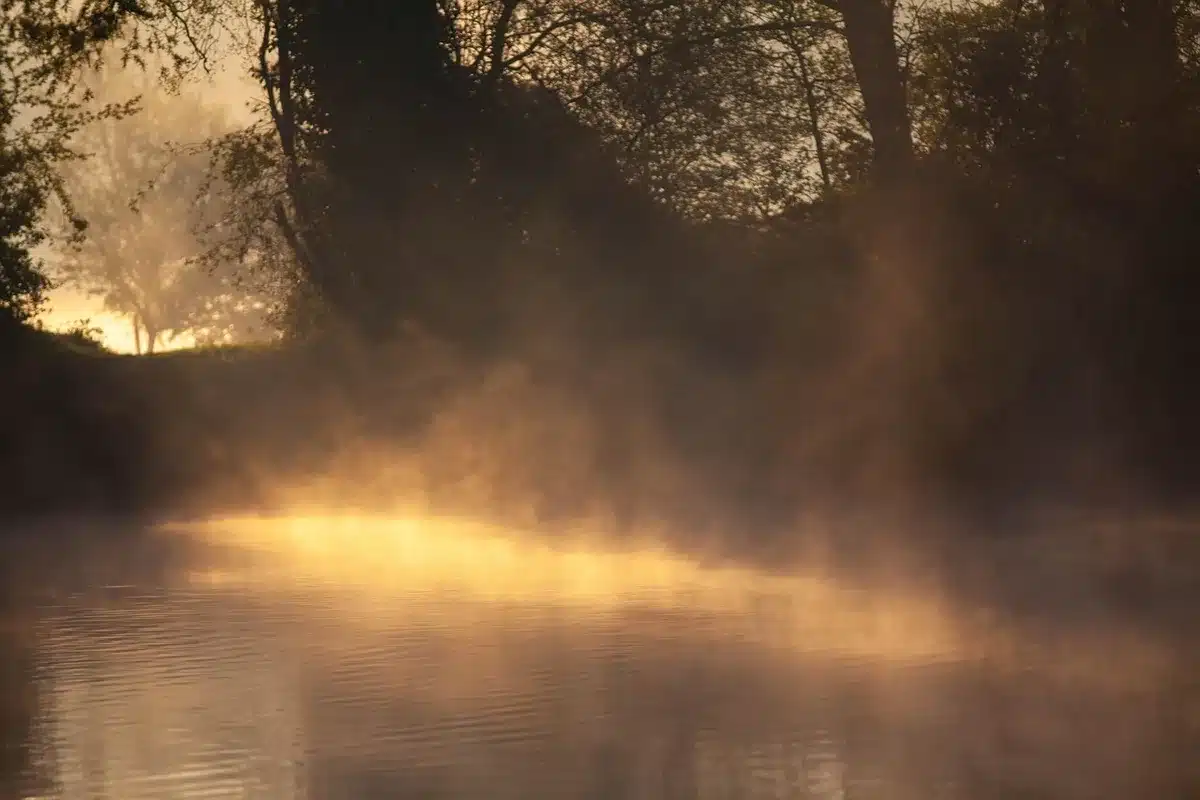
The shrine is distinctive in two respects: the main lingam faces south, a form often identified with Dakshinamurti, and the temple conducts the pre-dawn Bhasma Aarti, where sacred ash is applied and distributed as a reminder of life’s transience.
How Bhasma Aarti bookings work now (key changes)
Rules were updated in 2026; if you plan to attend, verify details on the temple’s official portal before you travel. The management has made online bookings the principal route for Bhasma Aarti access, and third-party sellers are not authorised.
Official booking portal: the temple’s government-run website is the only legitimate channel for tickets and permits. Avoid paying intermediaries who claim to hold confirmed slots.
| Type | When it opens | Fee (approx.) | Typical entry window | What to carry |
|---|---|---|---|---|
| Bhasma Aarti — Regular | Booking opens one month in advance (1st day, 8:00 AM) | Varies | Entry 1:00–3:00 AM; aarti ~4:00–5:30 AM | Government ID used at booking (Aadhaar, passport) |
| Bhasma Aarti — Tatkal | Opens one day before the date at 8:00 AM | Around ₹200 per person | Same pre-dawn window | Same ID; QR ticket |
| Sheeghra / Seated Sandhya & Shayan | Sandhya bookings open midday; Shayan from late afternoon | Seated ~₹250; moving darshan free | Evening/night aarti entry windows vary | ID for ticket verification |
Practical booking steps:
- Register on the temple portal with email and mobile, upload the government ID you will use at entry, and complete payment to receive a QR-ticket.
- Carry the exact ID used for booking; mismatches commonly cause denial of entry.
- Arrive well before the listed entry window — late arrivals are often refused once the ritual begins.
Other options for darshan and aartis
The temple offers several ticketed and non-ticketed experiences besides the Bhasma Aarti.
- Sheeghra Darshan — a faster, ticketed channel to reduce wait times.
- Pujan and Abhishek — bookings possible online for private services inside the complex.
- Sandhya (evening) and Shayan (night) aartis — seated entry is chargeable, while the moving (Chalit) darshan typically remains free.
Note: fees, opening times and the availability of offline counters have shifted; reports in 2026 indicate the traditional offline permit window was reduced or removed in favour of online Tatkal allocations. Confirm current practice on the official site shortly before travel.
Mahakal Lok and facilities around the temple
The Mahakal Lok redevelopment, opened in phases in recent years, extends the temple precincts with a landscaped corridor, pillars, murals and statues intended to give pilgrims a calmer circuit. Evening public attractions include a water-screen and fountain show at Rudrasagar Lake, which can be an easy way for families to unwind after an early start.

The temple committee also operates a free community kitchen, the Annakshetra, and guest houses (Atithi Niwas) for devotees; bookings for these are handled through official channels.
Seeing Ujjain in two days: a family-friendly pace
You can cover the essentials in a relaxed 48 hours if you prioritise the pre-dawn ritual and allow time for rest.
- Day 0: Arrive in the afternoon, settle in near the temple, and take an easy evening stroll through the temple lanes.
- Day 1 (pre-dawn): Attend Bhasma Aarti if booked. Rest afterward. Late afternoon visit to Ram Ghat and Harsiddhi Mata, finish with Mahakal Lok or the Rudrasagar show.
- Day 2: Choose either a slower Chalit darshan or a Sheeghra/specific puja booking, visit the Vedh Shala observatory, and take in a night aarti if the family is up to it.
Quick practical tips:
- Book the Bhasma Aarti first and schedule other visits around it.
- Stay within walking distance if attending the pre-dawn entry. A 1:00–3:00 AM window is hard to manage from far afield.
- Keep the same ID handy that you uploaded during booking.
- Avoid peak festival weeks if travelling with elders or infants; Mahashivratri and the month of Shravan draw very large crowds.
What’s ahead: Simhastha 2028
The next Simhastha Kumbh in Ujjain is scheduled for March–May 2028, and state funding has been allocated for preparations. If you plan to attend, begin arranging travel and accommodation well in advance — infrastructure and crowd management will be on a very different scale during the Kumbh.
Ujjain often surprises visitors: pilgrims remember not only the intensity of the rituals but the quiet moments at the ghat at dawn, or the slow, wordless time families spend together after darshan. Build space into your schedule for that unhurried hour.
Jai Shree Mahakal.