Show summary Hide summary
Planning a family pilgrimage from overseas to Kashi or Ujjain now requires more calendar-first thinking than ever: online booking windows and new entry rules set the itinerary, not the cheapest flight. Recent changes in 2026 mean those who book temple slots early save time, avoid stress and can enjoy the darshan itself.
Reserve temple dates before flights
The two most sought-after dawn rituals — the Mangla Aarti at Kashi Vishwanath and the Bhasma Aarti at Mahakaleshwar — are governed by fixed online booking windows. Your travel dates must bend to those slots.
Diwali 2026 messages: must-send English and Hindi lines for family
Selfless giving boosts happiness: how helping others without expecting returns improves well-being

Temple websites are the authoritative source. Do not rely on third‑party booking services for these passes; Mahakaleshwar’s management has explicitly restricted external reservations.
| Temple | Booking window (as of Oct 2026) | Entry time / ritual | ID / ticket |
|---|---|---|---|
| Kashi Vishwanath | General Mangla Aarti releases daily at 11:00 AM for the next 30 days; a limited Tatkal quota opens at 11:00 AM for the next day. | Devotees enter around 2:30–3:00 AM; aarti begins roughly 3:00–4:00 AM. | Printed ticket required; children under 12 usually free. Check the official site for current quotas. |
| Mahakaleshwar, Ujjain | Offline counters closed; regular advance booking reduced to one month. A Tatkal window opens online at 8:00 AM one day before (reported fee ₹200 per person). | Bhasma Aarti begins at 4:00 AM; entry window commonly 1:00–3:00 AM and late entry is often refused. | Online registration requires uploading a government photo ID (Aadhaar or passport). Carry the same ID used at booking. |
ID, tickets and what to carry
Bring the same photo ID you uploaded when booking. For Mahakaleshwar the booking portal specifically asks for a government ID; for Kashi, carry the printed pass. Keep a physical copy of every family member’s ticket — QR or hard copy — and a clear passport if you booked with an overseas document.
Manage jet lag — don’t fight it
Dawn rituals take place deep in the night. Rather than skipping them, build them into the plan so everyone arrives rested enough to participate.

- Avoid scheduling a pre-dawn aarti on your first or second morning after arrival. Allow at least one full night in the city.
- If you need a lower-key option, both temples offer quicker paid passes: the Kashi site lists a Sugam Darshan and Mahakaleshwar offers a Sheeghra Darshan for faster entry.
- Evening/night darshans in Ujjain include seated options (reported around ₹250) and free moving (Chalit) darshan — confirm current fees on the official pages.
Where to stay
Narrow lanes and early starts make proximity a practical priority. Choose lodging close to the temple when possible. At Ujjain, the temple authority operates guest houses called Atithi Niwas and handles bookings through its site — useful if you want the shortest transfer on a pre‑dawn day.
Travelling with children
Young children can be part of a meaningful visit if you plan carefully.
- Decide in advance whether each child will attend a pre-dawn aarti — entry is free for under‑12s at Mangla, but they must be awake well before 3:00 AM.
- Limit each day to one calm highlight: a sunrise boat on the Ganga in Varanasi, or an evening at Ram Ghat in Ujjain.
- Brief children on the stories behind the places — a short narrative about the sacred column of light at Kashi or the legend of Mahakal helps them connect to the experience.
- Mahakal Lok stages a water‑screen show at Rudrasagar most evenings (check the official schedule), a gentle finish to a long day for families.
Travelling with older relatives
- Slow the itinerary; allow long rests and reduce walking distances where possible.
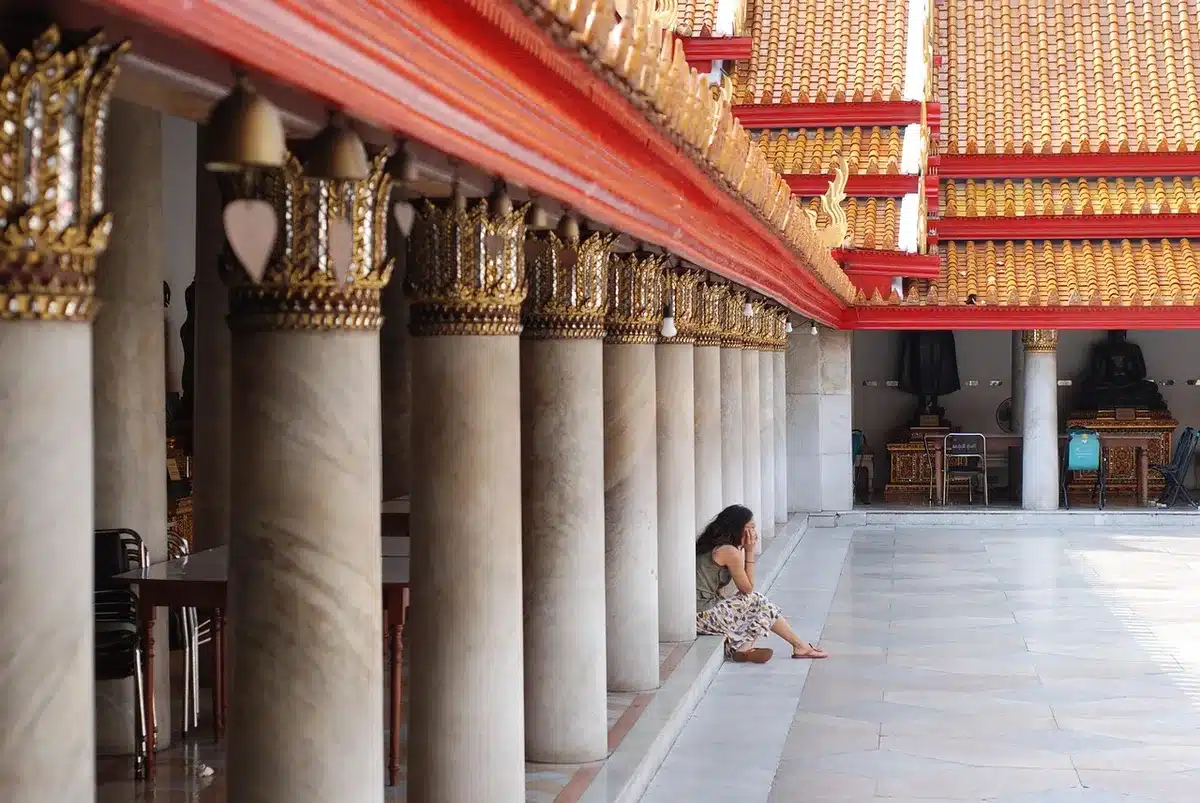
- Sitting quietly at a ghat or courtyard can be as meaningful as visiting every shrine; many older pilgrims value the calm more than a packed schedule.
- Carry a medication list (generic and brand names) both on paper and in a phone note.
- Gate regulations for bags, phones and footwear change regularly — confirm rules at the entrance on arrival day.
A practical week-long sequence
- Days 1–2: Arrive, recover and attend an evening Ganga aarti; take a sunrise boat the next morning.
- Day 3: Kashi Vishwanath darshan; include Mangla Aarti only if everyone is rested and you have a confirmed pass.
- Day 4: Travel to Ujjain and rest.
- Day 5: If booked, attend the Bhasma Aarti; spend a slow late morning and visit Ram Ghat in the evening.
- Day 6: Main Mahakal darshan and Mahakal Lok activities; catch the Rudrasagar show if it fits your pace.
- Day 7: Unwind, eat together and travel home refreshed.
Let the temple booking windows determine which day holds the main ritual. That may mean swapping days in this outline — and that’s fine.
One consistent lesson from families who travel from abroad: the booking process causes the most anxiety, while the darshan itself tends to bring calm. Securing passes early on the official portals and planning around those dates preserves the journey’s purpose — presence at the shrine rather than a race against schedules.