Show summary Hide summary
Varanasi’s pace has shifted in recent years: a new corridor, surging pilgrim numbers and tighter ticketing means a first visit now requires a little planning. This guide explains what to expect at Shri Kashi Vishwanath, how to attend the key rituals and practical steps to avoid last‑minute surprises.
Why Kashi matters now
Kashi remains one of South Asia’s oldest continuously inhabited cities and a central destination for Hindu pilgrimage. The temple of Vishwanath is one of the twelve Jyotirlingas; its current structure dates to the 18th century under Maharani Ahilyabai Holkar, and the gold-plated domes are a legacy of Maharaja Ranjit Singh’s donation.
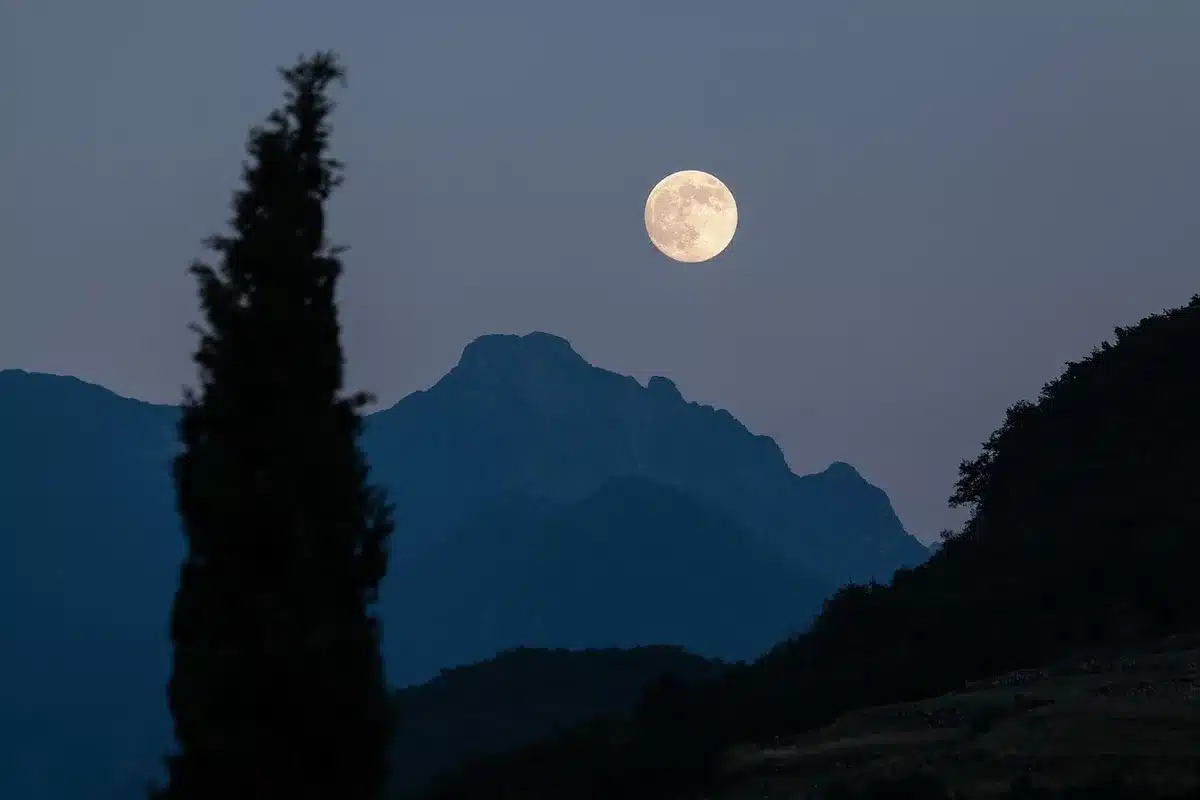
Sharad Purnima 2026: moonrise time and rituals for kheer and all-night vigil
Ugadi guide: crucial updates, dates and traditions to know today
Two developments have changed the visitor experience: the inauguration in December 2021 of the Kashi Vishwanath Dham corridor linking the temple complex to the Ganga, and a sharp rise in footfall. Uttar Pradesh government figures reported in early 2026 show that Varanasi recorded a record number of visitors in 2025. The combination of improved access and higher demand makes advance planning more important than before.
Temple rhythm at a glance
The temple follows a set daily schedule. Times and ticket categories are managed through the temple’s official portal (shrikashivishwanath.org), and can be updated; always confirm the live timings before you travel.

- Opening: The complex opens in the pre-dawn hours (around 2:30 AM).
- Mangla Aarti: About 3:00–4:00 AM. This early aarti is ticketed and widely sought after.
- General darshan: Starts at first light and continues into the late morning.
- Sugam Darshan: 6:00 AM–6:00 PM. A ticketed, faster access lane designed for visitors with limited time and for divyang pilgrims.
- Midday Bhog Aarti: Around 11:15 AM–12:20 PM.
- Sapt Rishi Aarti: Evening ritual, roughly 7:00–8:15 PM, performed by seven priests from different gotras.
- Shringar/Bhog Aarti and Shayan Aarti: Night‑time rites close the day; Shayan Aarti is free of charge.
Rudrabhishek and other special pujas are offered through the official booking system; the temple helpdesk number shown on the portal is +91 6393 131 608.
Booking Mangla Aarti — what to know
Mangla Aarti is emotionally powerful and attracts devotees from across the country. The temple’s online system divides availability into a general quota and a tatkal (short‑notice) quota:
- General booking opens daily at 11:00 AM for dates up to 30 days ahead. Entry is usually via Gate No. 1.
- Tatkal booking opens at 11:00 AM for the next day; these seats are limited and often sell out quickly.
- Arrive at the declared entry window (typically between 2:30 and 3:00 AM) with a printed ticket; children under 12 usually enter free.
Availability fluctuates—on a recent check in October 2026 the general quota showed no seats for visible dates while tatkal allocations remained small—so book promptly when the window opens rather than waiting until arrival in Varanasi.
Dashashwamedh Ghat and the evening Ganga Aarti
Each evening the Ganga Aarti at Dashashwamedh Ghat draws large crowds and typically begins shortly after sunset, lasting around 40–50 minutes (earlier in winter, later in summer). There are two practical ways to attend:

- From the steps: Standing on the ghat puts you close to the ritual—lamps, conches and priests. Arrive early for a good vantage point; there is no entry fee.
- From a boat: Watching the aarti from the river gives a panoramic view with the lamps reflected on the water. Confirm the price and duration before boarding and request life jackets for safety.
Sunrise on the Ganga
If you choose a single memory from Varanasi outside the temple, make it a pre-dawn boat ride. Seeing the ghats wake up—the slow light on stone steps, people bathing and performing their morning rites—offers a calm, intimate perspective before the city fills with daytime activity.
Three-day rhythm for a family visit
| Day | Suggested plan |
|---|---|
| Day 1 | Arrive, rest; attend the evening Ganga Aarti at Dashashwamedh. |
| Day 2 | Early morning Mangla Aarti if booked, or general darshan; afternoon at leisure; evening Sapt Rishi Aarti if you have tickets. |
| Day 3 | Sunrise boat on the Ganga, relaxed morning, depart without rushing. |
Practical tips
- Stay close: Choosing accommodation within walking distance of the temple makes pre-dawn entries far easier.
- Minimal valuables: Carry only essentials into the complex; security check rules are enforced and can vary by day.
- Comfortable clothing and footwear: You will walk and remove shoes frequently; choose simple, easy-to-manage garments.
- Sugam Darshan for elders: If a senior relative cannot wait in long queues, the Sugam Darshan pass is specifically designed for easier access.
- Plan around festivals: Mahashivratri, the Shravan month and Dev Deepawali attract much larger crowds—allow extra time and expect limited ticket availability.
On pujas and official bookings
If you plan to commission a specific ritual such as Rudrabhishek, book only through the temple’s official website or the published helpdesk channels. The temple portal is the authoritative source for timings, fees and assigned officiants.
Many first-time visitors try to pack too much into a single trip. For most people who leave feeling fulfilled, the pattern is simple: one meaningful aarti, one sunrise, and time to sit and watch the river. Varanasi reveals itself slowly—so give yourself space for that quiet, and check the official portal before you travel.