Show summary Hide summary
Shardiya Navratri 2026 begins today, Sunday 11 October, and will continue through Maha Navami on 19 October, with Vijayadashami (Dussehra) following on 20 October. The calendar matters now because millions of households and temples switch into festival routines—rituals, travel plans and community events—so accurate timings and practical guidance are essential for those observing the nine nights.
First dawn: Ghatasthapana
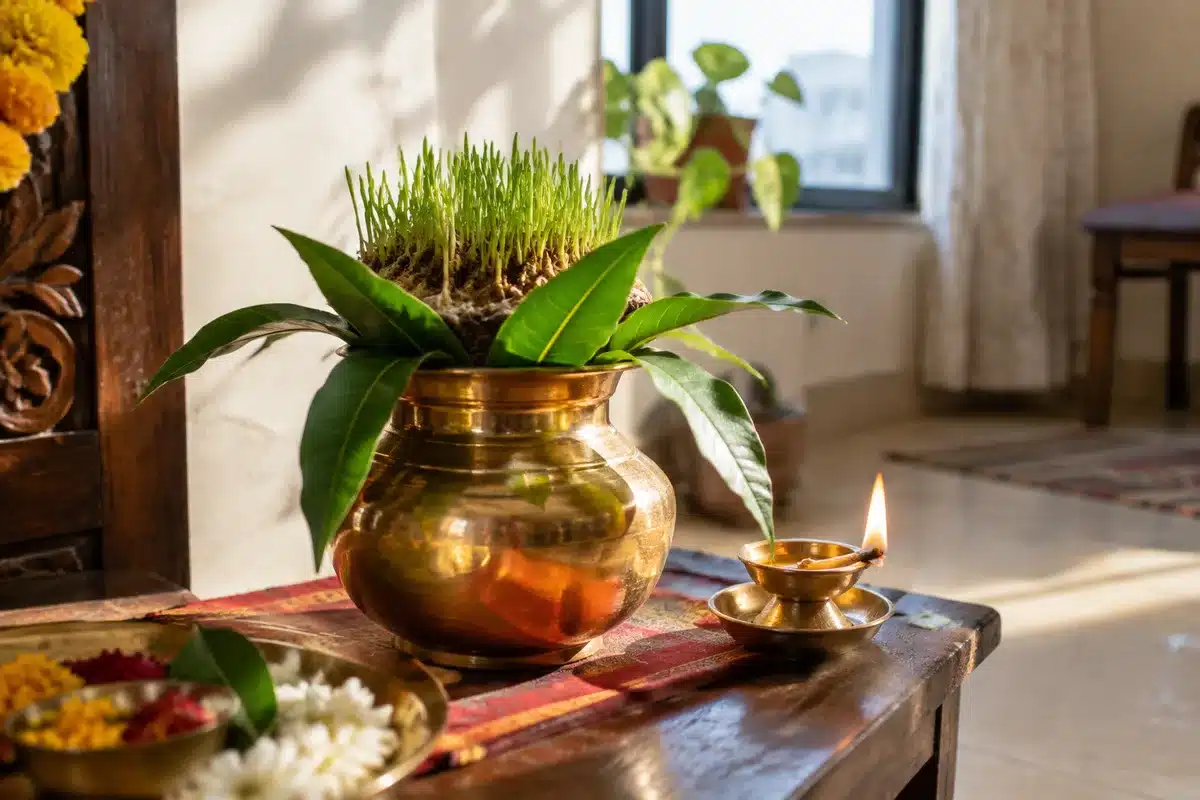
For New Delhi, the Pratipada tithi spans 8:49 AM on 10 October until 9:00 AM on 11 October. The traditional Ghatasthapana muhurat this morning is 7:12 AM–9:00 AM, a period during which families install the consecrated pot that remains through the festival.
Allahabad high court voids three land purchases: woman couldn’t prove continued ST membership
Odissi dazzles at WhiteSwan festival: classical dance wins standing ovations
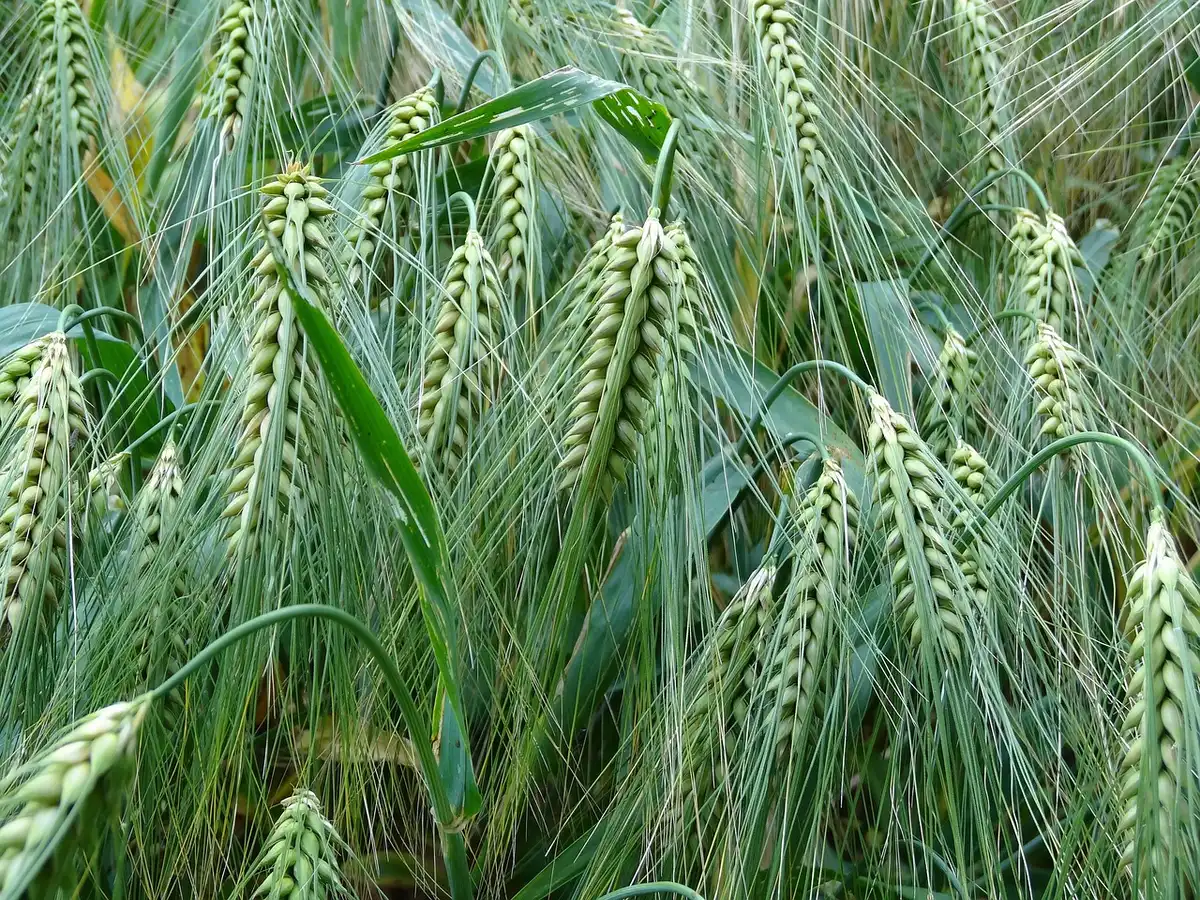
Household practice typically places a copper or brass pot over soil sown with barley, topped with mango leaves and a coconut; a lamp is lit beside the arrangement and the barley sprouts are watched over the nine days. If you miss the prescribed window, consult your local priest or temple rather than improvising—muhurat calculations vary slightly by location.
The nine days and the Navadurga
Each day of Sharad Navratri is associated with a different manifestation of the Goddess. Below is a quick reference for dates and observances in 2026 for New Delhi.
| Date (2026) | Day | Form | Notes |
|---|---|---|---|
| 11 Oct | Day 1 (Pratipada) | Shailputri | Ghatasthapana / kalash installation |
| 12 Oct | Day 2 | Brahmacharini | Chandra Darshana observed in some traditions |
| 13 Oct | Day 3 | Chandraghanta | Sindoor Tritiya in certain regions |
| 14 Oct | Day 4 | Kushmanda | Associated with creation energy |
| 15 Oct | Day 5 | Skandamata | Mother of Lord Kartikeya |
| 16 Oct | Day 6 | Katyayani | Saraswati Avahan observed by some |
| 17 Oct | Day 7 | Kalaratri | Fierce form thought to remove fear |
| 18 Oct | Day 8 (Ashtami) | Mahagauri | Sandhi Puja window 9:57 PM–10:45 PM (New Delhi) |
| 19 Oct | Day 9 (Navami) | Siddhidatri | Maha Navami, Ayudha Puja & Navami Homa |
Many households follow a colour schedule for each day, though palettes differ by region and family custom. Treat local temple guidance or long-standing family practice as authoritative for your observance.
Why nine nights?
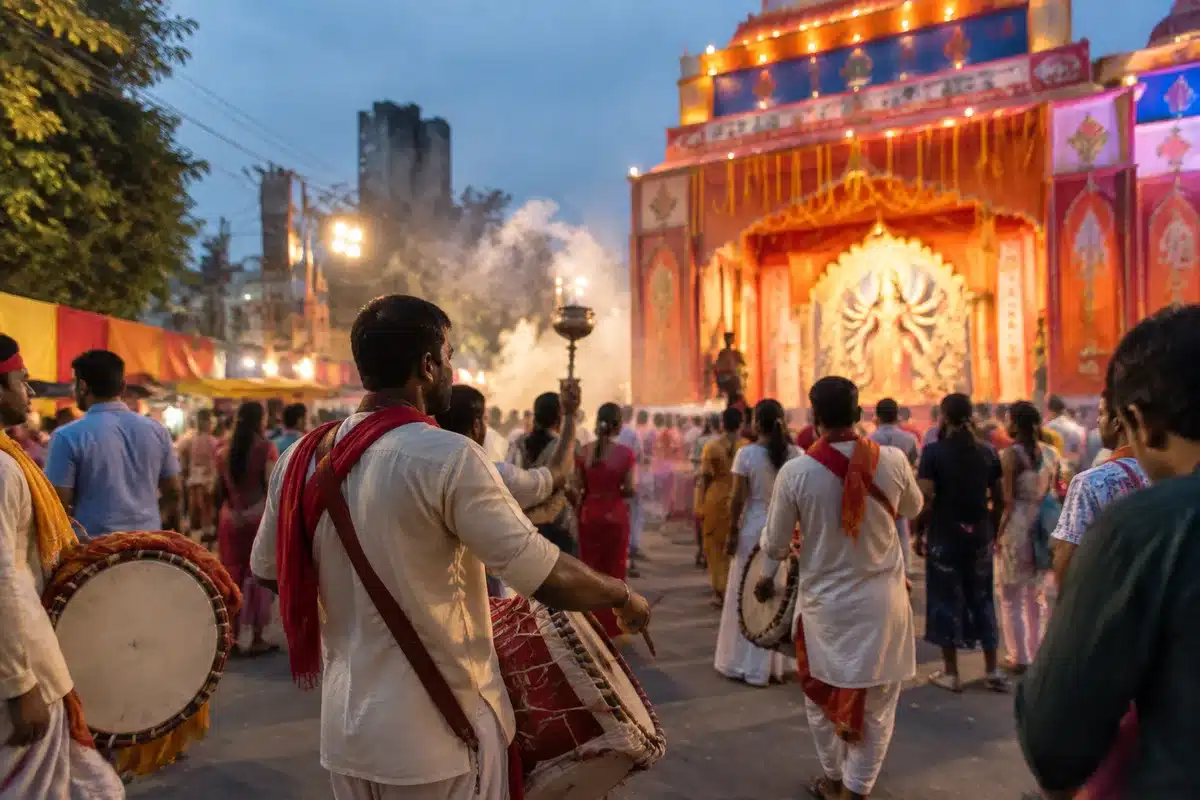
Navratri falls in Sharad, the season after the monsoon when skies clear and communities celebrate harvest and renewal. The festival commemorates Durga’s nine-night battle with Mahishasura in many retellings, culminating on the tenth day. Across India these days take diverse cultural forms: garba in Gujarat, Durga Puja in Bengal, golu displays in the south and Ramlila performances in the north that finish on Dussehra.
The period is also a customary time for restraint and routine—simpler food, early rites, and increased communal activity. For many families it’s a pause in the year to focus on prayer, service and household rituals.
Observing the vrat—sensible guidance
Fasting customs vary widely. Some observe all nine fasts, others only Ashtami or select days. Typical fast-friendly foods include buckwheat (kuttu), water chestnut (singhara), sabudana, fruits and dairy. Keep these practical points in mind:
- Stay hydrated and maintain regular meal times when you break the fast; fasting should not become a health risk.
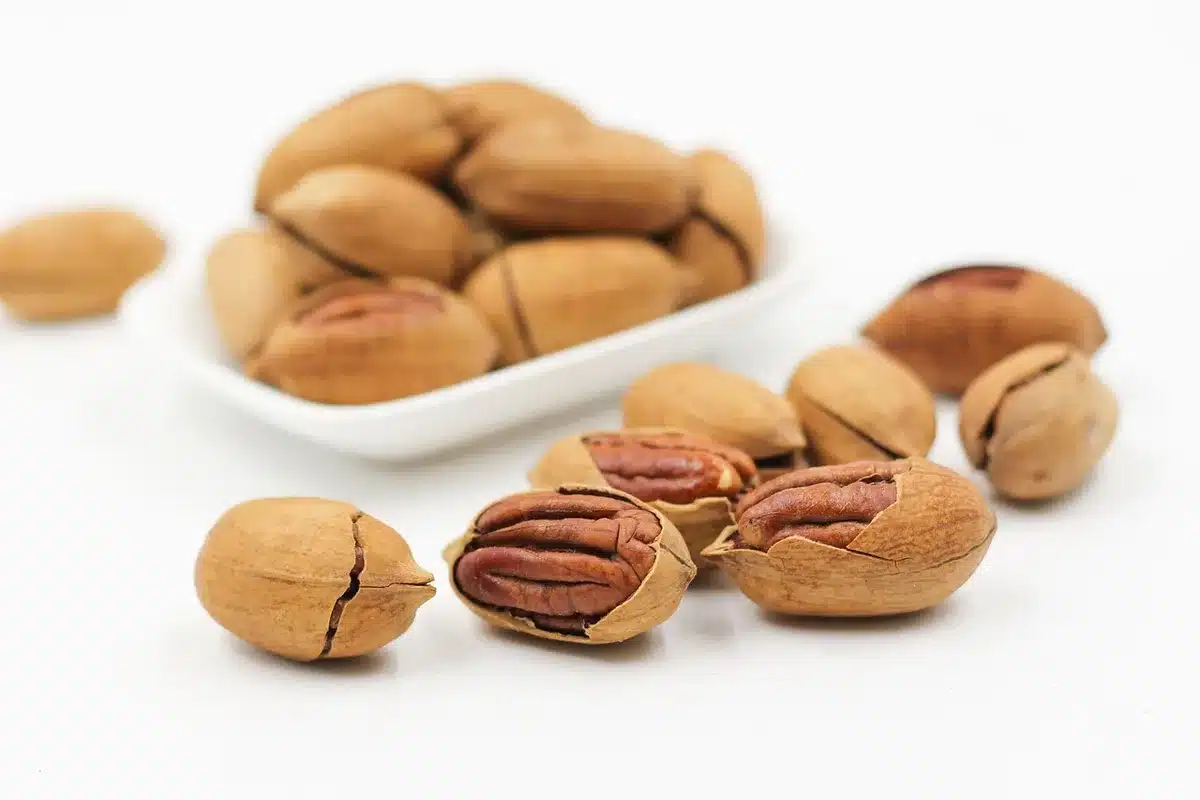
- Avoid heavy fried food on an empty stomach; a handful of nuts or a banana helps maintain energy.
- This is general information, not medical advice. Pregnant people, the elderly, diabetics and those on medication should consult their doctor before fasting.
- Family traditions and the local priest’s guidance are often the best reference for how strictly to observe the vrat.
Kanya pujan and community customs
On Ashtami or Navami many homes invite young girls—often nine—to receive hospitality and blessings, a ritual that symbolizes respect for the feminine principle. The ceremony typically involves washing the visitors’ feet, offering food and small gifts, and taking their blessings. It is an opportunity to pass on festival meanings to the next generation.
Practical tips for travel and temple visits
If you plan to visit a major Devi temple during these days, expect dense crowds, especially on Ashtami and Navami. Arrive early, carry water, follow notices issued by temple authorities and give priority to the comfort of older relatives.
Quick facts
- Ghatasthapana (New Delhi): 11 October, 7:12 AM–9:00 AM.
- Durga Ashtami: 18 October; Sandhi Puja 9:57 PM–10:45 PM (New Delhi).
- Maha Navami: 19 October.
- Vijayadashami / Dussehra: 20 October (Bengal commonly observes Vijayadashami on 21 October).
Timings here are given for New Delhi and can vary by a few minutes in other locations. Before performing a puja, check your local panchang or consult the temple priest for precise muhurat and tithi adjustments in your city.