Show summary Hide summary
With Janmashtami on the calendar, millions of Hindus and curious observers worldwide are preparing to mark the birth of Krishna — a figure whose life stories and teachings continue to shape devotional practice, literature and public ritual. Understanding who Krishna is and why his traditions remain influential helps explain both local temple ceremonies and global movements that draw thousands to chant, sing and reflect.
Why Krishna matters now
Beyond devotional celebration, Krishna’s narratives speak to questions about duty, identity and community that resonate in contemporary public life. His teachings — most famously recorded in the Bhagavad Gita — are often cited in discussions about ethical decision-making, leadership and resilience, giving the ancient stories modern relevance.
Shah Rukh Khan used the name Abinav to ease in-law worries: Gauri adopted Ayesha during nikaah
Javed Akhtar hails Hindu festivals as cultural glue: throwback of atheist celebrating resurfaces
Five things to know
- Many names, one meaning: Krishna’s name can be associated with dark complexion but also comes from a Sanskrit root meaning “to attract,” a nuance that frames him as the embodiment of charm and spiritual magnetism.
- Childhood in Vrindavan: Tales of Krishna’s youth in Vrindavan—playing among cowherds and forming intimate bonds with companions—are central to devotional practices that emphasize personal relationship with the divine.
- The speaker of the Bhagavad Gita: In the Mahabharata epic, Krishna counsels the warrior Arjuna on duty, action and the nature of the self; that dialogue became the standalone text known as the Bhagavad Gita, widely studied across religious and secular contexts.
- Later expressions of devotion: Some traditions see the 15th-century saint Caitanya Mahaprabhu as a renewed manifestation of Krishna’s grace; his stress on communal chanting and ecstatic song intensified practices that spread globally through groups such as ISKCON.
- Janmashtami rituals: The festival’s observances — fasting, temple bathing of deities, midnight darshan and communal feasting on prasadam — blend personal devotion with large-scale public ritual, anchoring Krishna’s story in place and time.
From pastoral tales to ethical teaching
Stories of Krishna as a playful, youthful cowherd and as a statesman and counselor are not contradictory but complementary: one side invites affection and intimacy, the other offers philosophical instruction for action under pressure. Together they form a multifaceted figure whose life is read as both myth and moral guide.
In the Gita, Krishna reframes conflict as an arena for moral choice rather than merely political gain. That conversation—between a despondent warrior and his divine charioteer—has been quoted by leaders, scholars and spiritual seekers to argue for duty performed with awareness rather than attachment to outcomes.
Devotional practice and collective expression
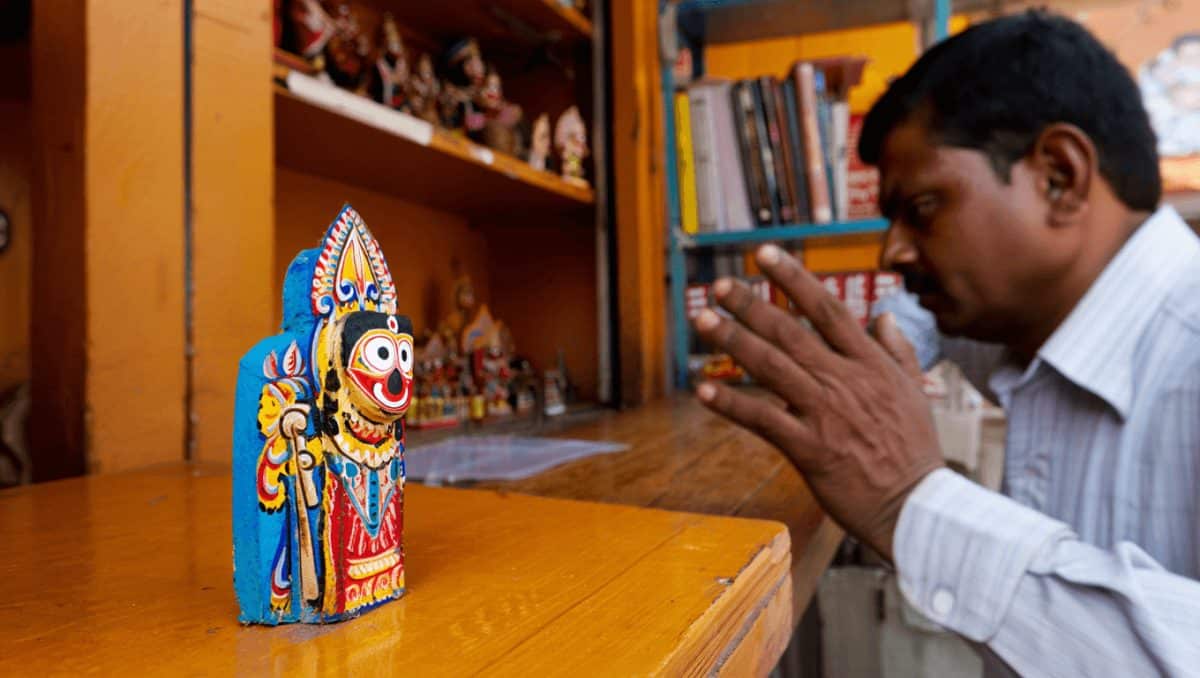
Much of Krishna-centered worship emphasizes bhakti, or devotional love expressed through song, ritual and personal service. In particular, the practice of kirtan—group chanting of the Divine’s names—remains a primary vehicle for communal feeling and spiritual renewal.
Movements tracing back to Caitanya Mahaprabhu institutionalized these practices and helped them travel. Organizations that grew from that lineage now run temples, festivals and outreach programs in diverse urban centers, where participants from various backgrounds encounter Krishna’s music, food and teachings.
What happens during Janmashtami
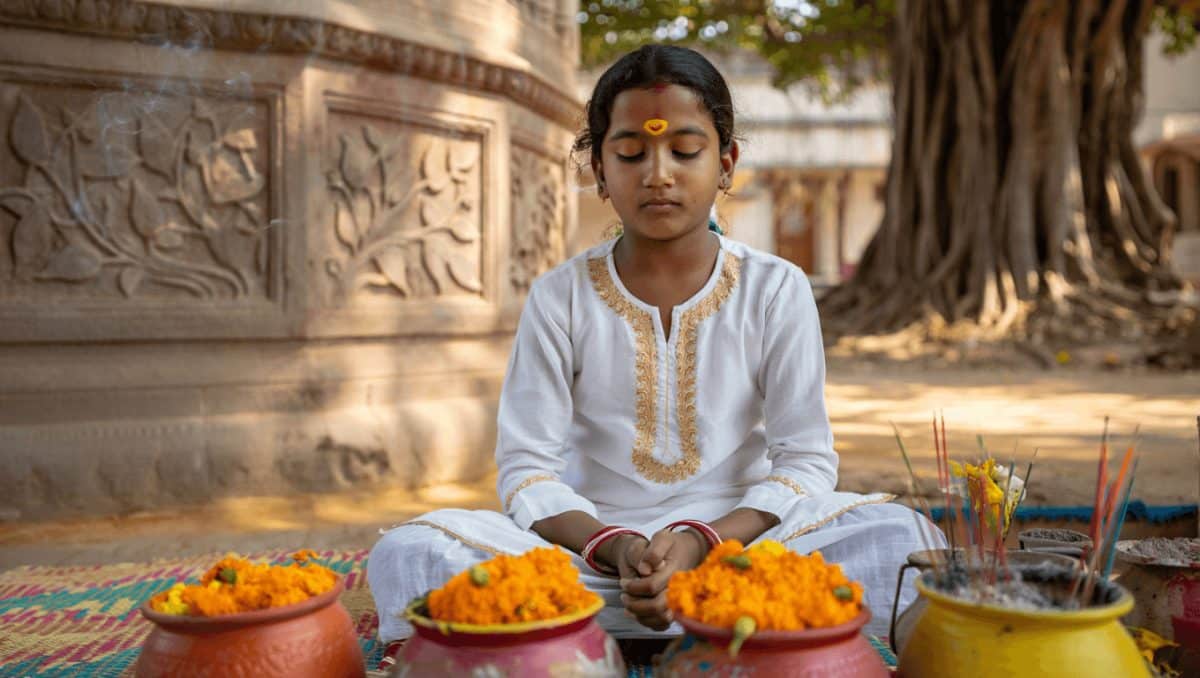
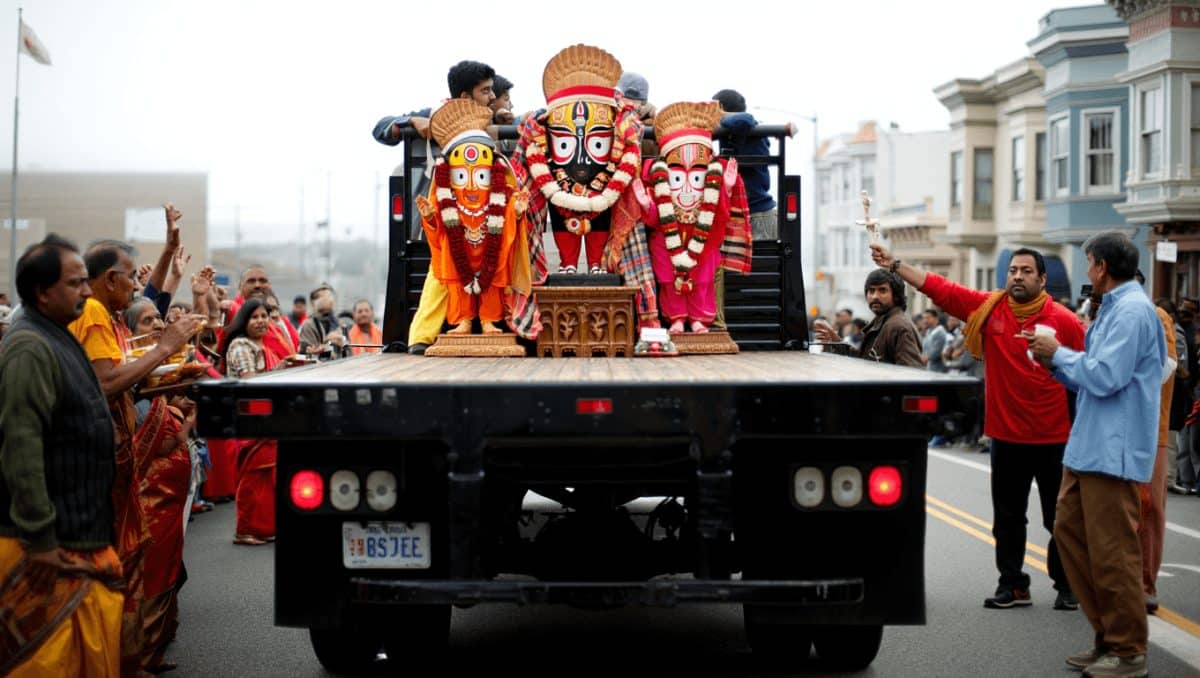
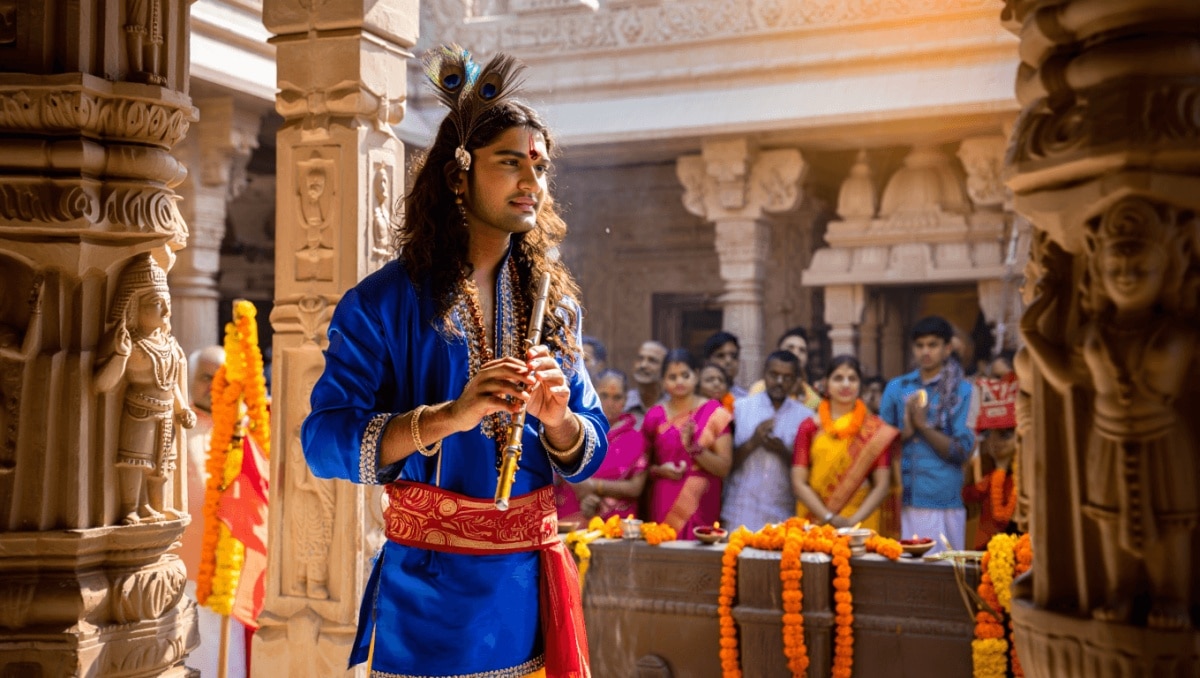
The observance varies by region and community, but certain elements recur: devotional readings, dramatic retellings of childhood episodes, floral decorations and processions. In many temples the climax arrives at midnight, the traditional hour of Krishna’s birth, when deities are unveiled and the congregation shares in prayer and prasadam.
For pilgrims and local residents alike, the festival is a rehearsal of communal memory — a way to reenact and transmit values of devotion, compassion and joyous participation to the next generation.
Quick reference
| Term | What it means |
|---|---|
| Bhagavad Gita | Philosophical dialogue in the Mahabharata where Krishna advises Arjuna on duty and the nature of the self. |
| Vrindavan | Village associated with Krishna’s youthful pastimes; a focal point of pilgrimage and ritual. |
| Bhakti | Path of devotion emphasizing love and personal relationship with the Divine. |
| Kirtan | Communal chanting or singing of divine names and hymns. |
| Janmashtami | Festival celebrating Krishna’s birth, marked by fasting, midnight ceremonies, and feasting. |
For readers attending or observing Janmashtami this year, the rituals offer a way to connect across generations and geographies: whether experienced as cultural spectacle, spiritual practice or philosophical text, Krishna’s stories continue to shape conversations about how we live together and what we owe one another.