
Show summary Hide summary
Activist Abhijeet Dipke — leader of the Cockroach Janta Party — visited a government school in Ujani village, Latur district, on Thursday and demanded the resignation of Maharashtra’s school education minister, Dada Bhuse, saying the condition of public schools is unacceptable and endangers children. His comments, part of a newly launched campaign, sharpen the spotlight on basic education and safety in rural government schools ahead of the next election cycle.
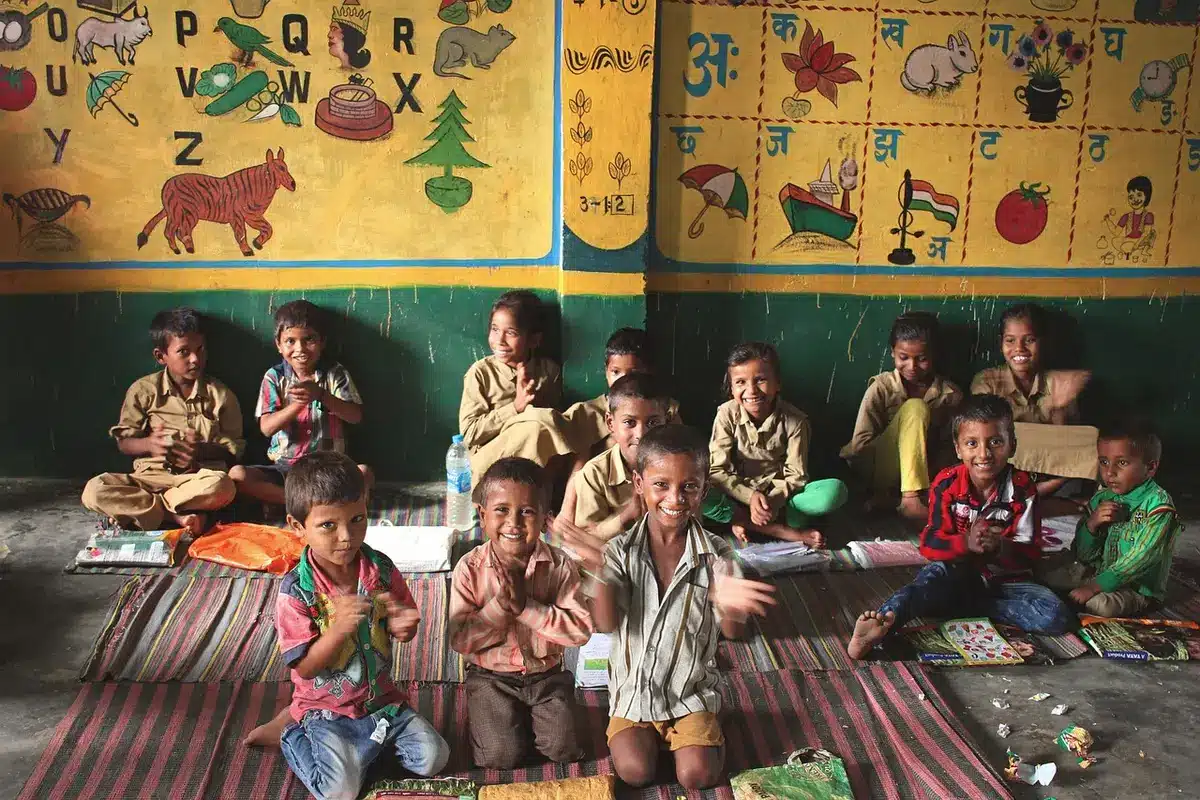
Dipke, who launched the School Thik Karo drive last week, inspected a Zilla Parishad institution in Ausa tehsil and described widespread neglect. According to his account, many schools in the area lack secure classrooms, adequate benches, functioning toilets and safe access routes — shortcomings he says amount to a threat to pupils’ well‑being.
Kashi poised to become global tourism hub, FHRAI experts say
Hindutva decoded: what its rise means for Indian democracy and daily life
“Elected officials must be answerable for these schools,” Dipke said, urging voters to demand action rather than simply casting ballots. He suggested that ministers and MLAs should send their own children to government schools to grasp the problems firsthand, and warned that public patience is waning.
Dipke framed the situation as more than poor infrastructure: he said accumulated garbage near campus boundaries has created unhygienic conditions and attracted snakes, citing media reports of alleged snakebite deaths as evidence that safety has been compromised. He also claimed that some remedial work began only after local inspections by his group.
- Main complaints: leaking tin roofs, insufficient benches, broken or missing toilets, no safe student transport or access roads.
- Demands: resignation of the education minister, immediate repair of school facilities, safe transport for children, and accountability from local representatives.
- Community action: Dipke urged residents to refuse votes until candidates prioritize school improvements.
Why this matters now
Poor school infrastructure affects daily safety and long‑term educational outcomes for rural children and can influence voter sentiment before coming elections. Dipke highlighted that young voters — particularly Gen Z — will become a decisive force by 2029, and that political parties ignoring school issues risk losing support from families and first‑time voters.
Local residents and CJP members say they will continue inspections and mobilise if the government fails to act. Dipke warned that dissatisfaction could translate into wider protests across villages if repairs and safety measures are not prioritised.
On the NEET probe
Separately, Dipke commented on the CBI’s investigation into an alleged NEET paper leak in Latur, accusing authorities of focusing arrests on lower‑level suspects while shielding more senior figures. He said the scale of the case suggests involvement higher up the system, and that arrests of subordinate actors alone do not satisfy public demand for accountability.
Local officials have not yet issued a detailed response to Dipke’s specific allegations about school conditions or his call for the education minister’s resignation. The story highlights a persistent challenge for state administrators: improving the basic learning environment in government schools while restoring public trust in education governance.