At the turn of the 20th century a group of prominent Hindu thinkers publicly pushed to end child marriage, arguing that the original Vedic practice permitted brides to marry only after puberty. Their campaign — framed as a return to scriptural norms — reshaped public debate about women’s agency and remains relevant where religious texts are still cited in debates over marriage age and reform.
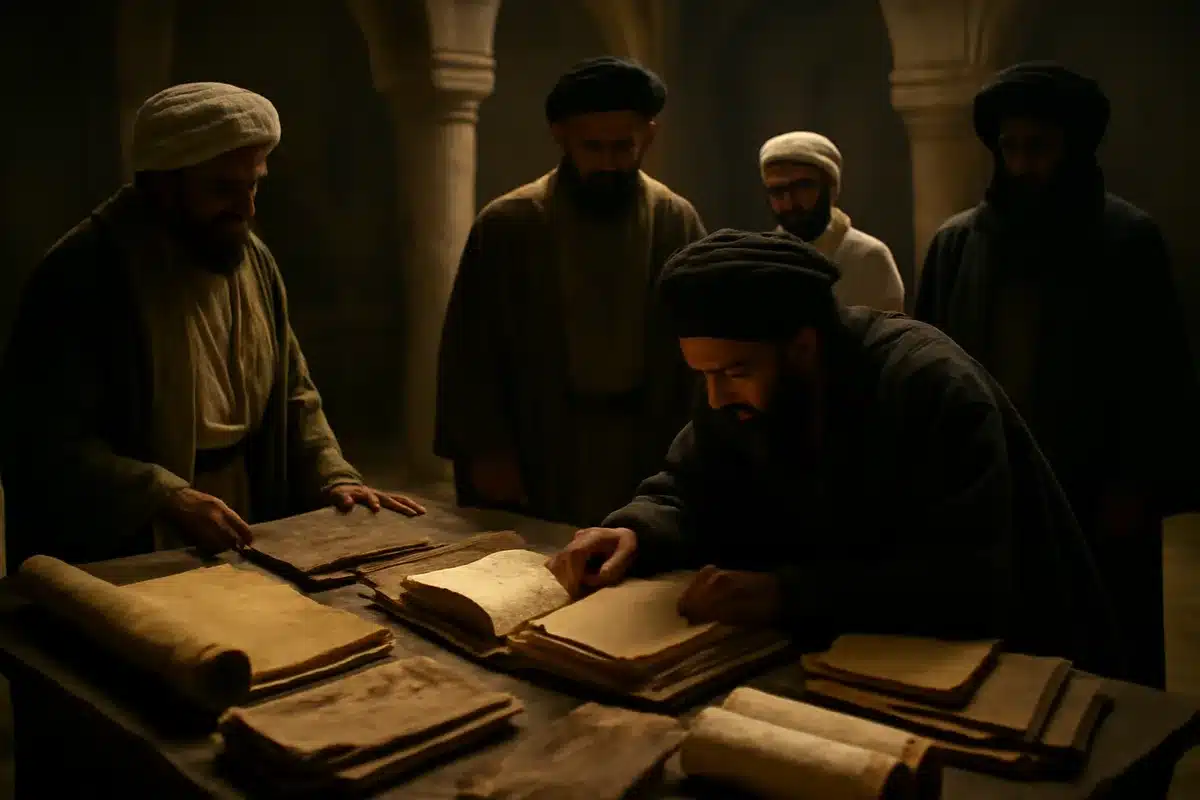
Leading figures — lawyers, scholars and public intellectuals of the time — convened meetings and passed resolutions opposing pre-pubertal unions. Names often linked with that movement include M. Rangachariar, Sivaswami Ayyar, Sundaramayyar and Krishnaswami Ayyar, and outspoken campaigners such as Srinivasa Sastri. Groups of traditional priests and learned communities in places like Kanchipuram and Thiruvaiyaru joined the conversation, arguing that a Vedic reading supported later marriages.
Kashi poised to become global tourism hub, FHRAI experts say
Hindutva decoded: what its rise means for Indian democracy and daily life
The reformers advanced two main lines of textual evidence. First, they pointed to the marriage mantras recited in Vedic rituals; second, they cited a stanza from the Manusmriti. Together these texts, they argued, showed that girls were meant to marry after puberty and that the practice of marrying very young girls was a later distortion.

To understand the first argument requires a brief detour into ritual symbolism. Classical Hindu ritual thought assigns tutelary deities — called adhidevata — to body parts and life stages. In the marriage formula quoted by reformers, the bride’s life is described as passing through the influence of three divine guardians in sequence: the moon, a gandharva (a semi-divine being associated with beauty and desire) and the fire-god.
The reformist reading treats that sequence as chronological: childhood under the moon; an adolescent phase associated with the gandharva; then a period under Agni (fire), conventionally read as the phase that awakens sexual maturity; only after those stages, the argument goes, does the bride come under the groom’s protection. In short: the mantras were interpreted as indicating marriage after menarche and a further interval under Agni.
Reformers also invoked a passage from the Manusmriti that they translated to mean a young woman who has reached maturity should wait three years for a suitor; if none arrives, she may seek a husband herself. That stanza was read as endorsing not only post-puberty marriage but also a degree of female autonomy in choosing a spouse — a claim the reformers presented as socially progressive for the era.
Not everyone accepted these readings. Traditionalists argued that ritual texts and law codes are complex, multilayered and often serve symbolic or local functions; they cautioned against treating mantras as straightforward legal prescriptions. The debate thus turned on hermeneutics — how to read and apply ancient texts to contemporary social problems — rather than on a single, unambiguous scriptural verdict.

| Source cited | Reformers’ interpretation | Practical implication |
|---|---|---|
| Vedic marriage mantras | Sequence of guardians (Soma, Gandharva, Agni) marks developmental stages; marriage follows these stages | Marriages should take place after puberty and a short maturity interval |
| Manusmriti stanza | Post-puberty waiting period of three years; woman may seek a husband if none arrives | Supports later marriage and limited female agency in spouse selection |
The historical debate matters today because it illustrates how scriptural interpretation can be mobilized either to defend entrenched practices or to argue for reform. Where law, religion and culture intersect, competing readings of the same passages continue to influence policy, courtroom arguments and social movements.
For contemporary readers the lesson is twofold: first, texts are rarely monolithic — they allow multiple, sometimes conflicting readings; second, reform agendas frequently depend as much on which passages are emphasized and how they are read as on external political pressures. Understanding that dynamic helps explain why changes in social norms, such as the rise of later-marriage norms, are often contested long after laws are passed.
Ultimately, the reformers’ case rested on a selective, historically informed return to scriptures combined with a campaign to change social practice. Their arguments helped shift public opinion in their time and remain a useful example of how religious traditions have been reinterpreted to advance social reform.