
Show summary Hide summary
The Nagpur bench of the Bombay High Court has ruled that the constitutional guarantee to practise religion under Article 25 does not override broader public-safety and order concerns, clarifying that religious rituals may be regulated when they pose risks to the community. The decision, handed down last week, has immediate implications for organisers of processions and for police powers to redirect or refuse specific routes on security or civic grounds.
What the court decided
OCI booked in Pune as Maharashtra’s new conversion law takes effect
Sunil Lahri: Gen Z and Gen Alpha labels widen cultural gap, wants gurukul values in schools
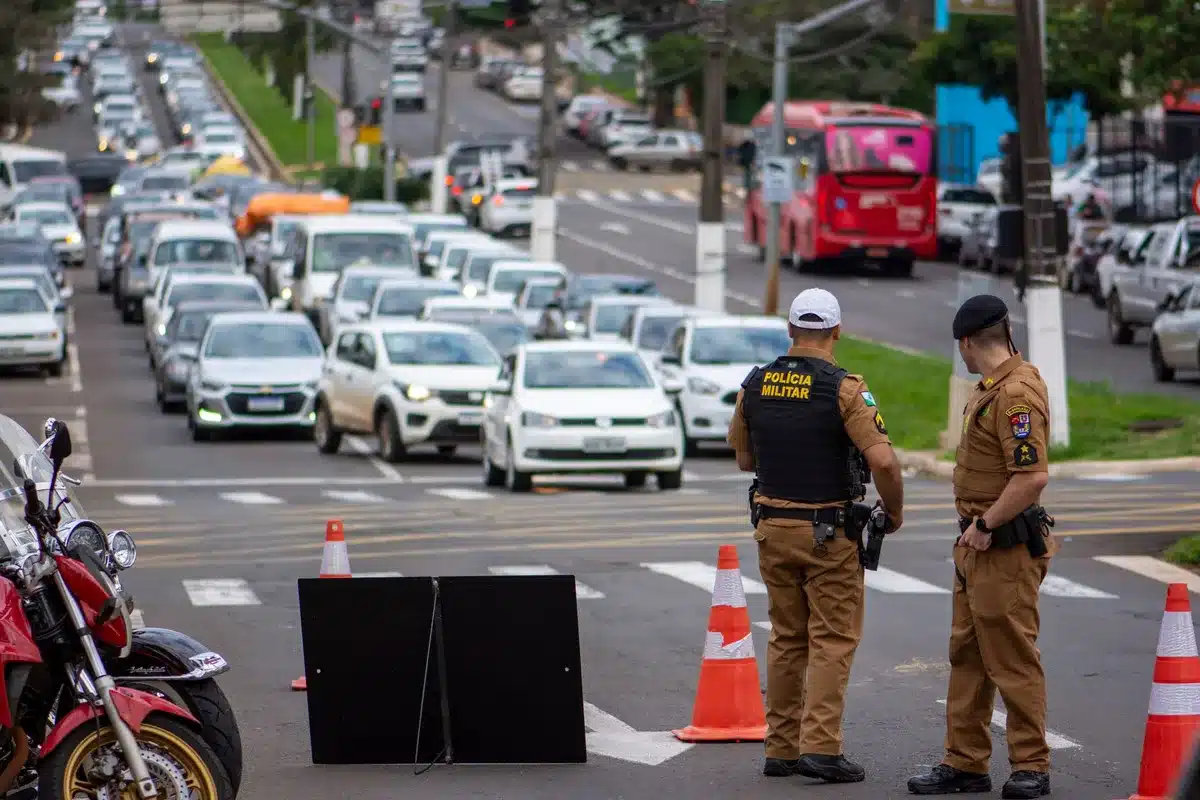
A division bench led by Justices Anil Kilor and Rajnish Vyas dismissed a petition by Deepak Nechwani challenging police restrictions on the route of a planned Kavad Yatra. The procession, intended to carry consecrated water for the jalabhishek of a Shivling, was to pass through Mominpura, a locality identified by authorities as sensitive.

The bench emphasized that authorities were not barring the event outright but had declined permission for the specific route cited by organisers on grounds of public order, traffic management and safety. The court accepted police submissions that no individual or group has an unfettered right to insist on a particular public road for religious rites when it may endanger others.
Police reasons cited
- Route passes close to eight mosques and one dargah in a declared sensitive area.
- Recent incidents cited by police include a disturbance near Jama Masjid on January 22, 2024, and communal unrest on March 17, 2025.
- Narrow streets and heavy vehicular traffic raised concerns about obstruction to ambulances and fire services.
- Potential clashes with VVIP and VIP security arrangements along the proposed route.
- Organisers failed to provide essential operational details: traffic-management plans, crowd-control arrangements, volunteer lists, identity badges, sound-system specifications, estimated turnout and emergency response measures.
Court records show police had proposed an alternative path for the procession; the judges noted the petitioner had not supplied the additional information requested after deficiencies were pointed out.
Legal framing and precedent
The bench relied on established constitutional principles that freedoms under Article 25 are subject to limitations in the interest of public order and the rights of other groups. Citing an earlier ruling of the Allahabad High Court, the judges underlined the distinction between the abstract right to follow a faith and the narrower right to conduct religious observances in a single, specified manner.
This is not a novel tension in Indian law, but the Nagpur ruling reiterates the point in the context of urban processions where communal sensitivity and civic logistics intersect.
Practical consequences
Organisers who plan public religious events should expect tighter scrutiny of route choices and operational preparations, particularly in mixed or densely populated neighbourhoods. For authorities, the judgment affirms discretion to balance religious freedoms with traffic safety, emergency access and security needs.
How this will play out in future disputes depends on case-specific factors: the sensitivity of the locality, the adequacy of organisers’ plans, and any recent incidents that might elevate the risk profile of a procession.