Show summary Hide summary
The recent hotel blaze in Tarapith has raised urgent safety questions for a pilgrimage economy that will peak again with Kaushiki Amavasya in a few weeks. Authorities have ordered a thorough review of lodging in the area, a move that could reshape how the district prepares for the surge of visitors arriving from across the region.
The state has instructed a comprehensive safety audit covering hotels, guest houses and lodges across the Tarapith circuit, with officials aiming to finish checks by the end of August. Junior fire minister Koushik Chowdhury has given firm assurances that inspections will be completed on schedule while prioritizing public safety.
Why this matters now
Annamalai applauds Bhagwat’s message on Muslim inclusion in India
Navratri in Times Square goes viral: social media splits over Indian celebrations abroad
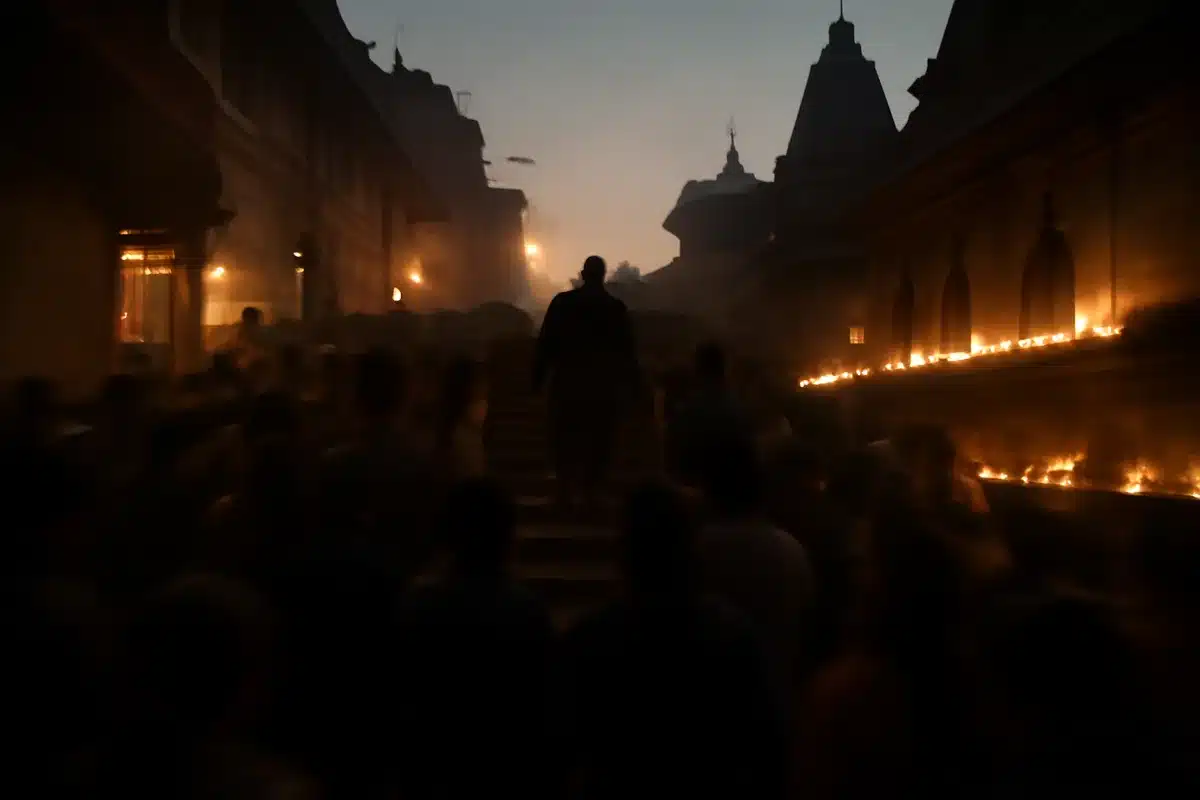
Tarapith anchors a wider religious-tourism network that includes Nalhati, Bakreswar and Kankalitala. During major festivals, hundreds of thousands of people move through the district; any disruption to accommodations or transport has direct consequences for local livelihoods and for pilgrims’ safety.
Local hoteliers and temple officials say the coming Kaushiki Amavasya — the Bhadrapada Amavasya tithi falling this year on Sept. 10–11 — will be the first major test of the post-fire safety regime. Pilgrimage-season demand squeezes capacity, draws high prices and concentrates crowds in a compact townscape.
On-the-ground numbers and the economic ripple
Estimates vary, but data and local accounts illustrate the scale:
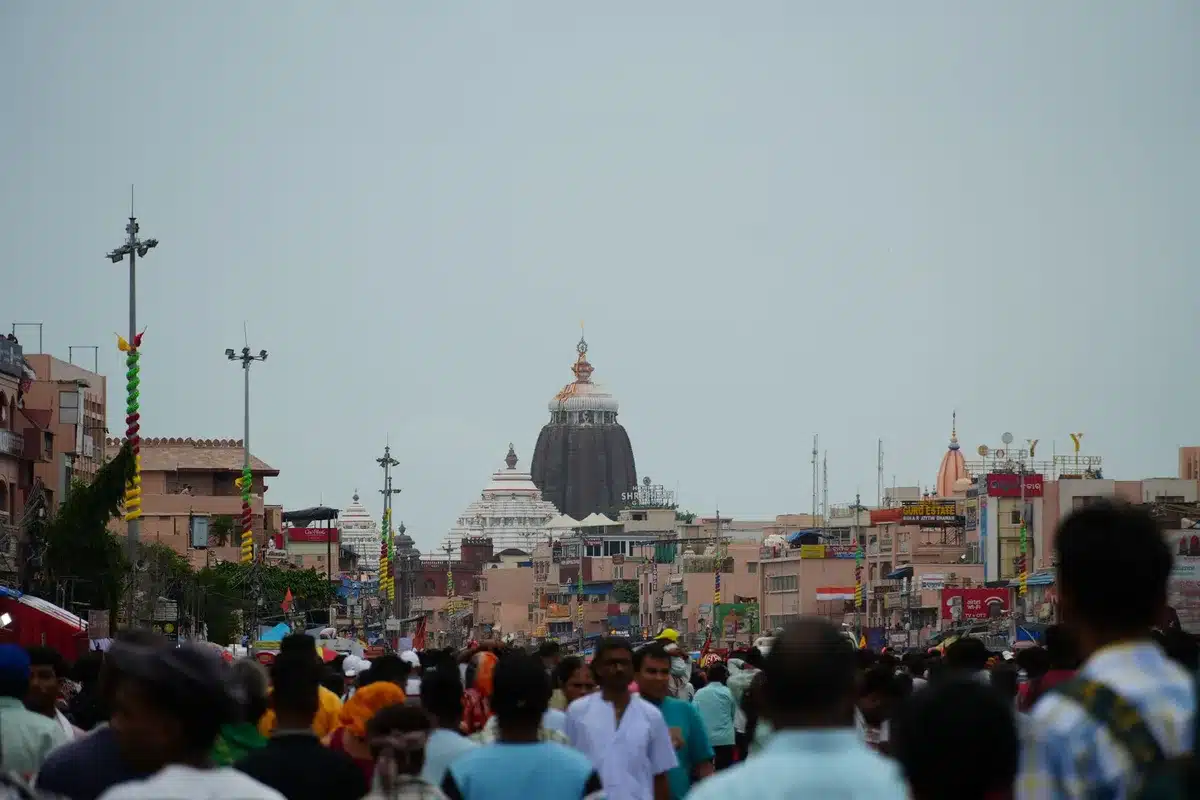
- Typical daily visitors at Tarapith: roughly 8,500, rising to about 15,000 on weekends.
- Past festival peaks: in 2018 more than 600,000 pilgrims arrived over a single weekend; recent projections ahead of Kaushiki Amavasya ranged from 400,000 to 1,000,000 depending on the source.
- Railway traffic cited by temple organizers showed roughly 350,000–400,000 pilgrims traveling by train for the festival in previous years.
- Local lodging: the town had several hundred hotels and guest houses; room rates surge during peak days (non-AC and AC rooms rise severalfold for multi-day bookings).
- Spending spikes are evident in ancillary sectors — for example, excise receipts for liquor sales jumped from about Rs 2.6 crore over two days in 2018 to roughly Rs 4.5 crore across three days in 2025, a narrow but telling indicator of the consumption surge.
Those flows support thousands of small businesses: hoteliers, restaurants, flower and puja-material vendors, priests, transport operators and seasonal workers. As Tarapith sevayat Gouranga Ganguly notes, the town’s economy depends on an uninterrupted pilgrimage season — which makes lodging safety a community-wide concern.
What the safety audit will look at
Officials say the review will go beyond paperwork and focus on practical readiness. Key checks are expected to include:
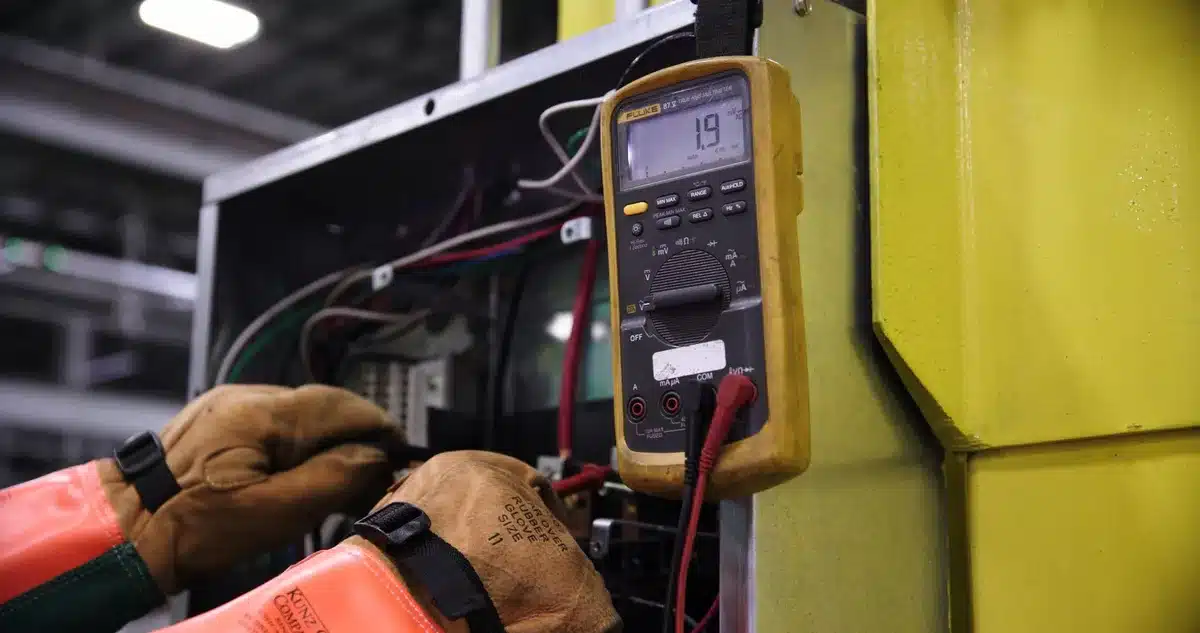
- Electrical wiring and load safety
- Functioning fire alarms and extinguishers
- Clear, accessible fire exits and emergency routes
- Registered occupancy limits and room layouts
- Evacuation plans and staff training
- Access for emergency services and signage for visitors
For many hoteliers, the audit is a wake-up call; for others it could mean costly upgrades ahead of the busiest fortnight of the year. Tarit Saha, a Rampurhat-based hotelier, framed the incident not as an isolated accident but as a systemic risk for the whole pilgrimage circuit.
Local tourism promotion already links these sites into a circuit — visitors commonly combine Tarapith with the temple at Nalhati, the hot-springs and Bakranath Shiva shrine at Bakreswar, and the shrine at Kankalitala. Academic studies and the district tourism portal highlight this cluster as Birbhum’s principal mass religious-tourism landscape.
Looking ahead
With Kaushiki Amavasya days away, authorities must balance two pressures: ensuring that safety upgrades are both thorough and completed in time, and avoiding last-minute closures that could strain crowds into fewer, potentially more dangerous, locations.
How effectively inspections are carried out, and whether hotels implement recommended changes quickly, will determine whether the pilgrimage season proceeds smoothly or becomes a renewed emergency for residents and visitors alike. For a region where spiritual tourism sustains thousands of livelihoods, the stakes are both human and economic.