Show summary Hide summary
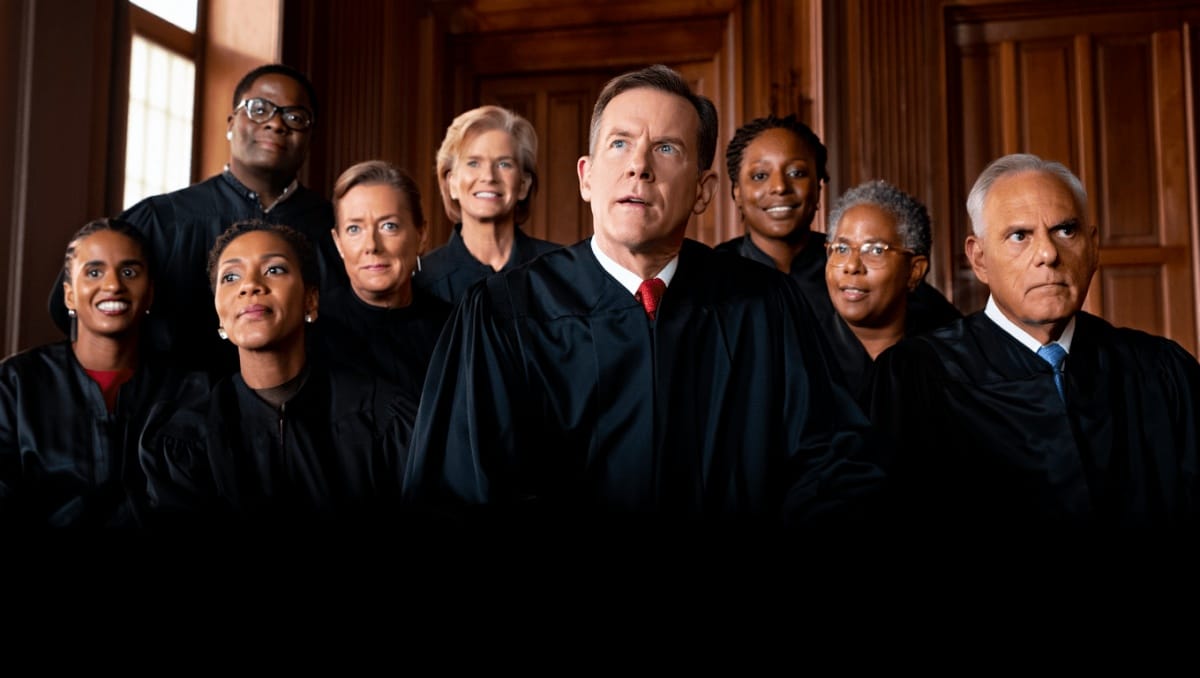
The Supreme Court’s nine-judge bench signalled on Wednesday that courts should tread carefully before second-guessing a religious group’s collective beliefs, aligning in broad terms with the government’s argument for a narrow scope of review. The exchange, heard by Chief Justice Surya Kant and eight colleagues, sharpened the test judges may apply when a state law touches rituals or practices tied to a denomination.
The bench considered submissions by the solicitor general that courts must respect the internal identity of religious communities and avoid unraveling the shared practices that define a denomination, sect or sub‑sect. The SG told the court that many faiths contain diverse subgroups with distinct rites, and that those specific practices deserve protection even when they overlap with ordinary, secular activities.
Where the line between religion and regulation becomes fragile
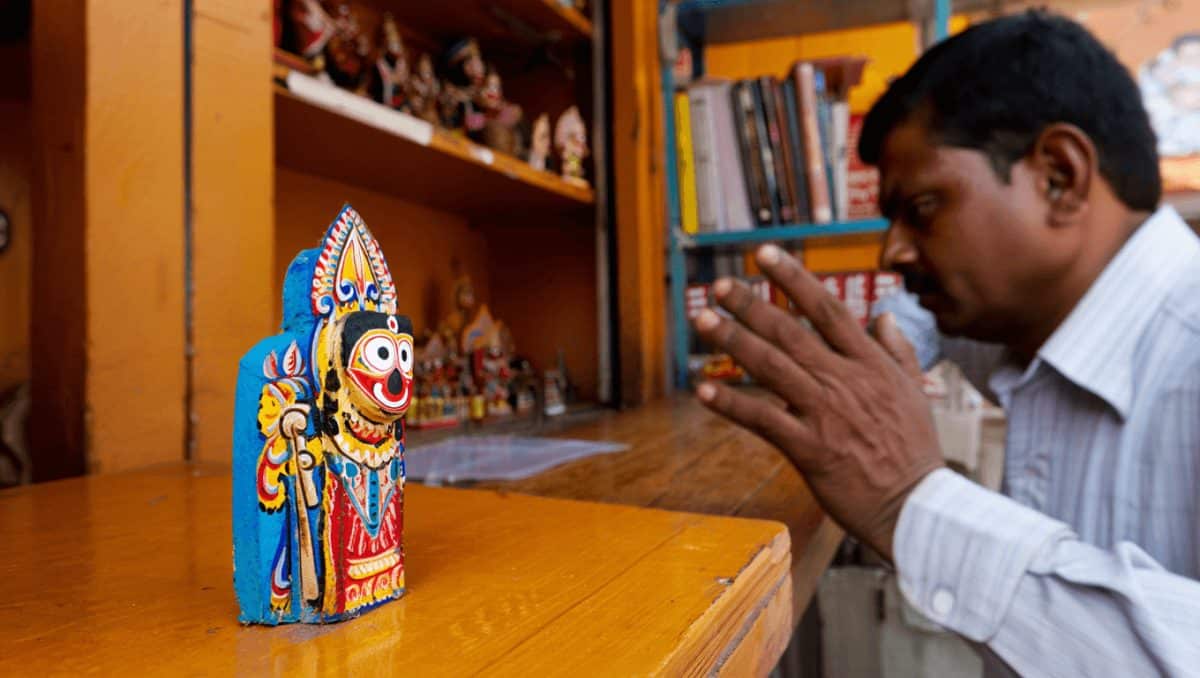
To illustrate, the solicitor general described a hypothetical in which a ritual requires lighting an oil lamp each day. Purchasing oil for lamps is a routine transaction, but when that purchase is inseparable from a ritual obligation, he argued, the state should be reluctant to restrict it. The bench’s tone suggested sympathy for limiting judicial interference in such cases.
Kashi to Kedarnath costs revealed: how much a Sawan pilgrimage will set you back
Hinduism gains ground in Africa: new communities reshape culture and commerce
Two judges on the panel — Justices B.V. Nagarathna and M.M. Sundresh — voiced agreement that constitutional courts should not interrogate the shared religious convictions of a denomination’s followers. At the same time, counsel for rationalist petitioners urged a robust view of individual conscience, saying personal belief can shift freely across traditions.
The solicitor general responded sharply to that line of argument, describing extreme fluidity of faith as unrealistic and saying someone who treats religious identity as casually interchangeable may require psychological help. The bench has reserved its decision on the broader reference that asks how faith-based practices should be weighed against fundamental rights.
Key takeaways
- Judicial review may be narrowed where a practice is integral to a faith community’s identity, even if it involves ordinary, secular acts.
- States seeking reform must anchor restrictions in constitutional grounds such as public order, morality or health, according to the government’s submissions.
- The court faces a tension between protecting collective religious practices and safeguarding individual rights and freedoms.
- The bench has not yet ruled; its forthcoming judgment could reshape how courts evaluate laws that intersect with religious customs.
Why this matters now: a narrower approach to review would make it harder for courts to strike down laws that touch religious practice, potentially limiting judicial remedies in disputes over rituals, temple management, education policies and similar matters. Conversely, a decision that emphasises individual rights could expand the court’s role in policing religiously framed restrictions.
Legal experts say the outcome will carry practical consequences for lawmakers and communities. If the court embraces the SG’s stance, legislatures will retain broader latitude to leave internal religious governance undisturbed unless the state can point to clear constitutional justifications. If the judges prioritise individual conscience, reforms affecting communal practices may face stronger judicial scrutiny.
Possible implications for stakeholders
- Religious communities: stronger protection for customary practices tied to group identity.
- Individuals within denominations: potential limits on challenges to collective rules that affect daily life.
- State governments: need to justify regulatory measures on established constitutional grounds.
- Civil society and rationalist groups: continued legal avenues to contest practices on rights-based grounds if the court leans that way.
The bench — led by CJI Surya Kant and including Justices Ahsanuddin Amanullah, Aravind Kumar, A.G. Masih, P.B. Varale, R. Mahadevan, J. Bagchi, and the two members mentioned earlier — will deliver a reserved verdict that could clarify how Indian courts balance the protection of collective religious identity with individual fundamental rights. Until that ruling, the legal boundaries remain unsettled and the stakes for faith communities, policymakers and rights advocates are high.