Show summary Hide summary
- When Sawan begins in 2026 — and why the dates differ
- Why Sawan matters: the Neelkantha episode
- Sawan Somvars 2026 — dates and core observances
- Where to go: prominent Jyotirlinga circuits for Sawan
- Kanwar Yatra 2026: scale, routes and rhythm
- Nag Panchami and Shravan Purnima: two pivotal dates
- Practical advice for pilgrims and worshippers in 2026
- Closing note
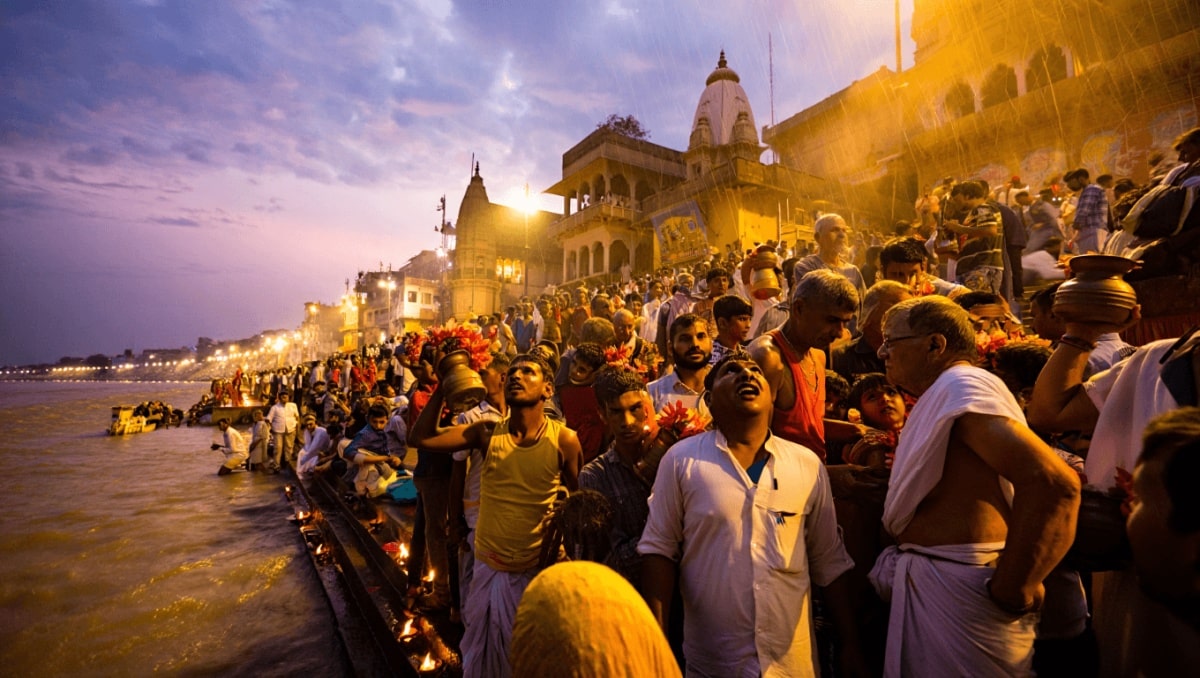
The first monsoon showers change more than the weather across much of India — they mark the start of Sawan, a month when temples swell, riverfronts fill and centuries-old rituals return to the calendar. Sawan 2026 brings two different regional start dates, major pilgrimage events and several festival peaks that matter now for anyone planning fasts, darshan or a pilgrimage.
When Sawan begins in 2026 — and why the dates differ
Sawan’s start varies because India follows two lunar reckonings. That difference affects planning for pilgrimages, temple visits and observances this year.
Kashi to Kedarnath costs revealed: how much a Sawan pilgrimage will set you back
Hinduism gains ground in Africa: new communities reshape culture and commerce
North India (Purnimanta): In states that follow the full-moon ending (Purnima), Sawan opens on Thursday, 30 July 2026 and concludes with Shravan Purnima on Friday, 28 August 2026.
South & West India (Amavasyant): In regions using the new-moon ending (Amavasya), the month begins later — Thursday, 13 August 2026 — and runs until Friday, 11 September 2026. The roughly two-week offset is traditional and observed regionally.
Why Sawan matters: the Neelkantha episode
The rituals of Sawan are rooted in the Samudra Manthan legend. During the cosmic churning, a lethal poison emerged that threatened all beings. According to the story, Shiva drank that poison and his throat turned blue, earning him the name Neelkantha.
Devotees link every act of offering water, Bilva leaves or chants in Sawan to that moment: pouring holy water over a Shivalinga symbolically cools the poison and expresses gratitude to Shiva for protecting the universe. That myth explains why Jalabhishek and Bilva offerings carry special emphasis through the month.
Sawan Somvars 2026 — dates and core observances
Each Monday in Sawan is observed as a dedicated fast and puja — called Sawan Somvar — and many devotees mark all four.
North India Somvar dates (Purnimanta):
- First Somvar — Monday, 3 August 2026
- Second Somvar — Monday, 10 August 2026
- Third Somvar — Monday, 17 August 2026 (coincides with Nag Panchami this year)
- Fourth Somvar — Monday, 24 August 2026
South & West India Somvar dates (Amavasyant):
- First Somvar — Monday, 17 August 2026
- Second Somvar — Monday, 24 August 2026
- Third Somvar — Monday, 31 August 2026
- Fourth Somvar — Monday, 7 September 2026
Four essential Sawan rituals
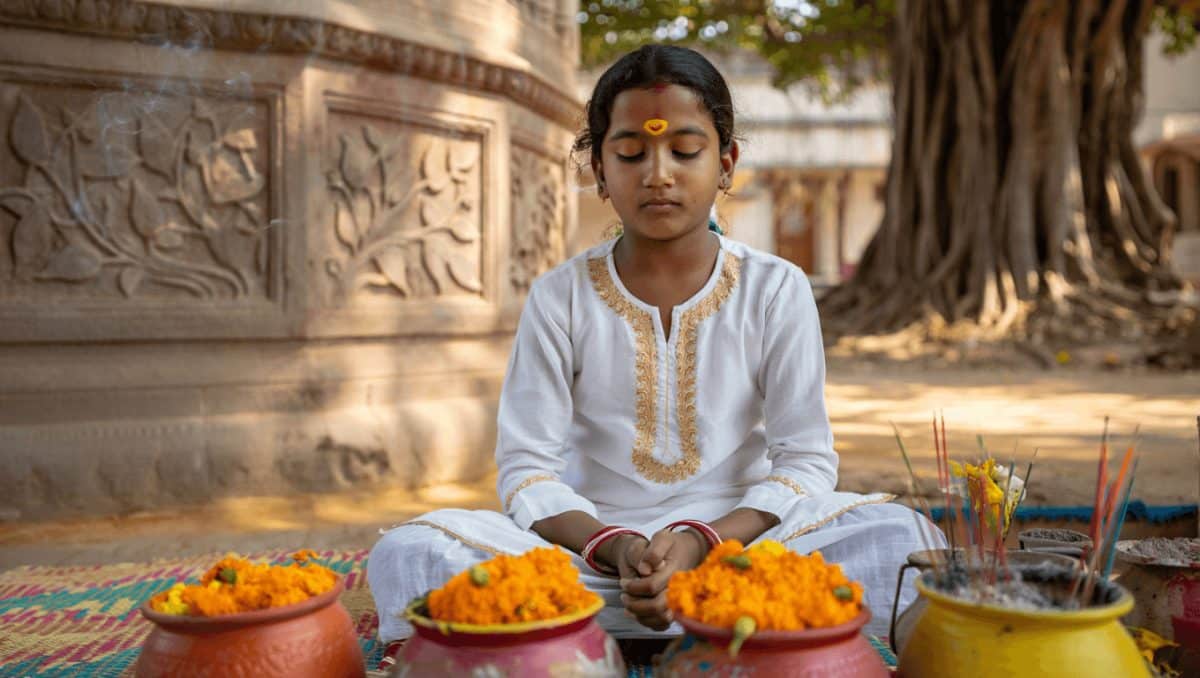
- Jalabhishek — Pouring sacred water, ideally Gangajal, gently over the Shivalinga while reciting Shiva mantras.
- Rudrabhishek — A Vedic ceremony led by priests using the Rudram, with Panchamrit and traditional offerings for purification and blessings.
- Bilva Patra Arpan — Offering Bilva (Bel) leaves, often in counts like 108, each placed with care as an act of devotion.
- Maha Mrityunjaya Jaap — Repetition of the Mahamrityunjaya mantra, commonly chanted in sets of 108 for protection and well-being.
Typical Vrat (fasting) guidelines
- Maintain a vegetarian, sattvic diet during the fast; many avoid onion and garlic.
- Refrain from alcohol and meat; some traditions also omit certain leafy greens.
- Avoid cutting hair or nails; observe truthfulness and restraint in speech.
- Break the fast after evening puja and Aarti, according to local custom.
Where to go: prominent Jyotirlinga circuits for Sawan
For many devotees, visiting a Jyotirlinga during Sawan is the spiritual high point of the year. These temples draw huge numbers and require planning for darshan and accommodation.
Highlights this Sawan:
- Mahakaleshwar, Ujjain (Madhya Pradesh) — Known for the early-morning Bhasma Aarti; large processions on Somvars.
- Kashi Vishwanath, Varanasi (Uttar Pradesh) — The city’s ghats and lanes come alive; Mangala Aarti at dawn is considered especially auspicious.
- Baidyanath Dham, Deoghar (Jharkhand) — The terminus of the massive Kanwar movement that draws millions from Sultanganj each year.
- Omkareshwar (Madhya Pradesh) — A sacred island on the Narmada; popular for parikrama walks.
- Somnath (Gujarat) — Coastal Jyotirlinga with a long historical arc and evening ceremonies by the sea.
For pilgrims considering an extended circuit, the complete set of twelve Jyotirlingas remains the lifetime goal for many. Expect heavy crowds and plan travel, accommodation and temple bookings well in advance.
Kanwar Yatra 2026: scale, routes and rhythm
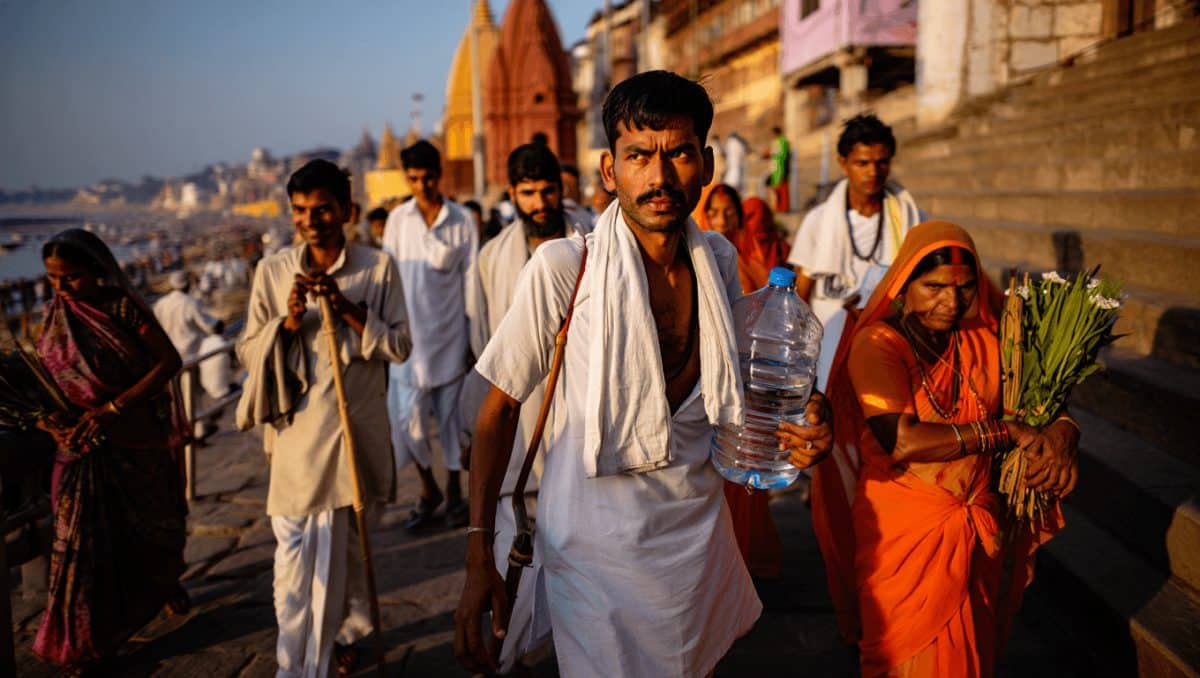
The image most associated with Sawan — barefoot devotees carrying decorated canisters of Gangajal — belongs to the Kanwar Yatra. Authorities estimate millions will take part in 2026, making it one of the world’s largest annual faith processions.
Principal routes:
- Haridwar to towns in western Uttar Pradesh and Delhi — devotees collect water at Har Ki Pauri.
- Sultanganj to Deoghar — the 105-kilometre route that feeds the Baidyanath shrine.
- Regional ‘dak’ routes from glacial sources such as Gangotri to local temples.
Three common forms of the Kanwar:
- Saadharan — paced walking with rest stops.
- Dak — continuous carrying without letting the Kanwar touch the ground.
- Baithi — carried while seated on a decorated support.
Sawan Shivratri (a focal night for many Kanwariyas) falls on Tuesday, 11 August 2026 in North India — traditionally regarded as an extremely auspicious moment for offering Gangajal.
Nag Panchami and Shravan Purnima: two pivotal dates
Nag Panchami this year coincides with a Somvar — Monday, 17 August 2026 — increasing its ritual importance. Worship of serpent deities, milk offerings at anthills and remedies for certain astrological doshas are commonly observed.
Shravan Purnima, which also aligns with Raksha Bandhan in North India, marks the close of Sawan on Friday, 28 August 2026. For many traditions this day carries multiple rites, including Upakarma for Vedic households and final Rudrabhishek ceremonies.
Practical advice for pilgrims and worshippers in 2026
With heavy monsoon traffic and large crowds at major shrines, planning matters more than devotion alone. A few practical points:
- Book accommodation and special darshan slots early; expected demand is high for Jyotirlinga temples.
- Carry rain protection and lightweight shelter — monsoon rains can interrupt routes and queues.
- For Kanwar participants, arrange medical checkpoints, emergency contacts and hydration supplies.
- Respect local customs at each shrine: dress codes, offerings protocols and handed-down rituals vary by region.
Closing note
Sawan is a concentrated window of devotion — a month of fewer occasions but heightened spiritual focus. Whether you observe the full fasts, travel to a Jyotirlinga, or perform a quiet Jalabhishek at home, the essence of the month is intention: a simple offering made with attention is the core observance.
May this Sawan bring safety to pilgrims and meaning to practitioners. Har Har Mahadev. Om Namah Shivaya.