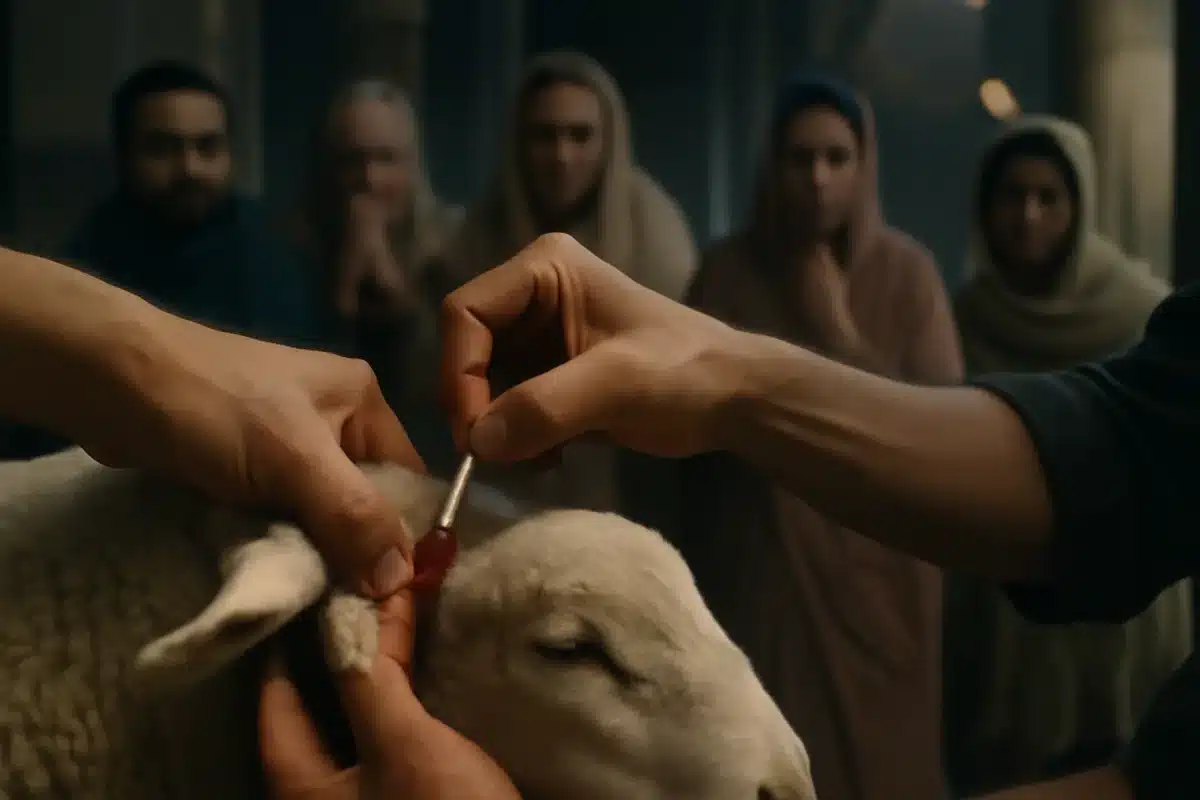
The ritual of offering animal blood at certain Karnataka temple festivals is being reshaped: instead of slaughter, priests now draw a tiny amount of blood with a syringe and present it to the deity. The change, adopted at several long-running jatras, aims to preserve ritual continuity while complying with a decades-old state ban on animal sacrifice.
At the nine-day Hari Jatre in Gadag this week, organisers demonstrated the modified ritual by taking a single droplet of blood from lambs with a syringe, rather than cutting the animal. Festival officials say the move keeps the symbolic act intact and reduces suffering, and that similar practices have been used at high-profile events such as the Sirsi Marikamba jatra for more than a decade.
Pastor arrested in police sweep of 10 over alleged mass conversion attempt
Actors spotlight India’s changing identity: food, family and newfound civic voice
Fakkirappa Hebsur, chairman of the Hari Jatre committee in Gadag, described the temple’s long history and the decision to change methods. He said elders remembered a time when larger quantities of blood were offered, often after a small cut to the animal’s ear. The committee, he added, began using syringes in 2008 to minimize harm; this year they limited the offering to a single drop.
Not everyone frames the shift purely as a religious concession. For organisers, it is also a practical response to the state’s legal framework: the Karnataka Prevention of Animal Sacrifices Rules, 1963 criminalise the killing of animals for ritual purposes and carry potential fines and imprisonment. That legal backdrop has pushed many temple committees to find alternatives that maintain devotional intent while avoiding prosecution.

Dayananda Swamiji, head of the Vishwa Prani Kalyana Mandali in Bengaluru, who has campaigned against animal sacrifice at jatras, praised the syringe method as a pragmatic compromise. He said the approach helps bridge devotees’ religious sentiments and the law, while his organisation continues to promote non-animal offerings such as fruits, turmeric and vermilion as longer-term replacements.
Temple leaders and activists point to a slow, uneven shift across districts: some communities have fully embraced symbolic substitutes, others still prefer minimal-blood rites. The Gadag event — held only once every 18 years in that town — attracts devotees across castes and faiths, increasing the sensitivity around ritual changes.
- Legal context: Animal sacrifice is banned under Karnataka rules dating to 1963; penalties include fines and possible imprisonment.
- Local practice: Several temples, including Sirsi Marikamba, have used syringe-extraction for over ten years to limit animal suffering.
- Religious continuity: Committees say tiny blood offerings preserve the rite’s symbolism for devotees while avoiding a full slaughter.
- Alternatives promoted: Religious welfare groups recommend plant-based offerings — pumpkins, turmeric, kumkum — as permanent substitutes.
Reaction among worshippers is mixed. Some see the syringe method as an acceptable modernization that respects both faith and animal welfare. Others, including a minority of traditionalists, consider any departure from historical practice unsettling. Committee members say they balance these views by consulting elders and clergy before changing rituals.
How this model plays out elsewhere will matter beyond Karnataka. Where festivals draw large crowds and media attention, pressure to comply with animal-protection laws is greater, and organizers face both legal scrutiny and ethical expectations from urban audiences and animal-rights groups.
For now, the syringe approach offers a middle path: it allows temples to maintain ritual formality, acknowledges evolving public attitudes toward animal welfare, and reduces the legal risk tied to open sacrifice. Whether it becomes a permanent norm or a transitional compromise will depend on local acceptance and continued engagement between religious bodies and advocacy groups.
Key stakeholders to watch
| Group | Interest | Likely action |
|---|---|---|
| Temple committees | Preserve ritual practice; avoid legal problems | Adopt symbolic methods; consult elders |
| Religious welfare organisations | End animal sacrifice; promote alternatives | Advocacy, outreach, offering substitutes |
| Devotees and local communities | Maintain tradition; express moral concerns | Debate and gradual acceptance |
| State authorities | Enforce anti-sacrifice laws; public order | Monitoring, occasional enforcement actions |
As festival season continues across the state, expect more discussions in temple halls and public forums about how far rituals can change without losing their religious meaning. The syringe method is one conservative, legally informed compromise — its wider adoption will depend on local sentiment and continued dialogue between tradition-bearers and reformers.