
Show summary Hide summary
Recent attacks on temples and homes in Pakistan and Bangladesh, together with the Taliban’s return to power in Afghanistan, have reignited a decades‑long crisis for religious minorities across South Asia. The incidents signal immediate security and humanitarian consequences for thousands—and they sharpen an urgent question: which countries will offer safe haven?
Mass displacement and communal violence have shaped the region since the 1947 partition and again during the 1971 war that led to Bangladesh’s independence. Those events left deep demographic scars and established patterns of targeted assaults on minority communities that continue to surface today.
CAA urgency spikes after South Asia unrest: what citizens need to know
Glass shard in school snack sparks probe: book from another faith fuels parent outrage
Fresh flashpoints
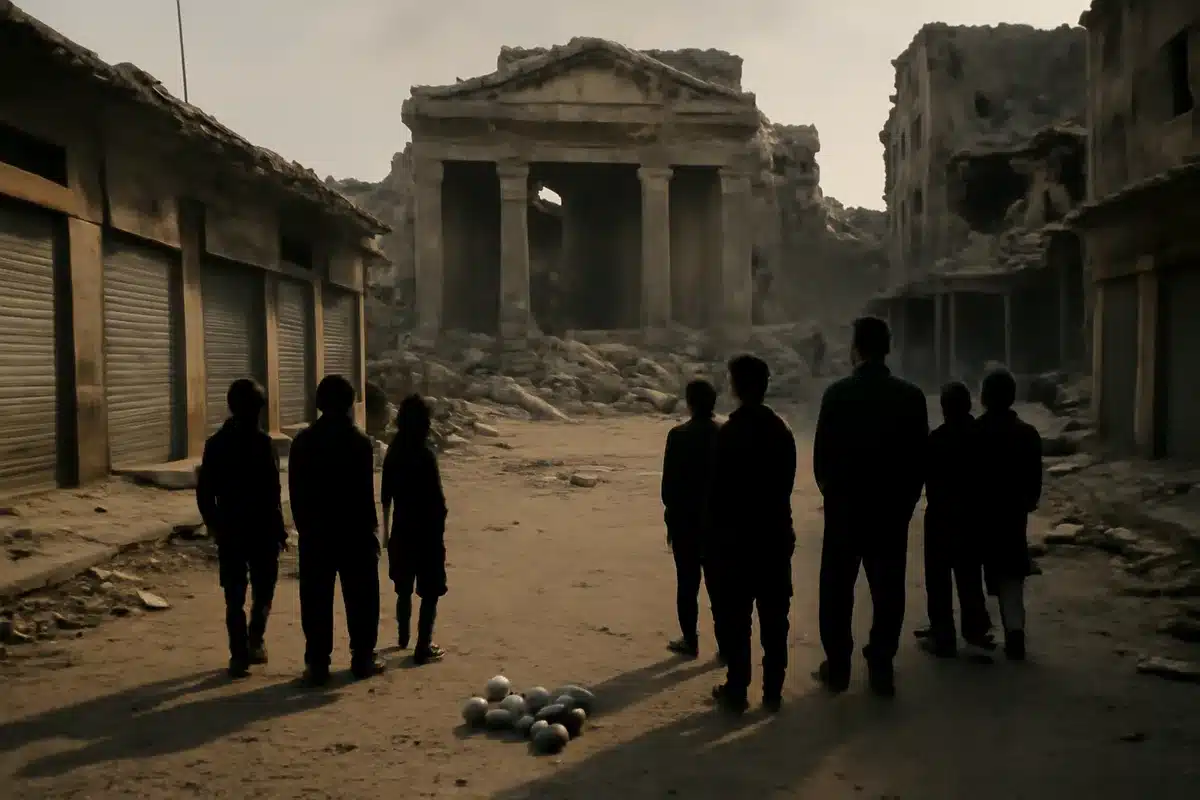
In the past weeks authorities and rights monitors documented coordinated mob attacks that damaged places of worship and civilian property—events that echo older cycles of communal unrest rather than isolated outbreaks.

- Early August: Authorities say a large crowd attacked a Hindu temple and nearby homes in Punjab province, Pakistan, following allegations connected to an alleged blasphemy case involving a minor.
- Days later in Khulna District, Bangladesh, multiple temples, shops and residences were reportedly looted and vandalized after a local religious procession; several sacred images were desecrated.
- Local media and rights groups also reported abductions and sexual violence targeting girls from minority families—patterns that observers say persist with alarming frequency.
These episodes are being reported against a backdrop of long-term vulnerabilities: analysts point to periodic waves of attack on communities’ homes, businesses and temples, and to recurring failures by local institutions to offer consistent protection.
Afghanistan’s collapse and regional ripple effects
The withdrawal of international forces from Afghanistan and the swift rise of the Taliban have intensified fears among non-Muslim communities in the country and beyond. Historically significant populations of Hindus and Sikhs in Afghanistan have shrunk dramatically over decades; the community now numbers only in the hundreds, according to estimates by analysts and community leaders.
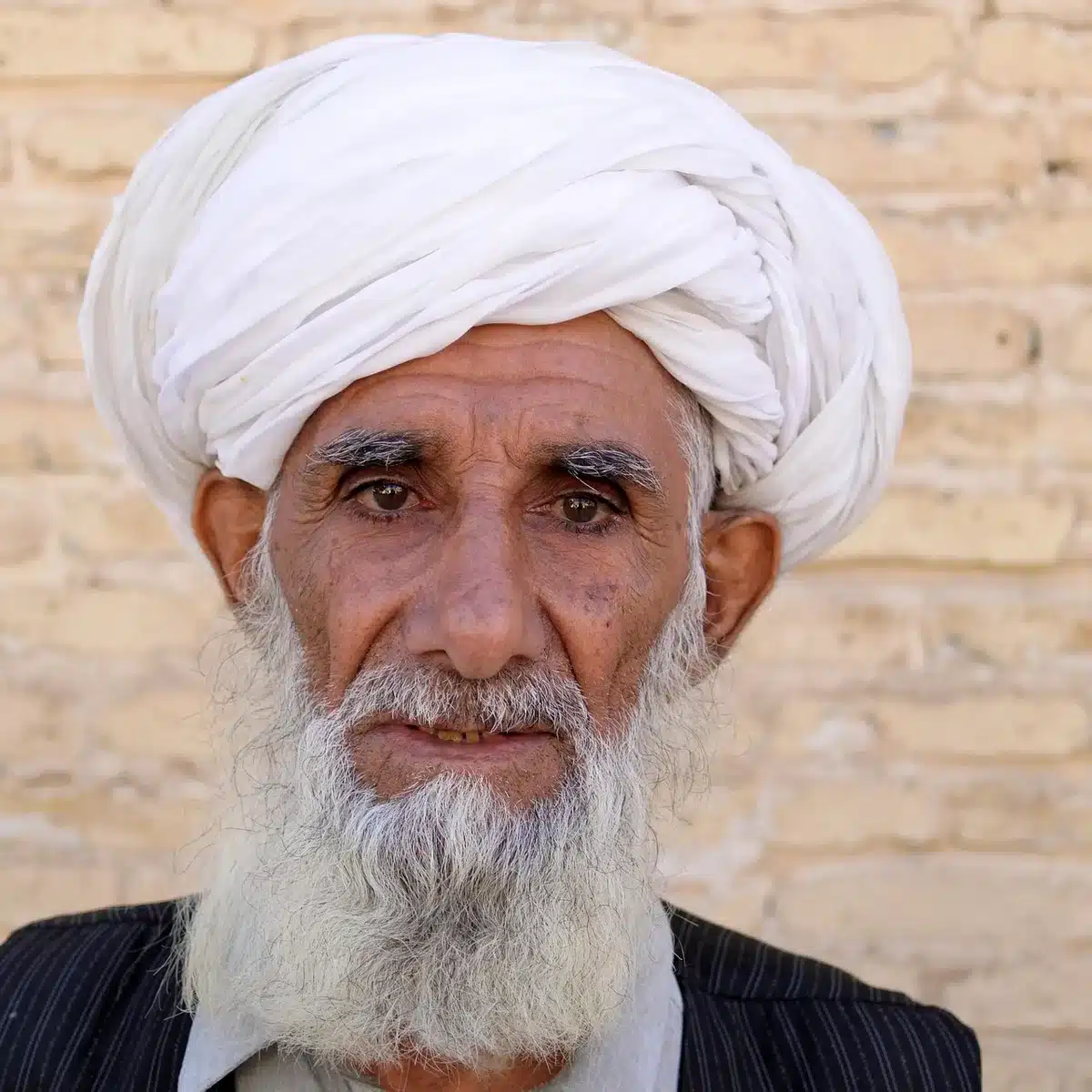
Community representatives in Afghanistan have appealed for evacuation and resettlement options. Canada has pledged to accept tens of thousands of refugees from the crisis, and New Delhi has said it would support repatriation of Afghan Hindus and Sikhs. By contrast, Washington’s response has been limited, prompting criticism from advocacy groups urging clearer commitments to those at immediate risk.
India’s policy response and controversy
India enacted the Citizenship Amendment Act in late 2019 to offer a fast track to citizenship for certain migrants from Pakistan, Bangladesh and Afghanistan who belong to non‑Muslim faiths and arrived before 2015. Supporters describe it as a humanitarian measure for persecuted communities; critics argue it discriminates on the basis of religion and excludes Muslim refugees.
Implementation of the law has been delayed: New administrative rules remain pending, and the government has cited the COVID‑19 pandemic and legal challenges while seeking more time to finalize procedures. Advocates for minorities say the current scope may not cover people who fled persecution after 2015 and that the law’s political baggage has limited international backing for India’s refugee policy.
What this means now
The convergence of ongoing communal violence, a precarious situation in Afghanistan, and uneven responses from neighboring states increases the urgency for coordinated, credible protection mechanisms.
- Immediate risk: Targeted attacks and abductions place individuals and families at direct danger and can trigger larger displacements.
- Policy gaps: Delays in implementing refugee pathways and international reluctance to accept evacuees leave many without practical options.
- Regional stability: Continued persecution and forced migration could exacerbate tensions between states and within communities across South Asia.
Humanitarian organizations and legal experts say effective responses will require clear evacuation channels, timely asylum procedures, and stronger protection of places of worship and minority neighborhoods. Observers caution that legal reforms aimed at offering refuge need international engagement to prevent further politicization and to ensure protection reaches those most at risk.
The recent incidents are a reminder that historical tragedies—partition and the 1971 war among them—are not merely events of the past but precedents that shape current threats. How governments and the international community respond in the coming weeks will determine whether vulnerable communities find routes to safety or face renewed cycles of displacement.