Show summary Hide summary
- Why it matters now
- Three Ranganatha shrines on the Kaveri
- Temple 1 — Adi Ranga: Srirangapatna
- Temple 2 — Madhya Ranga: Shivanasamudra
- Temple 3 — Antya Ranga: Srirangam
- How to structure the visit
- Route and logistics
- Practical checklist
- Festival timing and best months
- Access and transport options
- Short FAQs
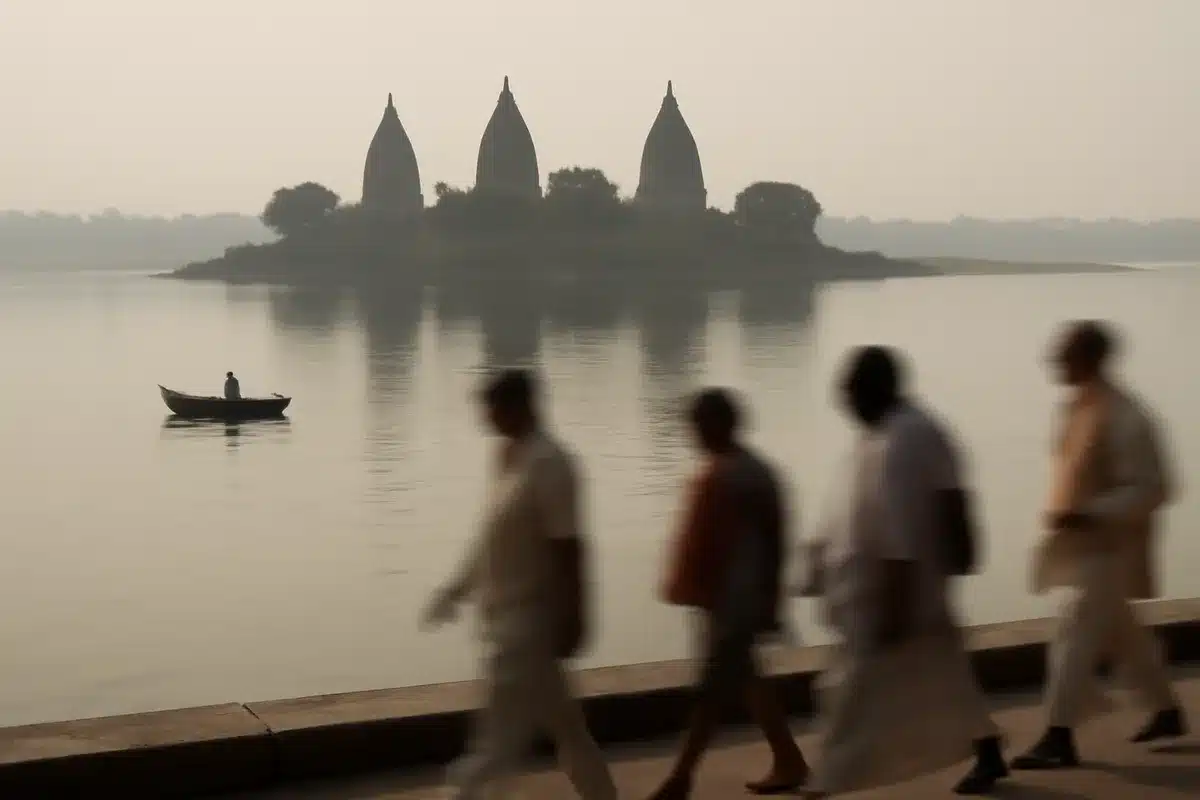
Three major temples of Ranganatha sit like milestones along the Kaveri: one at the river’s source, one where it splits into waterfalls, and one at its wide island mouth. Known as Triranga Darshan, the one-day vow to visit all three is still practised by pilgrims and travellers who want to trace the river’s spiritual geography in a single, demanding stretch.
Why it matters now
CAA urgency spikes after South Asia unrest: what citizens need to know
Glass shard in school snack sparks probe: book from another faith fuels parent outrage
Improved highways and faster train links have made the Triranga route reachable as a day trip from Karnataka and Bangalore, yet the itinerary remains a test of timing and temple protocol. For anyone planning religious travel across southern India, understanding the logistics — opening hours, sevas, and seasonal pressures — is as important as the devotional intent.
Three Ranganatha shrines on the Kaveri
The three sites commonly visited in the Triranga vow are located downstream from Mysuru: Srirangapatna (the first pause), Shivanasamudra (the mid‑river island and waterfall), and Srirangam (the great island temple near Tiruchirappalli). Each temple presents the deity reclining on Adisesha, but their settings, architecture and visiting conditions are distinct.
Temple 1 — Adi Ranga: Srirangapatna
Location: Island town near Mandya, about 15 km from Mysuru and roughly 125 km from Bangalore via the expressway.
Background: The site is traditionally linked to sage Gautama and is believed to be where the deity first rested on the Kaveri. Archaeological records point to early medieval foundations with later Hoysala and Vijayanagara additions; the Wodeyars and later rulers patronised the shrine.
What to expect: A compact Hoysala–Vijayanagara complex: Ranganatha faces east, flanked by Sri Devi and Bhu Devi; a separate shrine houses Ranganayaki Thayar. The atmosphere is village‑temple calm compared with larger complexes downriver.
Practical: Typical visiting hours are morning and evening; small sevas and archana are available at nominal fees. Nearby stops for those extending the trip include Nimishamba Temple and the confluence (Sangama) for the Kaveri arghya.
Temple 2 — Madhya Ranga: Shivanasamudra
Location: The island between the twin falls of Gaganachukki and Bharachukki, in Mandya district.
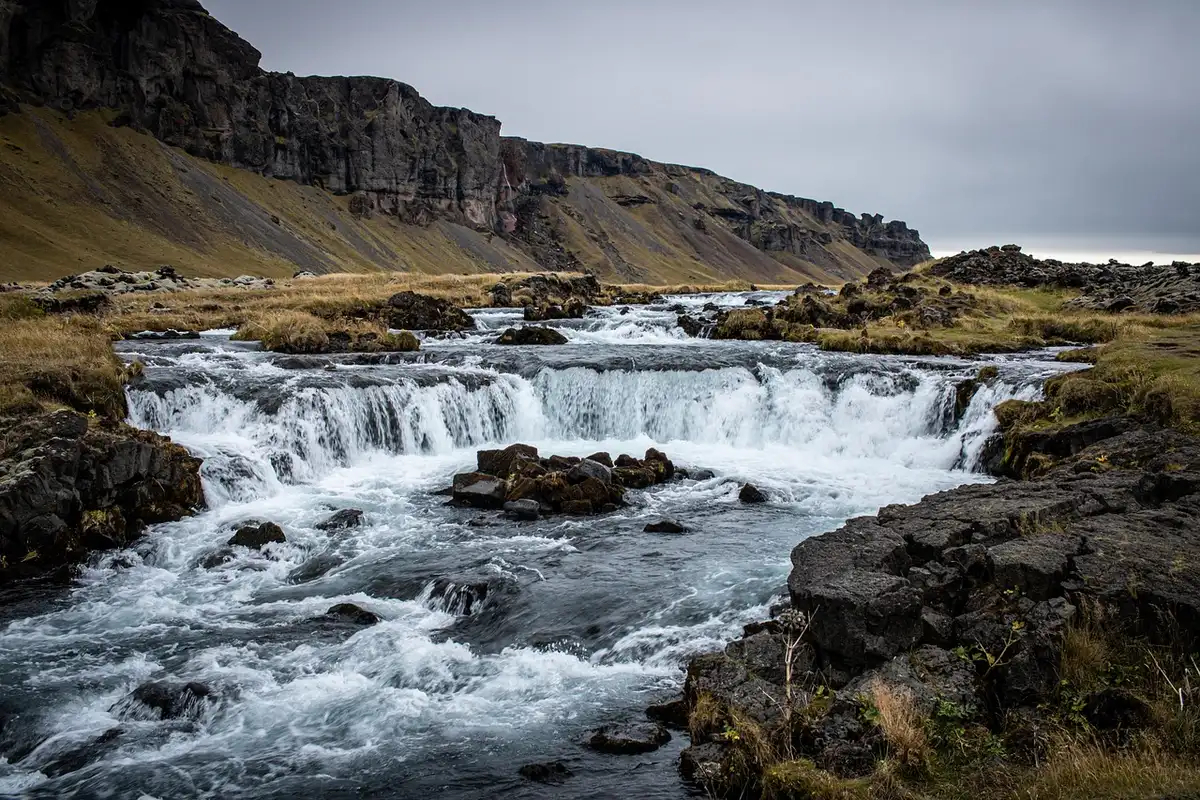
Background: The temple sits where the river splits and drops; its modest shrine has layers of Ganga and Hoysala-era patronage and later support from regional rulers. The locality is also historically notable for one of Asia’s earliest hydroelectric plants, visible near the falls road.
What to expect: A serene, small temple precinct where the sound of water dominates. Pilgrims often remember this darshan for its quiet and intimacy — but time here must be managed carefully on a one‑day run.
Practical: Open in two daily blocks. Simple sevas and a brief abhisheka can usually be arranged at the counter.
Temple 3 — Antya Ranga: Srirangam
Location: The river island in Tiruchirappalli, Tamil Nadu — the largest and most complex of the three.
Background: Srirangam is the most celebrated of the three: a Divya Desam sung by the Alvars and enlarged over a millennium by Chola, Pandya, Hoysala and Vijayanagara patrons. The temple’s south‑facing sanctum is linked in legend to Vibhishana and the Ramayana.
What you will see: A sprawling complex with seven concentric enclosures, scores of shrines and one of Asia’s tallest temple towers. The inner sanctum offers a brief but powerful darshan of Ranganatha in lamplight; special crowds and ritual timetables apply on festival days.
Practical: Regular free entry is available, though queues can be long; a paid special entry lane shortens wait times and accepts online bookings for busy days.
How to structure the visit
There are three common approaches depending on fitness, company and time.
- One-day from Mysuru — Depart early (around 6:30 AM), visit Srirangapatna at opening, stop for a quick breakfast near Malavalli, take an hour at Shivanasamudra, then drive across Mettur and Salem to reach Srirangam in the late afternoon for evening darshan. Expect a long day on fast highways and narrow stretches.
- One-day from Bengaluru — Start before dawn (around 4:30 AM) to use the Bengaluru–Mysuru Expressway and follow the same sequence. This is the tightest option and leaves little margin for delays.
- Two-day (recommended for families and elders) — Split the journey: Day 1, Srirangapatna and Shivanasamudra, halt near Mysuru or Maddur; Day 2, reach Srirangam by mid‑morning or take an early Viswarupa darshan at first light. This reduces walking rush and allows time inside Srirangam’s inner prakaras.
Route and logistics
- Bengaluru–Mysuru Expressway: a faster, tolled corridor that shortens approach to Srirangapatna.
- State highways between Srirangapatna and Shivanasamudra are narrow and can be slow behind agricultural traffic.
- The stretch through Kollegal and Mettur varies in condition; Mettur Dam is a convenient brief stop.
- From Mettur to Trichy the national highway is largely four‑lane and enables most of the day’s catch‑up driving.
- Interstate taxi permits are required for Karnataka vehicles; drivers usually carry them and a brief border check may occur at the Mettur side.
Practical checklist
- Traditional temple attire (dhoti/veshti and angavastram for men; saree or salwar for women). Srirangam enforces modest dress; avoid shorts and sleeveless tops.
- Small bag for footwear, phones and wallets; cloakroom facilities are available at Srirangam near the main tower.
- Cash (approx. Rs 2,000–3,000) for archana, prasadam, parking and small donations at subsidiary shrines.
- ID copy for special-entry counters where required.
- Water, light snacks and basic medicines or ORS for the middle leg; keep medication with the vehicle for elders.
- Wheelchair users should note Shivanasamudra has uneven stone steps; Srirangapatna and Srirangam are comparatively easier with assistance.
Festival timing and best months
- Vaikuntha Ekadashi (Dec–Jan): The Paramapada Vasal opens at Srirangam. Extraordinary atmosphere but very long queues — not ideal for completing Triranga in a day.
- Chithirai Brahmotsavam (Apr–May): Major chariot festival at Srirangam; plan for crowding and altered schedules.
- Panguni Uthiram (Mar–Apr) and Shravana Saturdays (Jul–Aug): Local peak days at different temples.
- Kaveri Pushkaram: Held every 12 years (next scheduled in 2029) — expect all three temples to be exceptionally crowded.
- Best months: October to February for cooler weather and fuller waterfalls after the monsoon.
Access and transport options
Major airports serving the route are Bengaluru (Kempegowda) and Tiruchirappalli (TRZ); Mysuru has limited flights. Trichy Junction is the nearest major railhead to Srirangam. Roadside fuel is reliable in Mysuru, Kollegal and Mettur; plan refuelling early on one‑day runs.
Short FAQs
- Can Triranga be done in one day? Yes, with an early start and strict timing, especially if you cut short the Shivanasamudra visit.
- Must I book darshan? Free darshan is usually available; special entry at Srirangam is useful on weekends and festival periods and can be booked online.
- Which order is correct? Follow the river: Srirangapatna → Shivanasamudra → Srirangam.
- Is it elder‑friendly? Prefer the two‑day plan and ensure a comfortable vehicle; Shivanasamudra’s steps are the main challenge.
Triranga Darshan remains a compact way to experience a continuous thread of Vaishnava devotion along the Kaveri. With improved roads but unchanged ritual timetables, successful planning now balances early starts, modest expectations at each shrine, and a respect for seasonal crowds.