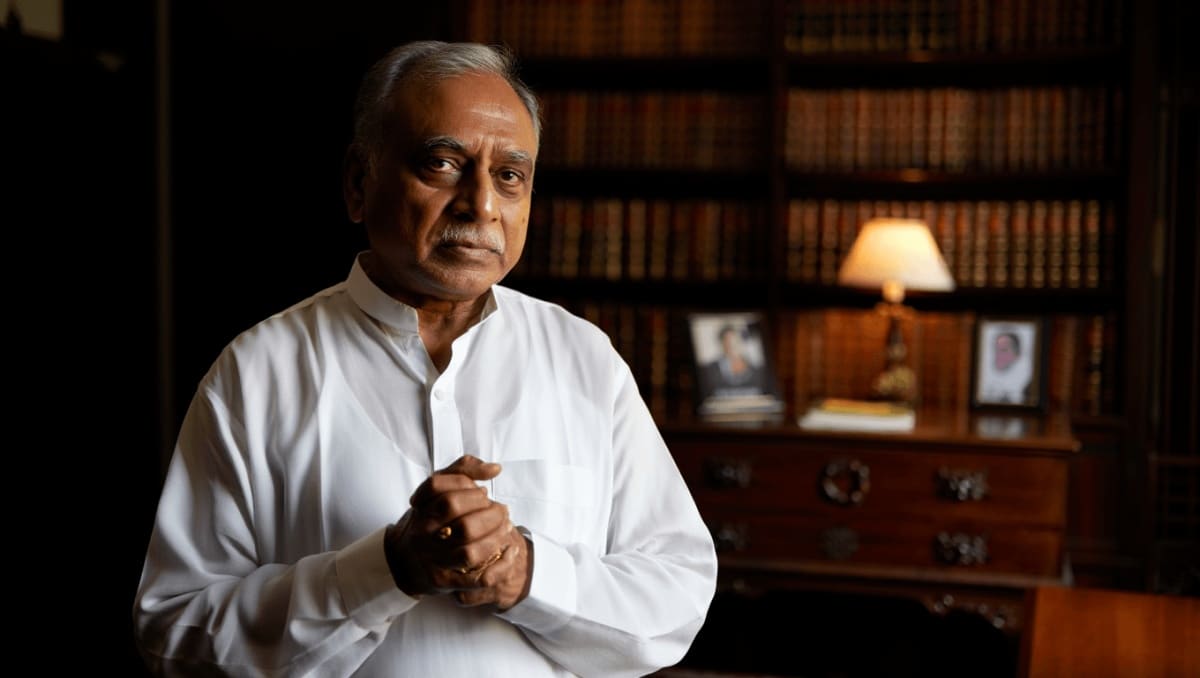
As the subcontinent moves further away from the upheaval of 1947, first-hand memories still shape how communities remember loss, survival and identity. Dr. Hiro Badlani, who left Sindh as a teenager and later built a life in India and the United States, recounts how a region long known for coexistence unraveled — and why those memories matter for communal relations and migration debates today.
Dr. Badlani remembers childhood Sindh as largely peaceful: everyday life between Hindu and Muslim neighbors ran on routines rather than rancor. He was 13 when cracks began to appear — not sudden riots at home, but political rhetoric and reports from other provinces that raised fears and hardened positions.
Local agitation, he says, compounded by alarming news from Punjab and Bengal, created an environment in which old acquaintances could no longer be taken for granted. The arrival of refugees from other parts of India after Partition changed social dynamics as well; new arrivals, carrying trauma and urgent needs, sometimes competed for properties and resources left behind.
Shah Rukh Khan used the name Abinav to ease in-law worries: Gauri adopted Ayesha during nikaah
Javed Akhtar hails Hindu festivals as cultural glue: throwback of atheist celebrating resurfaces
His family departed in November 1947. For a week they lived on the Alexandra Dock in Mumbai, dependent on relief groups for meals and shelter. A crucial turn came when his father, a railway employee, received a transfer to Ahmedabad and a modest one-bedroom flat — sparing them a prolonged stay in refugee camps and allowing a quicker, if still difficult, restart.
Rebuilding meant tough choices. As the oldest child, Badlani took on household responsibilities and small daily sacrifices to stretch limited funds. Over time the family stabilized; many Sindhi Hindus who left found unexpected opportunities in new cities and abroad, eventually becoming part of a global diaspora.
Reflecting on causes, Badlani points to long-term shifts under colonial rule. With political and administrative changes, communities that had once shared power and influence found themselves repositioned. That renegotiation of status, combined with provocative political messaging, made old accommodations fragile. He stresses the distinction between longstanding social coexistence and the political conflicts that intensified in the 20th century.
Today those events still cast a long shadow across the region. Some Hindus who remained in Pakistan live with ongoing anxiety; others who relocated have prospered internationally. For Badlani — now based in Los Angeles after decades practicing ophthalmology in Mumbai and researching Hindu traditions — the past is neither a single tragedy nor a closed chapter. It is a lived history with lessons for present-day policymaking and intercommunal relations.
Why this matters now: memories of Partition inform current debates about migration, minority rights and reconciliation between India and Pakistan. Understanding personal histories helps explain how communities adapt, why distrust lingers, and what practical steps can help heal divides.
Key takeaways from Badlani’s account:
- Pre-Partition Sindh: largely peaceful everyday life despite political shifts at higher levels.
- Escalation: regional agitation and reports of violence elsewhere eroded local trust.
- Immediate aftermath: mass movements of people altered property ownership and social networks.
- Rebuilding: many refugees faced hardship but some went on to rebuild livelihoods and create diasporic communities worldwide.
- Legacy: historical resentments and political tensions still affect minority security and cross-border relations.
What lessons does this hold for policymakers and citizens? Badlani suggests that political leadership and civic institutions play outsized roles in shaping whether communities coexist or fracture. Where leaders promote inclusive governance and protect minority rights, tensions are less likely to calcify into long-term hostility. Conversely, polarizing rhetoric can reopen old wounds.
He also points to examples outside South Asia where plural societies have maintained relative harmony, crediting pragmatic governance and accountable politics for creating space for coexistence. For individuals and families, the experience of adaptation — learning new trades, making modest sacrifices, investing in education — remains a recurrent theme in stories of recovery.
Looking forward, Badlani is cautiously optimistic. He says reconciliation depends on political rapprochement between states and on everyday choices by citizens to prioritize shared lives over inherited enmities. Until then, memories like his serve both as a warning about the costs of communal breakdown and as testimony to human resilience.
Whether viewed through the lens of history, migration studies or contemporary diplomacy, his account underscores one enduring point: the human consequences of Partition are still unfolding, and they deserve attention as South Asia and its diasporas confront the questions of identity, justice and coexistence that remain unresolved.