Show summary Hide summary
As global debates over migration and historical memory intensify, one survivor’s account of 1947 offers a stark reminder of how quickly state decisions can trigger human catastrophe. Ved Nanda’s personal story—escape from his native Gujranwala, months in a refugee camp, and a 200‑mile march to safety—connects the violence of Partition to today’s conversations about refugees, justice, and recognition.
A childhood broken by sudden violence
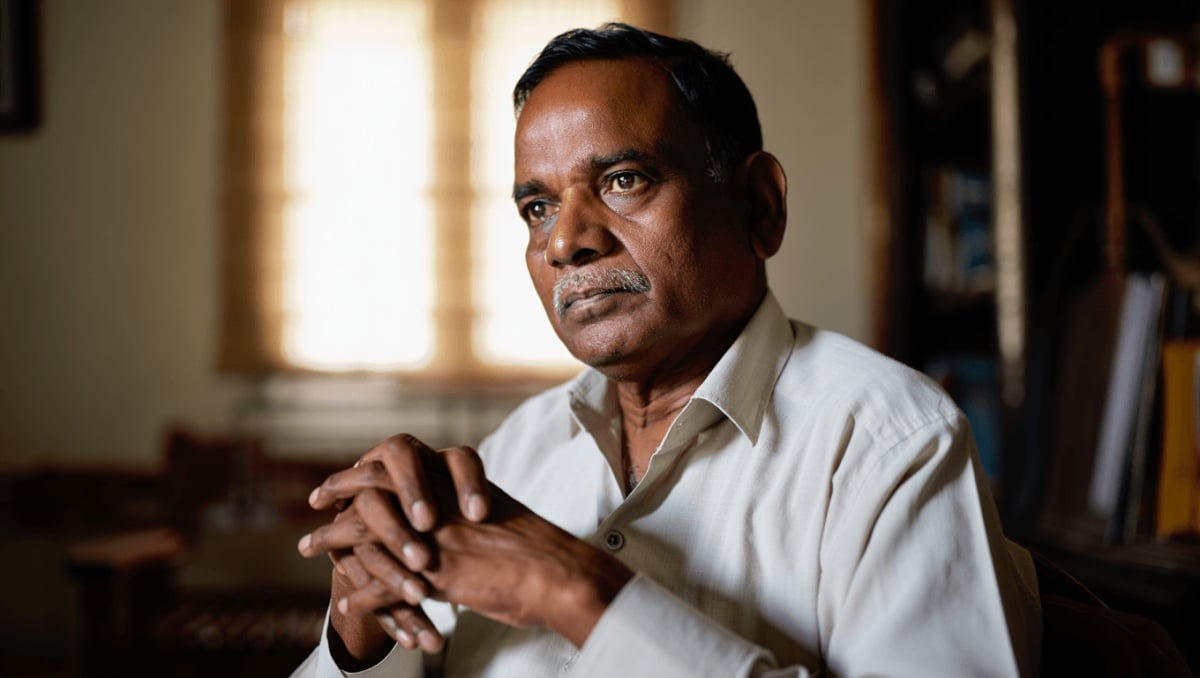
Ved Nanda was 12 when the upheaval began. He remembers ordinary days of school and play collapsing into nights of burning homes and terror from rooftops. A neighbor’s urgent warning sent him and his mother rushing to the railway station with only the clothes they were wearing and a handful of keepsakes.
Shah Rukh Khan used the name Abinav to ease in-law worries: Gauri adopted Ayesha during nikaah
Javed Akhtar hails Hindu festivals as cultural glue: throwback of atheist celebrating resurfaces
Their escape did not go smoothly. Trains were under attack, stations were dangerous, and at one junction a bomb detonated nearby. During the journey a group of armed men boarded several carriages; in the compartment where Nanda and his mother rode, a Sikh soldier’s gunfire helped deter attackers and likely saved lives. They reached Jammu with virtually nothing left.
For months they lived in a makeshift camp maintained by local Hindus while travel to East Punjab remained perilous. When they finally began the overland trek, the family walked for roughly 200 miles, meeting countless others who had been uprooted. At one point, separated and unable to communicate by post or telegraph, Nanda’s parents were presumed dead and mourned by relatives—until the family’s painful reunion in Malerkotla.
From refugee to international law scholar
The immediate challenge for Nanda’s parents was recovering enough stability to rebuild: homes, possessions and livelihoods had been lost. His father’s employment in the Indian Civil Service provided critical help in reestablishing the family in East Punjab.
Nanda went on to pursue higher education—first in India, then in the United States—earning advanced legal degrees and studying at institutions including the University of Chicago, Northwestern and Yale Law School. A career that followed combined teaching, public service and human-rights advocacy. Over decades he has received international recognition for his work, contributed columns to major newspapers, and focused his scholarship on refugees and human rights.
For Nanda, the lasting imprint of Partition is not only the physical loss but the experience of witnessing brutal scenes that no child should endure. He cites his mother’s courage during those months as a defining influence on his life’s work.
Key facts about Partition in brief
- Date and context: In August 1947, British India was divided into two independent states—India and Pakistan—following a rapid withdrawal by British authorities after World War II.
- Borders and administration: Hastily drawn boundaries, often based on outdated maps and census data, split provinces such as Punjab and Bengal and inflamed communal tensions.
- Human cost: Scholars estimate millions were displaced in one of history’s largest mass migrations; contemporary accounts report widespread killings, attacks, and large numbers of women abducted or assaulted.
- Long-term effects: The partition reshaped demographics, governance and regional relations across South Asia and left legacies of trauma still discussed in legal and human-rights forums today.
Why this history matters now
As governments, courts and communities reassess how to honor victims and address historical injustices, survivor testimonies like Nanda’s matter for more than memory. They inform policy debates on refugee protection, transitional justice, and how societies document mass violence.
Remembering Partition is not only an academic exercise; it has real implications for contemporary crises. Lessons about hurried political decisions, inadequate planning, and the human fallout of boundary-making resonate as millions worldwide face displacement from conflict, climate change and state failure.
Ved Nanda’s life—shaped by loss, persistence and a career defending human rights—reminds readers that historical catastrophes leave living legacies. Understanding these stories can sharpen responses to current humanitarian challenges and strengthen efforts to prevent repeats of such suffering.