Show summary Hide summary
Perched high on the Trikuta Hills above Katra, the Vaishno Devi cave is one of South Asia’s most enduring pilgrimage sites — a place where devotion to the Divine feminine shapes daily life for millions. Its layered myths, centuries of local stewardship and modern pilgrimage logistics make the shrine both a spiritual destination and a cultural institution whose relevance spikes every festival season.
A living expression of the Divine feminine
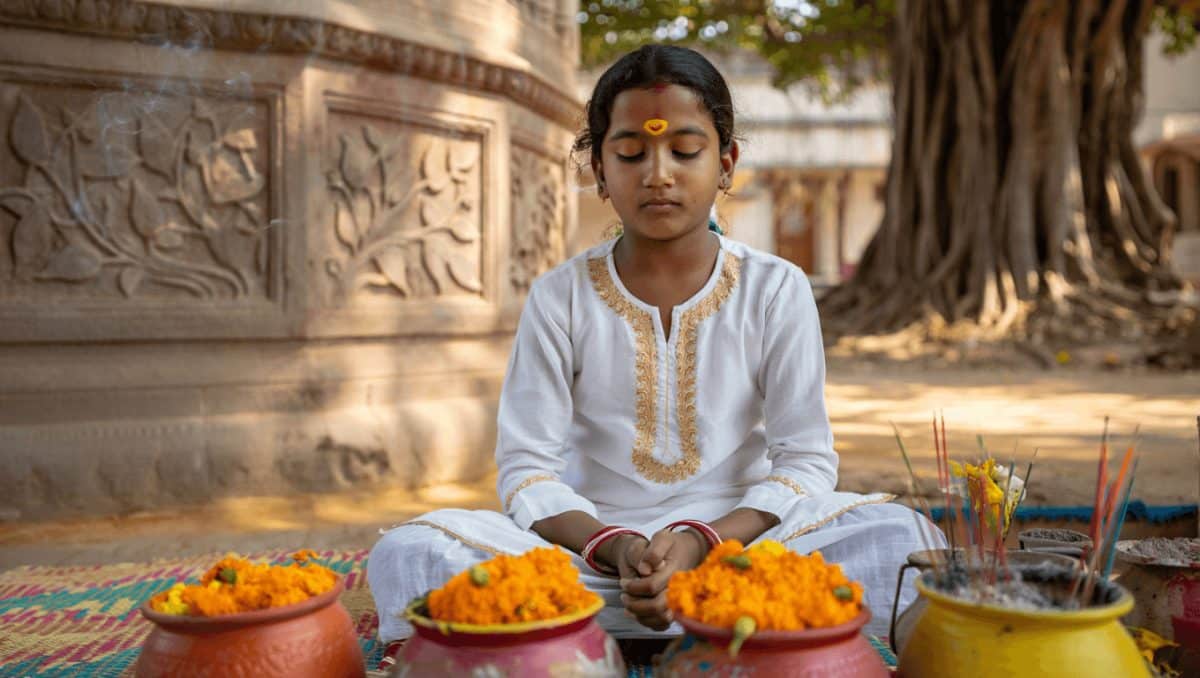
In Hindu practice, the energy and creativity of the sacred feminine is commonly called Shakti, a concept that animates many goddesses across the tradition. Vaishno Devi is worshiped as one such powerful manifestation — at once maternal, protective and transformative — and her shrine attracts devotees seeking solace, guidance and, traditionally, the fulfillment of vows.
Shah Rukh Khan used the name Abinav to ease in-law worries: Gauri adopted Ayesha during nikaah
Javed Akhtar hails Hindu festivals as cultural glue: throwback of atheist celebrating resurfaces
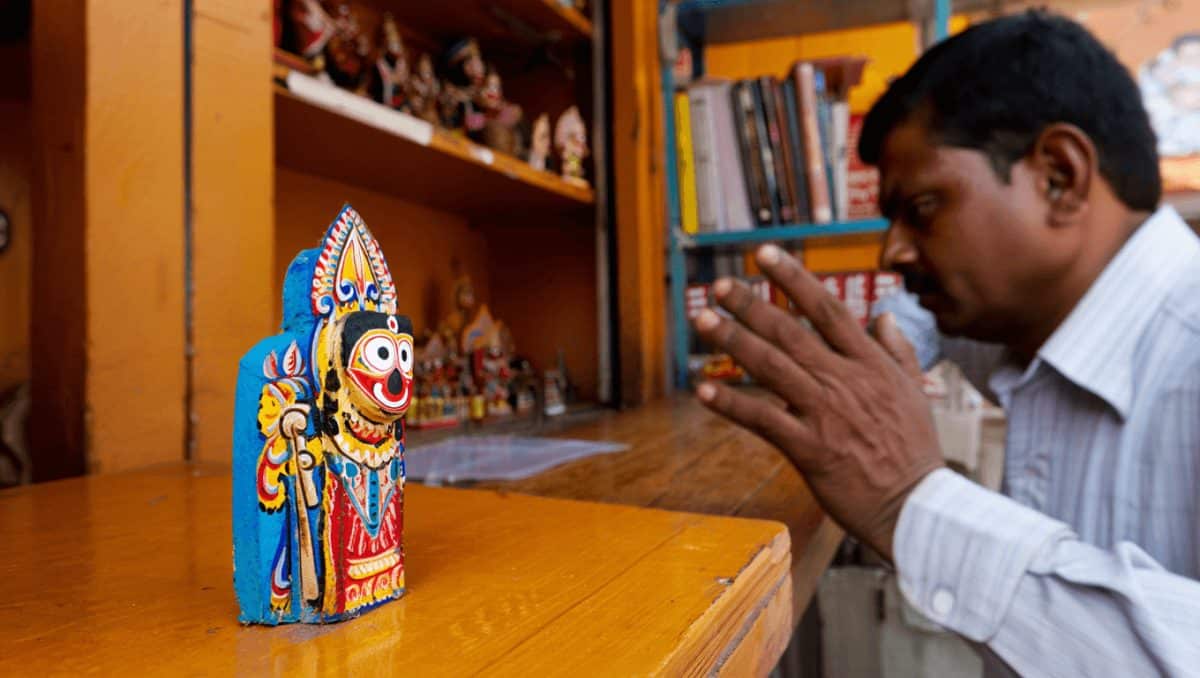
Worship at the site blends personal devotion and public ritual. Pilgrims often describe the experience in simple terms: a sense of calm, a felt blessing, and the ritual importance of having one’s darshan — the auspicious sight of the deity’s presence.
A shrine on the Trikuta Hills
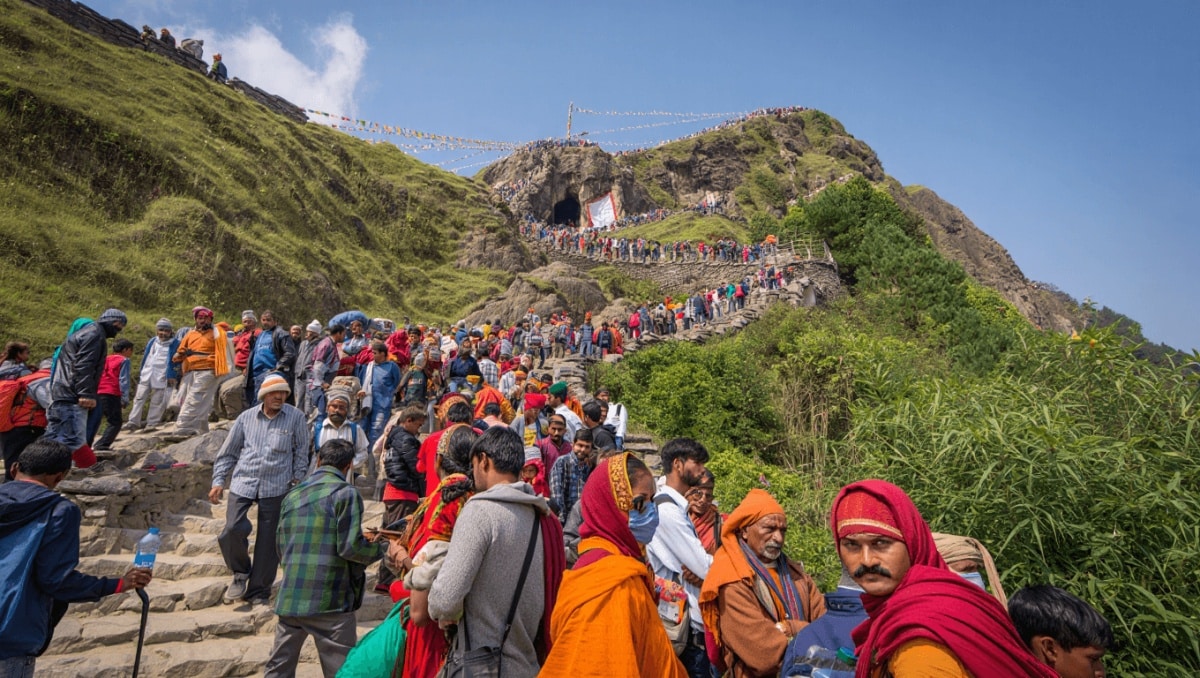
The cave sanctuary sits more than 5,000 feet above sea level and is reached by a steep trek from the town of Katra. Inside the cave are three small, naturally formed stone figures — known as pindis — which are venerated as the embodied aspects of the goddess and form the shrine’s sanctum.
Local histories and oral traditions place the cave’s rediscovery roughly a millennium ago. The modern management and development of the site accelerated in the 19th century, and state administration took a leading role in the late 20th century to handle growing numbers of visitors and the infrastructure demands that followed.
| Feature | Detail |
|---|---|
| Location | Trikuta Hills, near Katra, Jammu and Kashmir |
| Elevation | Over 5,000 feet above sea level |
| Sanctum | Three pindis representing Lakshmi, Saraswati and Kali |
| Historical stewardship | Local trust patronage from the 19th century; increased state involvement from the late 20th century |
| Visitor numbers | Millions of pilgrims annually, with major surges during festivals such as Navaratri |
| Founding legend | Associated with the devotee Sridhar and later tales involving Rama and the ascetic Bhairon Nath |
How the story is told
Accounts differ in detail — as they do with many long-lived religious traditions — but a common thread describes the goddess emerging from the combined spiritual power of other divine figures to restore balance in a troubled age. She becomes a focal point for devotion, retreats to the hills for meditation and, according to local narrative, transforms into the cave’s rock form to remain accessible to seekers.
One episode frequently recited in oral retellings involves a persistent ascetic who pursues her and is ultimately overpowered. This episode, and the subsequent transformation into the cave’s three-formed stone, are central to the shrine’s symbolism: protection, wisdom and abundant grace.
- Why pilgrims come: spiritual healing, fulfillment of vows, and the seeking of blessings for prosperity and wisdom.
- Why the site matters now: it encapsulates living traditions of goddess worship and shapes local economies, transport and social rhythms.
- Why management matters: safe access, crowd control and preservation of a fragile mountain environment are ongoing concerns for authorities and devotees alike.
Over time, institutional arrangements evolved—from traditional local trust care to larger-scale administration—to respond to rising visitor flows and the logistical challenges of high-altitude pilgrimage. These changes reflect a broader pattern seen at major religious sites worldwide where devotion and modern governance intersect.
For many pilgrims the Vaishno Devi experience is immediate and personal; for communities, the shrine is also an economic and cultural anchor. Festival peaks such as Navaratri bring large seasonal surges that test transport links, services and facilities, but also reaffirm the shrine’s centrality in contemporary Hindu practice.
Whether approached as a site of personal faith or as a subject of cultural study, Vaishno Devi remains a vivid example of how devotional traditions adapt and persist — and why the worship of the Divine feminine continues to be a vital part of everyday religious life.