Show summary Hide summary
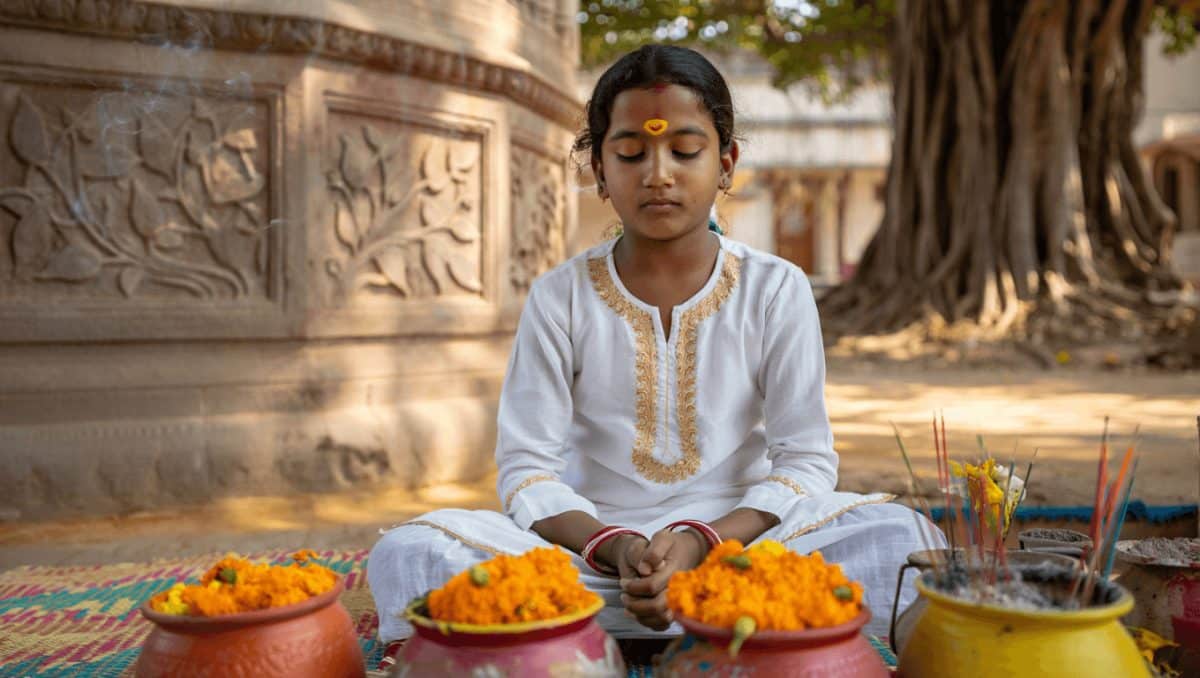
Many Hindus show devotion by walking — a practice known across South Asia that turns travel into a ritual. Among the longest and most ambitious of these journeys is the Char Dham, a four-site pilgrimage that maps Hindu sacred geography from the Himalayas to the Indian Ocean and continues to shape religious life, tourism and heritage debates today.
The act of ritual circumambulation, known as parikrama, takes many forms: a brief circuit around a shrine, a walk encircling a river or hill, or in the case of the Char Dham, a journey spanning India’s cardinal directions. Traditionally linked to the ninth-century philosopher Adi Shankara, the Char Dham system organized major monastic centers and encouraged devotees to seek blessings across diverse landscapes. Over centuries the sites acquired layered histories — scriptural, local and archaeological — that still draw millions.
- Badrinath — high-altitude shrine to Vishnu in the Garhwal Himalaya; seasonal access and deep associations with ascetic practice.
- Puri — the coastal Jagannath temple in Odisha; famous for mass festivals and an enormous communal kitchen tradition.
- Rameshwaram — island temple in Tamil Nadu tied to Shiva worship and ritual baths at multiple tirthas.
- Dwarka — the western maritime site associated with Krishna; archaeological finds offshore fuel both scholarship and public interest.
Shah Rukh Khan used the name Abinav to ease in-law worries: Gauri adopted Ayesha during nikaah
Javed Akhtar hails Hindu festivals as cultural glue: throwback of atheist celebrating resurfaces
Badrinath: a high Himalayan sanctuary
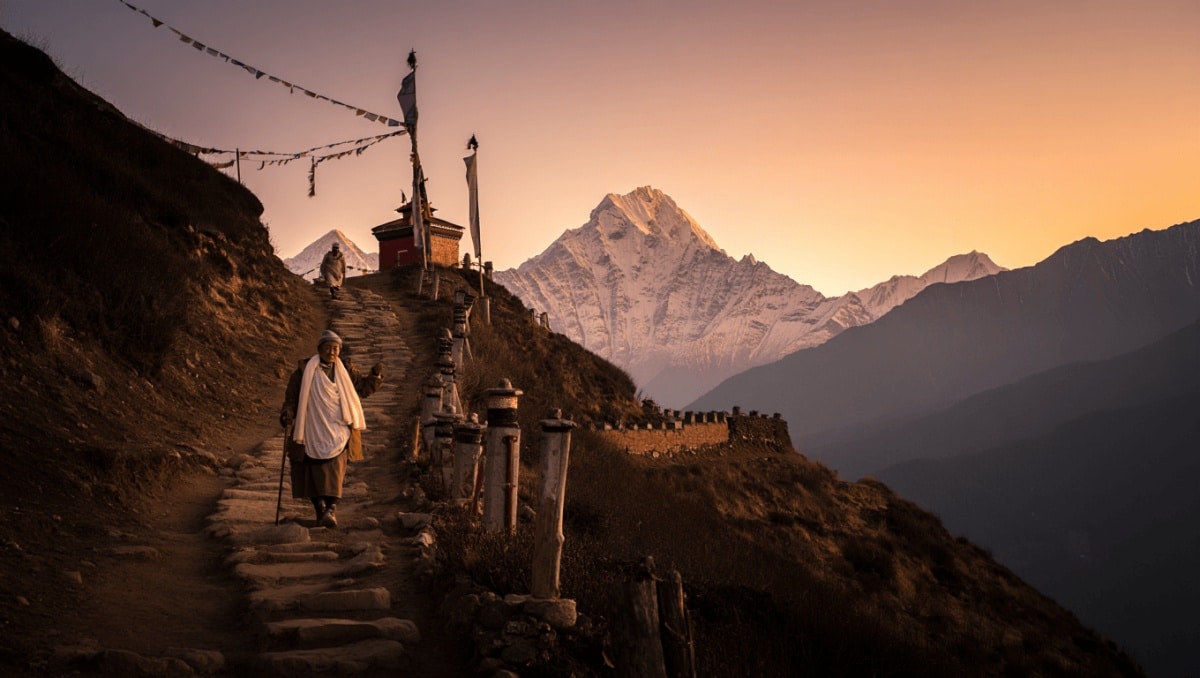
Perched above 3,000 metres on the Alaknanda River, Badrinath is compact but intensely sacred. The main image — a meditative form of Vishnu often represented by a sacred stone — anchors a landscape where rivers, cliffs and pilgrimage trails are woven into local cosmogony.
Pilgrims come for darshan, for the austere atmosphere, and for a continuity of practice traced to ancient renouncers. Winters close the route for months; that seasonal rhythm still shapes how devotees plan their visits and how local economies survive.
Puri: the festival city on Nilachala
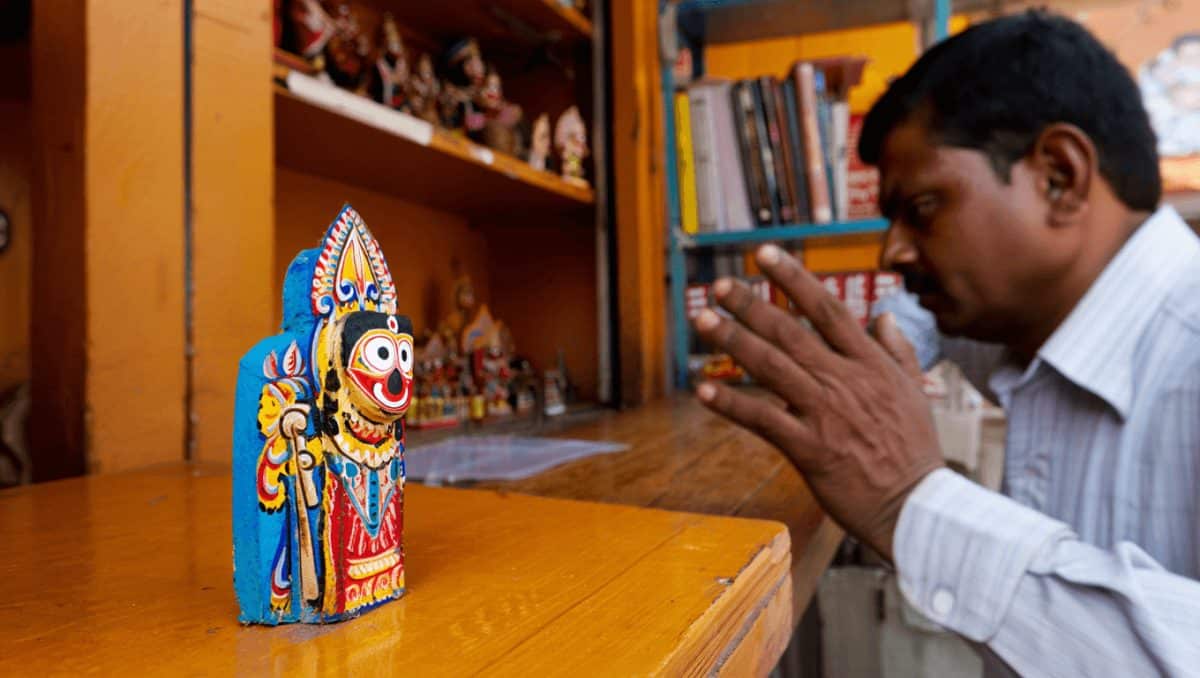
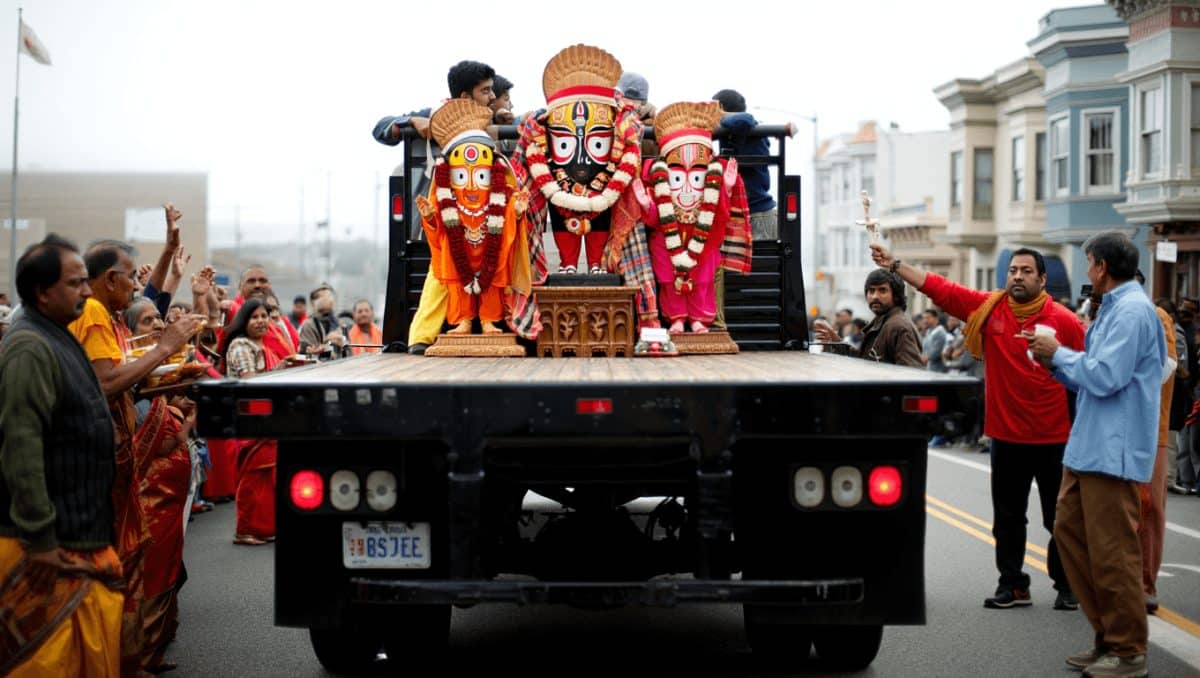
Puri’s temple complex, dominated by a towering shikhara, is both an architectural landmark and a living ritual center. The triad of Jagannatha, Baladeva and Subhadra draws huge crowds, especially during the ratha yatra when the deities are publicly processed on massive chariots.
The temple’s daily logistics are notable: extensive food preparation and distribution systems feed thousands, reflecting an institutional scale of charity and community sustenance that has persisted for centuries.
Rameshwaram: island rites and coastal stories
Rameshwaram sits on a reef-lined island off Tamil Nadu and is especially associated with Shiva worship. Devotees often perform prescribed bathings at a sequence of sacred wells before entering the inner sanctum — a ritual circuit that links personal purification to place.
Textual narratives anchor the site in epic memory, but the lived practice is immediate: pilgrims still carry water, circumambulate corridors and attend ceremonies that blend mythic time with present devotion.
Dwarka: Krishna’s city and submerged remains
Along Gujarat’s coast, Dwarka presents a royal image of Krishna — a four-armed deity presiding over a temple whose flag can be seen far out to sea. Local traditions assert the city’s ancient grandeur; maritime surveys in the late 20th and early 21st centuries have uncovered submerged structures that have intensified both scholarly inquiry and popular imagination.
Whether those finds prove specific legendary claims matters less to many pilgrims than the temple’s spiritual presence. Still, the intersection of archaeology, myth and tourism raises questions about conservation and interpretation.
What connects these four sites is not only theology but a pattern of movement: devotees, monks, traders and later tourists have all remade routes and local economies. Today that movement has practical implications — road and rail upgrades, crowd management during festivals, and conservation challenges for fragile environments such as high-altitude approaches or coral-fringed coasts.
For readers interested in cultural heritage, religious practice or travel, the Char Dham offers a compact lens on how faith, history and place interact across scales — from the stones of a Himalayan shrine to the submerged traces off a western shore. The pilgrimage remains an active, evolving tradition, prompting fresh conversations about preservation, access and the ways sacred landscapes are experienced in the 21st century.