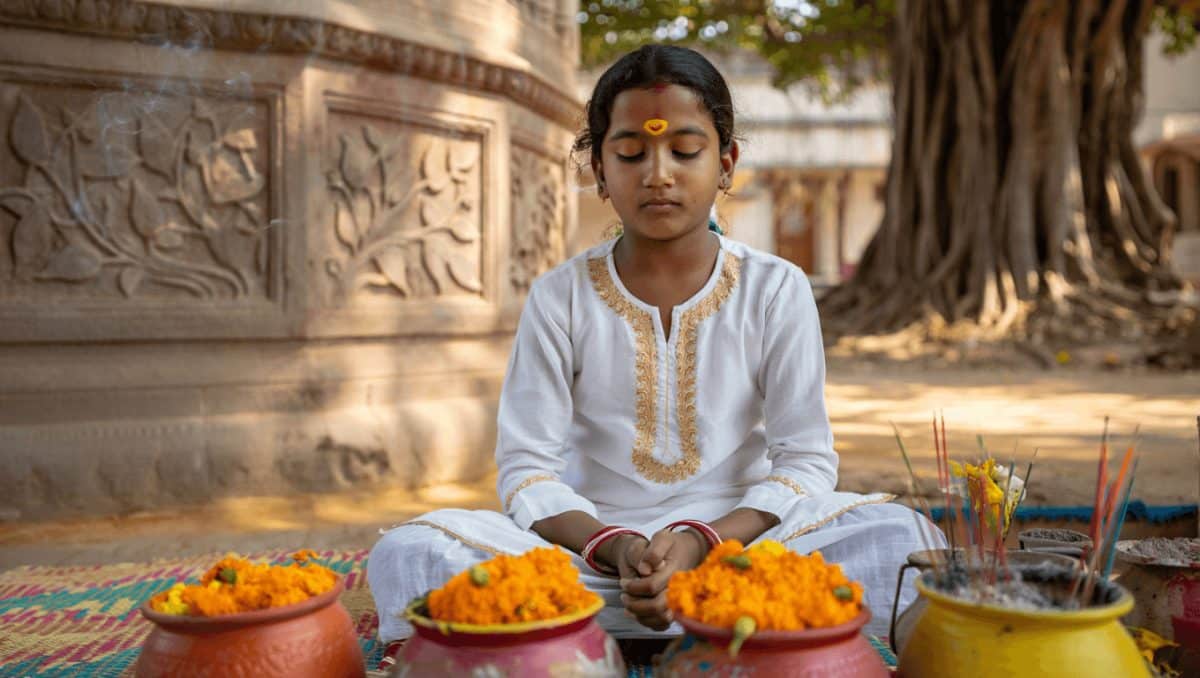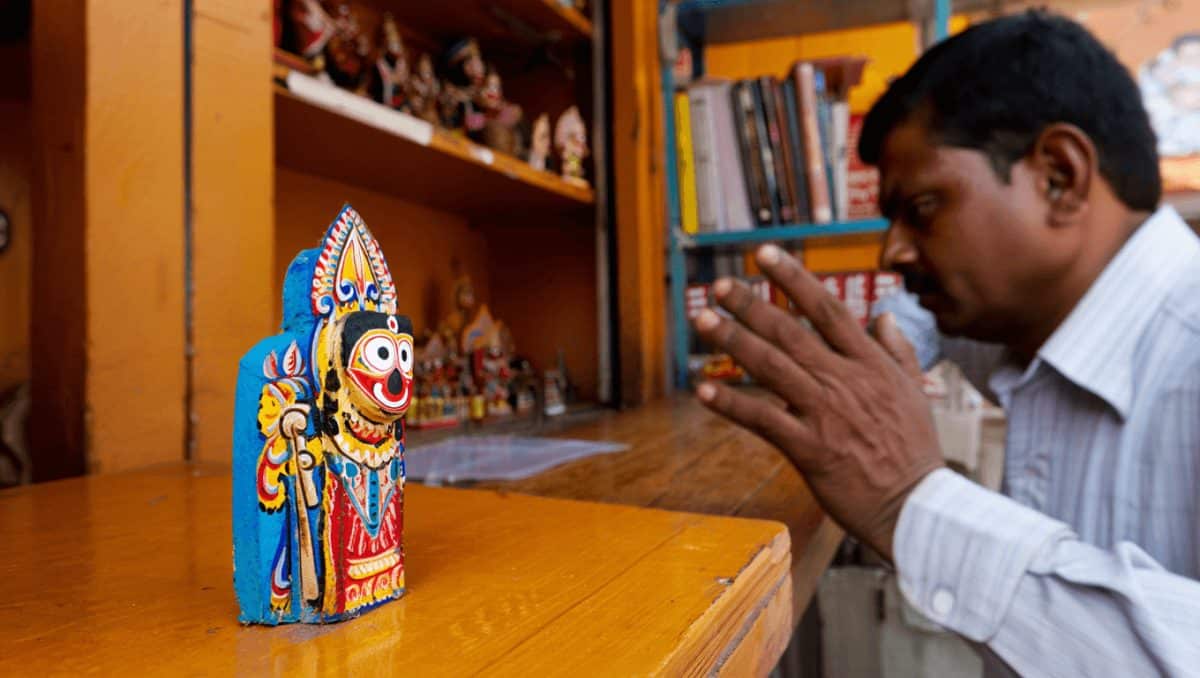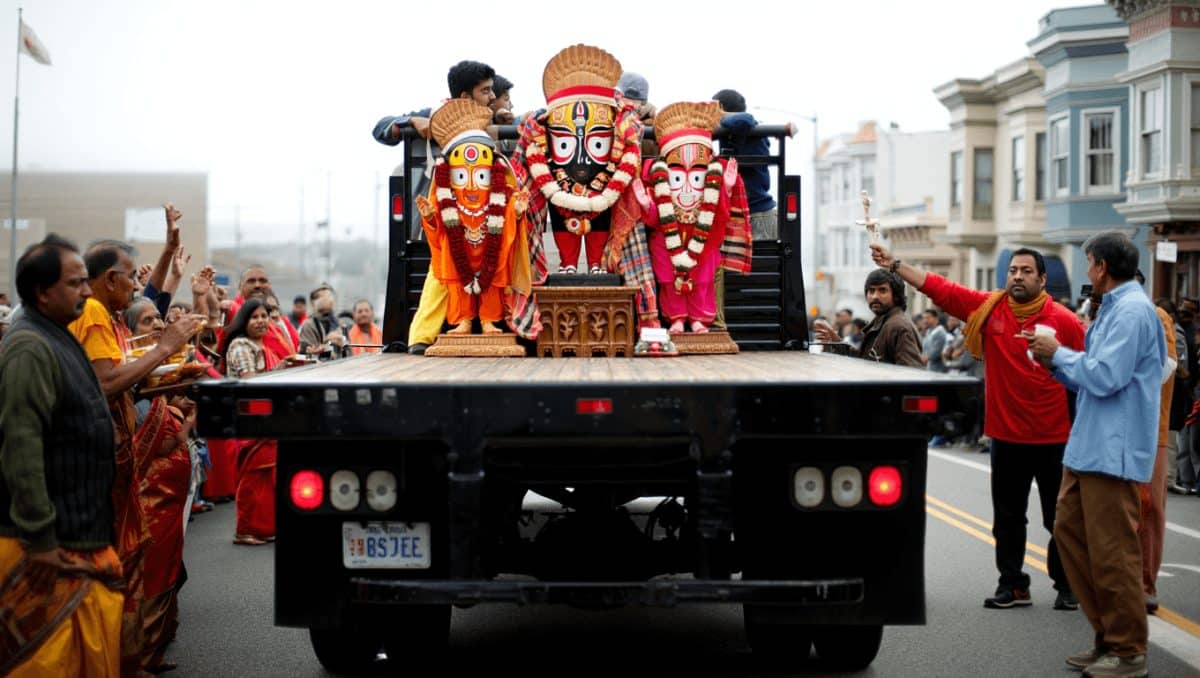
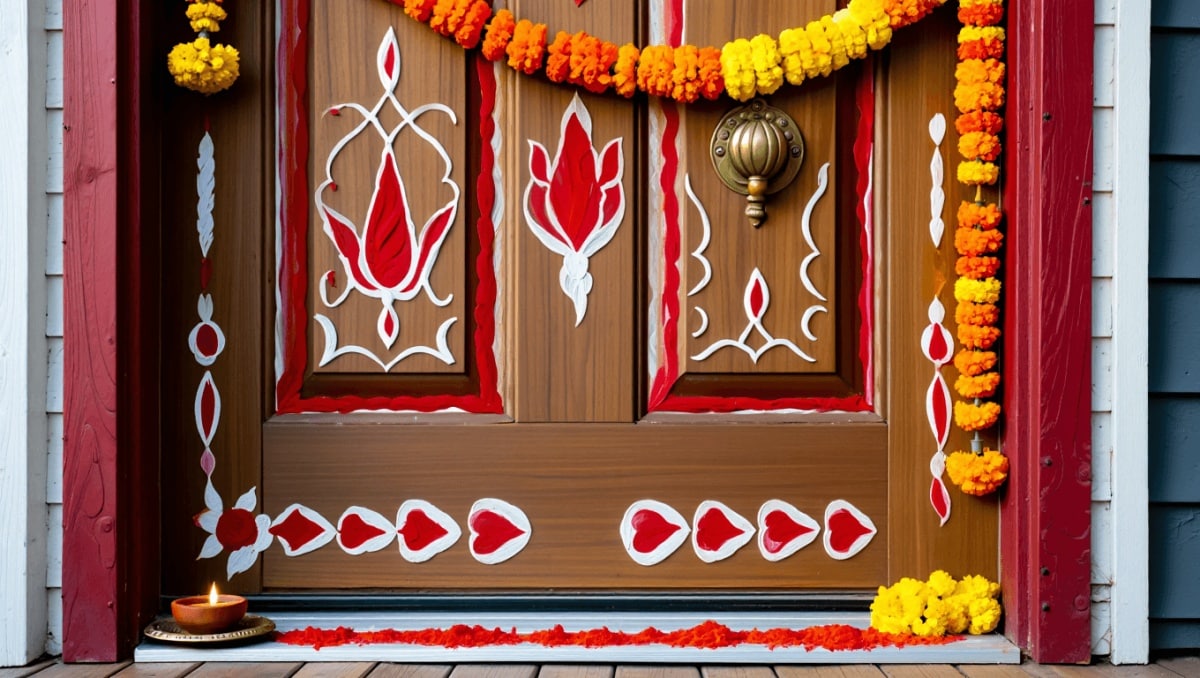
As the United States marks 250 years, everyday signs of religious diversity are increasingly visible in neighborhoods and on front stoops. Small rituals—especially the way Hindu households mark their doorways—offer a clear, lived example of how ancient spiritual ideas adapt to modern, plural societies and why they matter now.
Hinduism does not fit a single institutional mold. Rather than a uniform set of rules, its foundation rests on texts and practices that recognize one ultimate reality experienced through many paths. That flexibility produces a wide range of sincere observances, rooted in longstanding principles but expressed differently across communities and homes.
One persistent theme in Hindu domestic life is treating the entrance of a house as more than a physical threshold: it’s a symbolic gateway that shapes the atmosphere inside. Architectural and ritual traditions—summarized under the term Vastu shastra—offer guidance aimed at protecting spiritual practice and inviting auspicious influences into the household.
Shah Rukh Khan used the name Abinav to ease in-law worries: Gauri adopted Ayesha during nikaah
Javed Akhtar hails Hindu festivals as cultural glue: throwback of atheist celebrating resurfaces
- Toran: Decorative hangings often made from mango leaves and marigolds or their modern substitutes. Torans are placed above doorways to mark cleanliness and welcome, and are believed to invite good fortune into the home.
- Swastika: An ancient symbol used across Hinduism, Buddhism, Jainism and other traditions to denote well‑being and auspiciousness. Its long cultural history is distinct from the 20th‑century appropriation by the Nazis; when seen on doors or thresholds it is meant to confer protection and spiritual good fortune.
- Rangoli: Patterns created at the doorstep using colored rice, flour, sand or flower petals. Designs range from geometric motifs to depictions of deities; the art serves as both an offering and a visual reminder of the sacred in everyday life.
- Ganesh: Images or small icons of Ganesha—the remover of obstacles—are commonly positioned near entries so households can begin each day seeking a clear path for both practical affairs and spiritual work.
- Diya: Small oil lamps, especially visible during Diwali, symbolize light overcoming darkness. Placed by the entrance, diyas signal a wish for peace, knowledge and continued prosperity for everyone who crosses the threshold.
These elements are not merely decorative. In practice they serve three linked purposes: to sanctify private space, to mark time (festivals and seasonal observances), and to communicate values—hospitality, prosperity, protection—to residents and visitors alike.
Not every Hindu household follows these customs, and practices vary by region, family history and individual belief. Some families prefer quieter observances or different rituals entirely. That variety is itself a central feature of the tradition: multiple authentic ways of directing attention toward life’s deeper aims.
For readers in the U.S., recognizing these doorway traditions matters for everyday social literacy. A visible symbol—especially one as frequently misunderstood as the swastika—can prompt confusion or alarm unless its local meaning is understood. Knowing why someone hangs a toran or lights a diya helps reduce misinterpretation and creates space for respectful conversation about faith and belonging.
At a moment when civic identity and cultural pluralism are often debated, small domestic practices offer a practical reminder: ritual and symbolism continue to shape how people organize their homes, affirm values, and negotiate their place in public life. They are less about uniform doctrine and more about everyday enactments of purpose.