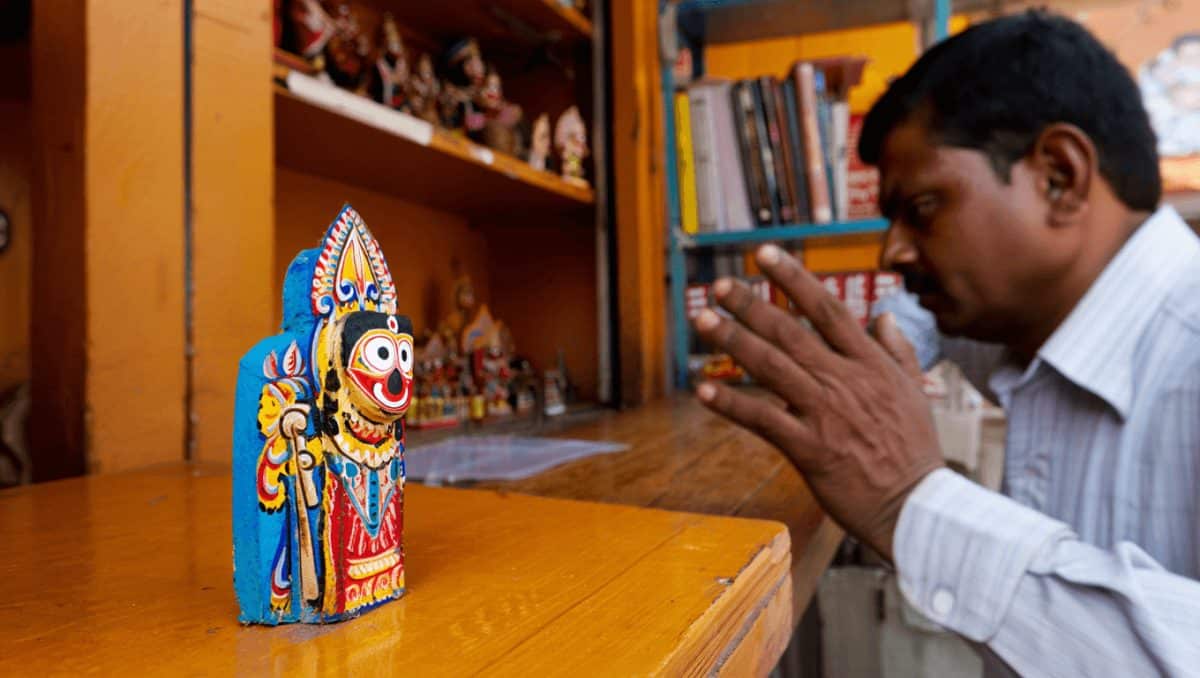

An episode from the Ramayana — the story of a woman named Shabari — still resonates today because it challenges how communities judge spiritual worth and social status. Her simple, unwavering devotion overturns assumptions about who qualifies as a true practitioner and offers a practical lesson about humility and service that matters in contemporary debates about inclusion and merit.
In devotional traditions, structured practices such as chanting, disciplined study and ritual serve as tools to cultivate devotion. Think of them like technical training for an artist: rules and repetition that create freedom for genuine expression. Yet ancient texts also preserve stories of people whose compassion and selfless service seem to come from the heart rather than from formal instruction — and those lives are treated as authoritative proof that devotion can also be immediate, spontaneous and transformative.
The best-known account of Shabari comes through later retellings, notably an 18th-century biographical tradition that shaped how many readers encounter her. According to these narratives, she fled her family as a young woman to avoid participating in animal sacrifice. She found refuge near the hermitage of a sage named Matanga on the shore of Lake Pampa and quietly devoted herself to serving the residents there.
Shah Rukh Khan used the name Abinav to ease in-law worries: Gauri adopted Ayesha during nikaah
Javed Akhtar hails Hindu festivals as cultural glue: throwback of atheist celebrating resurfaces
Shabari’s work was humble: sweeping paths, collecting wood, leaving food for the ascetics. She did not claim formal training or status. When the other disciples finally discovered her, they were suspicious and contemptuous. Matanga, however, saw her sincerity and accepted her as his disciple, treating her with care even though the other students resisted her presence.
After Matanga’s death he made a surprising promise: Shabari would not leave the world until she received the blessing of Prince Rama. Believing this, she continued her low-profile service for years, sustained by the hope of fulfilling that promise.
That moment arrived amid a crisis. One of the hermits, affronted when Shabari accidentally touched him, declared the lake defiled; its waters, he said, turned foul. Rama and his brother Lakshmana visited the hermitage during this controversy. Rama immediately asked after Shabari, calling her fortunate and expressing a strong desire to see her.
Hiding from shame, Shabari nevertheless offered fruit to Rama, first tasting the pieces herself to ensure they were sweet. Rama accepted the offering without hesitation, valuing the devotion in which it was given rather than its formal purity. When the ascetics implored him to help with the lake, he asked that Shabari’s feet be placed in the water. Her touch cleared the pollution, a dramatic reversal that humbled the previously arrogant disciples.
The episode closes with a clear moral: spiritual worth, in this telling, is measured less by external markers and more by the depth of loving service. The ascetics’ pride fell away when confronted by an ordinary woman whose loyalty and humility embodied what their ascetic discipline ostensibly aimed to develop.
Key terms from the narrative include bhakti yoga (devotional practice), ashram (hermitage), darshan (auspicious sight), and dharma (righteous duty)—concepts that frame why the story has moral authority in Hindu traditions.
| Moment | What happened | Why it matters |
|---|---|---|
| Flight from home | Shabari leaves to avoid participating in violence | Choice of nonviolence as the start of a spiritual path |
| Service at Matanga’s hermitage | Secret acts of care rather than formal schooling | Devotion through action, not credentials |
| Rama’s visit | Shabari offers tasted fruit; Rama accepts | Affirms interior devotion over external purity |
| Lake restored | Her presence cleanses the water | Symbolic reversal of social and spiritual hierarchy |
- Devotion can be cultivated through formal practice, but it can also emerge spontaneously — both are respected in the tradition.
- The story interrogates the link between external status and inner worth, a question relevant to modern institutions that rank people by credentials or ritual purity.
- Service, humility and consistency matter more to ultimate recognition in this narrative than pedigree or institutional approval.
- Shabari’s example has been used across centuries to argue for broader inclusion in religious life and to challenge elitism.
Seen through a contemporary lens, Shabari’s story speaks to ongoing conversations about who is permitted a voice in spiritual and civic life. It suggests that sincerity of purpose and sustained care for others can check arrogance and invite mutual recognition. For readers today, the episode offers a reminder that systems meant to cultivate virtue risk becoming hollow when they lose sight of the values they claim to teach.