Show summary Hide summary
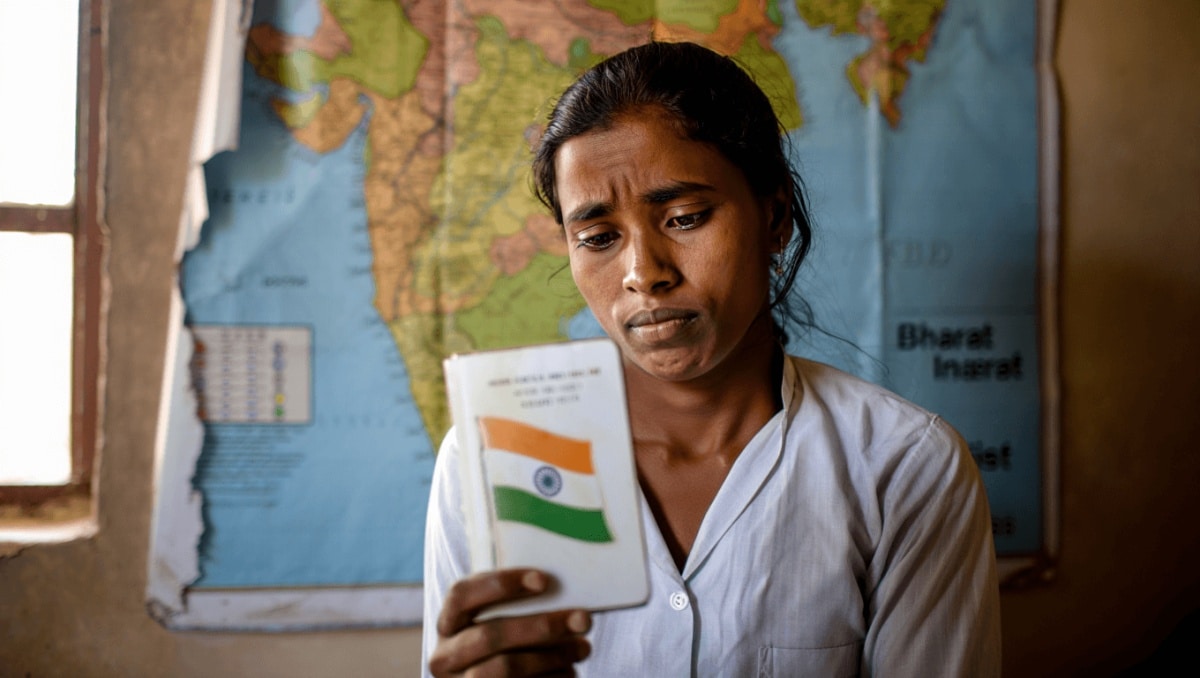
The Indian government has signaled it may formally adopt Bharat as the country’s official name during a parliamentary special session scheduled for September 18–22, reviving a debate that blends history, symbolism and politics. The proposal is more than semantic: its ripple effects could reshape domestic discourse and influence how Indian communities are perceived abroad, particularly in the United States.
What the proposal would change — and what it would not
At present, the Constitution already recognizes both names: India and Bharat. A legislative move to make Bharat the preferred official designation would be largely symbolic, but symbols carry weight in public life. Supporters see it as a corrective to colonial-era nomenclature; critics warn it could signal a shift toward a more majoritarian national narrative.
Shah Rukh Khan used the name Abinav to ease in-law worries: Gauri adopted Ayesha during nikaah
Javed Akhtar hails Hindu festivals as cultural glue: throwback of atheist celebrating resurfaces
Practical outcomes would vary. Official stationery, government signage and international communications could adopt the new styling, but passports, treaties and global recognition require administrative steps and external acceptance. Any change would unfold over months rather than overnight.
How the name evolved
The labels used for the South Asian subcontinent emerged gradually, reflecting outsiders’ languages and local traditions. One root is the Sindhu (Indus) river, a geographic reference that foreign chroniclers adapted into forms such as the Persian “Hindush.” Over centuries those renderings entered Greek, Arabic, Hebrew and Chinese vocabularies in slightly different guises — eventually yielding the Western familiar form, India.
Meanwhile, names drawn from indigenous sources — including terms like Bharat, associated with ancient texts and lineages — have persisted in local languages and literature. The coexistence of multiple names is not unique to this country; newly independent states have often revisited their internationally used labels as a way to assert cultural identity.
Political and social implications
Why this matters today is less about phonetics and more about framing. For many, adopting a native name is a decolonizing step. For others, the timing and tone of the debate raise concerns about whether the change will be accompanied by policies that privilege one cultural or religious narrative over others.
These conversations also travel beyond national borders. Diaspora communities, including Hindu Americans, can find themselves drawn into polarized exchanges—both online and in local civic arenas—when symbolism back home becomes a proxy for broader ideological disputes.
- Domestic politics: A name change could bolster nationalist messaging for the governing party, strengthening identity-based appeals in future elections.
- Legal and administrative: Government documents, road signs and institutional branding would need coordinated updates over time.
- International perception: Foreign governments and global organizations may continue using the name most familiar to them unless formally notified and convinced of the change.
- Diaspora impact: Debates around nomenclature can intensify scrutiny of expatriate communities, influencing local discourse, media portrayals and intercommunal relations.
How other countries handled renaming
History offers parallels. States that shed colonial-era names have taken different paths: some, like Ceylon becoming Sri Lanka and Turkey asserting the spelling Türkiye, pursued changes framed as cultural reclamation; others retained internationally established names to avoid administrative friction. Those precedents show renaming is both symbolic and bureaucratic, with consequences shaped by context and execution.
Ultimately, the question of a name intersects with who gets to define national identity. Whether the outcome brings broad consensus or further polarization will depend on political choices and how institutions manage the transition.
For readers tracking global politics and diaspora relations, the coming parliamentary session is worth watching. A label can be a simple matter of language — or a signal of deeper shifts in a country’s civic self-image.