Show summary Hide summary
Bali’s landscape of temples and daily offerings is more than a tourist backdrop; it’s the living expression of a distinct form of Hinduism that has shaped the island’s identity for centuries. Understanding how these beliefs arrived, adapted and continue to organize life on Bali explains why the island remains culturally unique within largely Muslim Indonesia.
Roots and local adaptation
Scholars trace Hindu influences in the Indonesian archipelago back to maritime contacts beginning in the first millennium CE, when Indian religious traditions arrived alongside trade and Buddhist exchange. Over time those ideas merged with local cosmologies and practices, producing a religious vocabulary on Bali that looks familiar to visitors yet works by its own rules.
Diwali survival guide for first-time guests: dress, gifts and must-haves
Tilak: what the forehead mark reveals about faith, identity and politics today
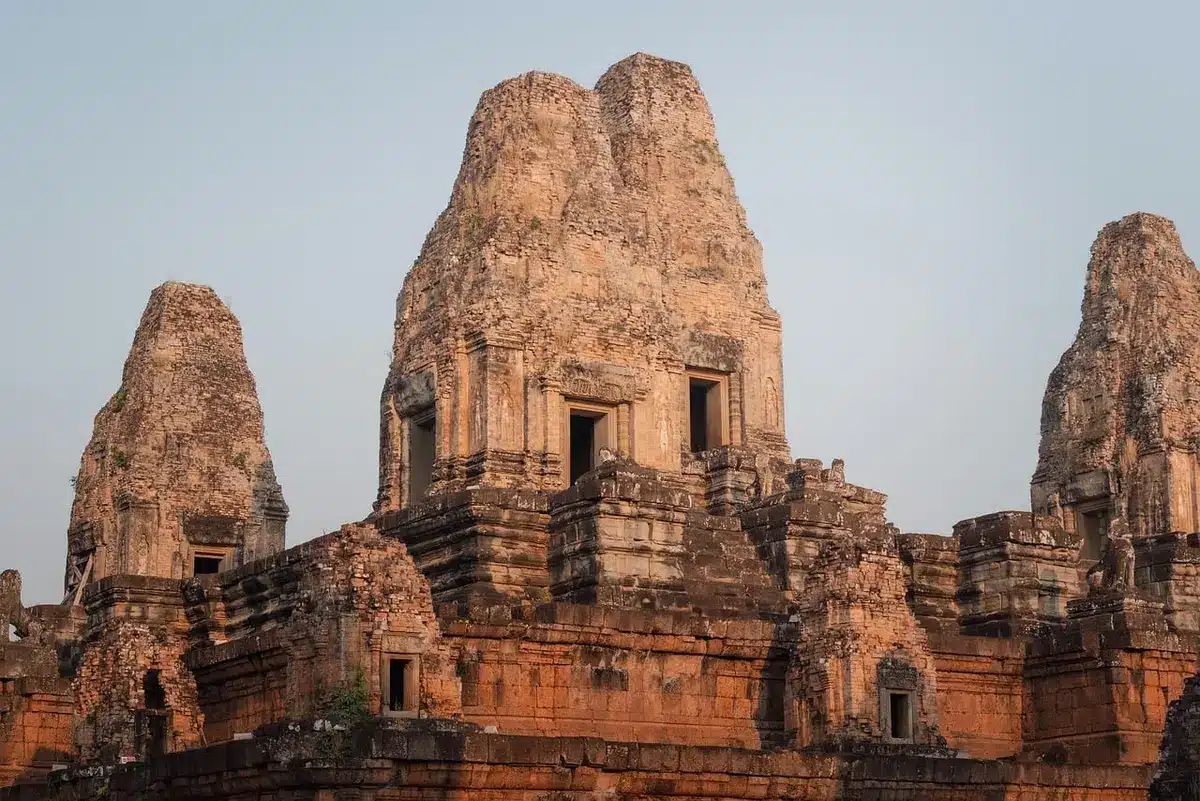
Rather than a copy of mainland Indian Hinduism, Balinese belief systems emphasize a household-and-community scale of worship. Temples are everywhere, and prayer, dance and ritual mark ordinary days as well as life milestones. That continuity — and the islanders’ commitment to ritual life — helps explain why Hinduism persisted in Bali even as Islam spread across much of Indonesia between the 13th and 16th centuries.
| Balinese figure | Rough Indian parallel | Primary association |
|---|---|---|
| Dewi Danu | Varuna | Water, lakes, irrigation |
| Dewi Sri | Lakshmi | Rice, fertility, prosperity |
| Dewi Ratih | Chandra (lunar associations) | Beauty, the moon |
| Batara Kala | Kali (as a destructive/time figure) | Time, death, underworld forces |
The ritual framework: five sacred practices
At the heart of religious practice on Bali are the five categories of ceremonial life known collectively as Panca Yadnya. These rituals structure personal life, community order and the island’s relationship with unseen forces.
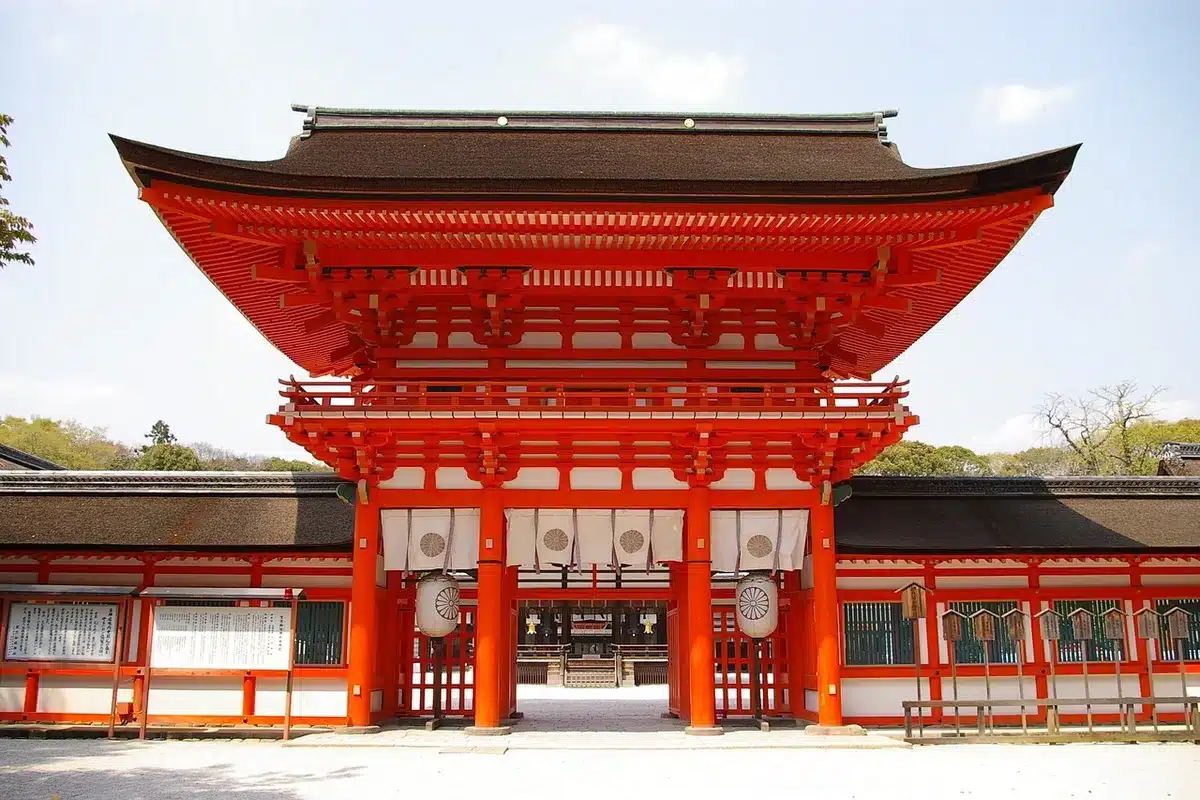
- Dewa Yadnya — offerings and ceremonies directed to the gods and to the island’s concept of the ultimate divine. Temple festivals, communal prayers and ritual performances fall under this category.
- Manusa Yadnya — rites of passage for key life events such as birth, coming-of-age, marriage and initiation. These ceremonies are seen as shaping a person’s moral and spiritual imprint.
- Pitra Yadnya — ceremonies for the ancestors. Funerary rites, particularly cremation, are central here; Balinese families believe such rites assist the deceased in moving beyond the physical world.
- Bhuta Yadnya — rituals that acknowledge and placate local spirits and elemental forces. Regular offerings to rice terraces, forests and coastal sites aim to keep balance between people and the non-human world.
- Rsi Yadnya — support and veneration for spiritual leaders and priests, including offerings and material support that sustain communal religious life.
These practices are not occasional pageantry. On most days some form of ritual — a small offering at a shrine, a neighborhood procession, or a temple ceremony — takes place somewhere on the island.
The island’s calendar also includes observances that reshape daily life. For example, Nyepi, the Balinese New Year, is observed with a full day of silence, reflection and fasting; businesses close and streets are emptied so the community can renew itself in stillness.
Why this matters now
Bali’s ritual landscape has contemporary significance beyond cultural tourism. As Indonesia navigates questions of religious pluralism and regional identity, the island’s practices show how local traditions adapt and endure. For policymakers, cultural managers and visitors, those rituals are both fragile and resilient: they foster social cohesion but face pressures from development, commercialization and changing demographics.
For travelers and residents alike, understanding the ritual rhythms of Bali clarifies why temples, shrines and ceremonial dates are integral to daily life — not merely scenic extras. Respect for those practices matters for cultural preservation and for meaningful encounters with the island’s communities.
Many of Bali’s most visible symbols — the 400-foot Garuda Wisnu Kencana statue and cliff-top temples such as Uluwatu — reflect an island culture where the sacred is woven into public space. But it is the everyday offerings and the cycle of rites, from birth to death, that sustain the island’s social and spiritual order.