Show summary Hide summary
Vasant Panchami, celebrated on the fifth day of the Hindu month of Magha, is both a seasonal milestone and a cultural touchstone: it marks the first signs of spring and remains a day many communities reserve for blessings, learning and creative renewal. Its rituals and stories—centering on gods of knowledge, love and the sun—have practical effects today, from temple ceremonies to school events and local fairs.
What the festival marks
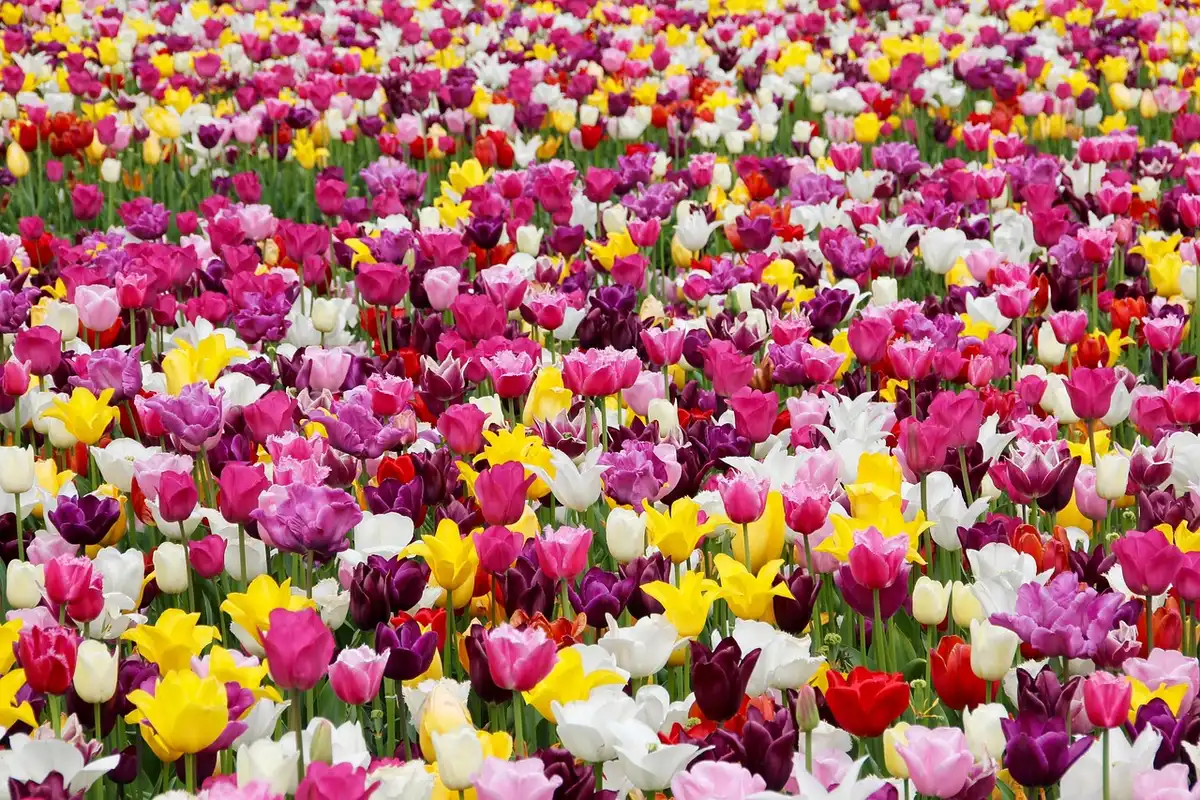
Vasant Panchami literally signals spring’s arrival. In much of the Indian subcontinent, fields and gardens begin to brighten as mustard and other early blooms appear, and yellow becomes the festival’s dominant color—a visual shorthand for light, learning and fresh starts. Because of this seasonal timing, many people view the day as auspicious for new beginnings such as launching projects or setting academic goals.
Supreme Court quota decision: BJP says it exposes opposition’s vote-bank tactics
Didgeridoo and sitar electrify Purana Qila: Indigenous Australia meets Indian classical
Saraswati: the focus of learning and the arts
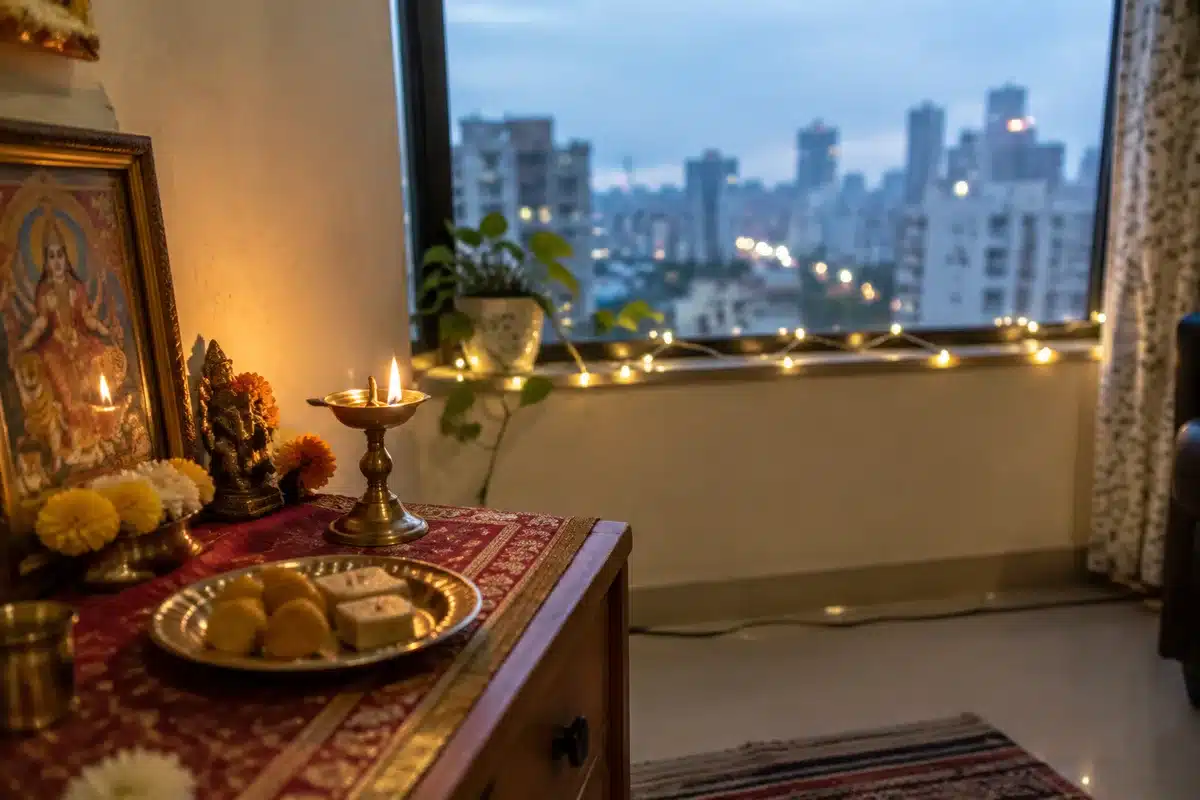
The day is most widely associated with the worship of Saraswati, the goddess of knowledge, music and the arts. Schools, colleges and families often hold small pujas where students and artists seek her blessings before exams or creative endeavours.

Traditional practices vary: books, instruments and tools of learning are sometimes placed before the deity, and devotees commonly dress in yellow and offer yellow foods. Over time these private acts of devotion have become public rituals—processions, campus ceremonies and cultural programs—reinforcing Saraswati’s link to formal education and the arts.
Stories behind the rituals
Myth and memory explain why this day is linked so strongly to wisdom and desire. One well-known story connects Saraswati’s favor to the classical poet who rose from obscurity to fame after divine intervention—an emblematic tale of transformation that many recount during the festival.
Another set of narratives involves Kamadeva, the god of love, whose attempt to rouse Shiva is framed as a springtime awakening: desire and fertility returning to the world after a long period of withdrawal. These stories are less about literal history than symbolic reminders that the season renews both the land and human longings.
Sun worship and regional customs
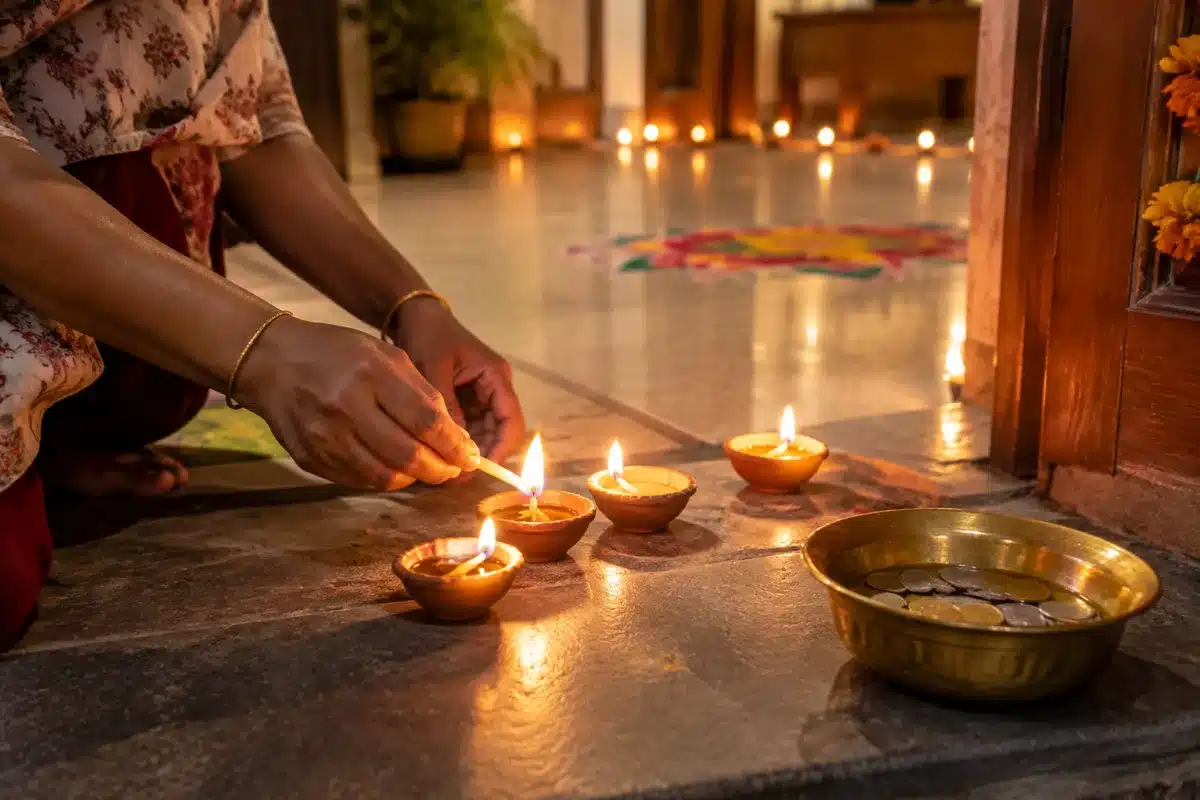
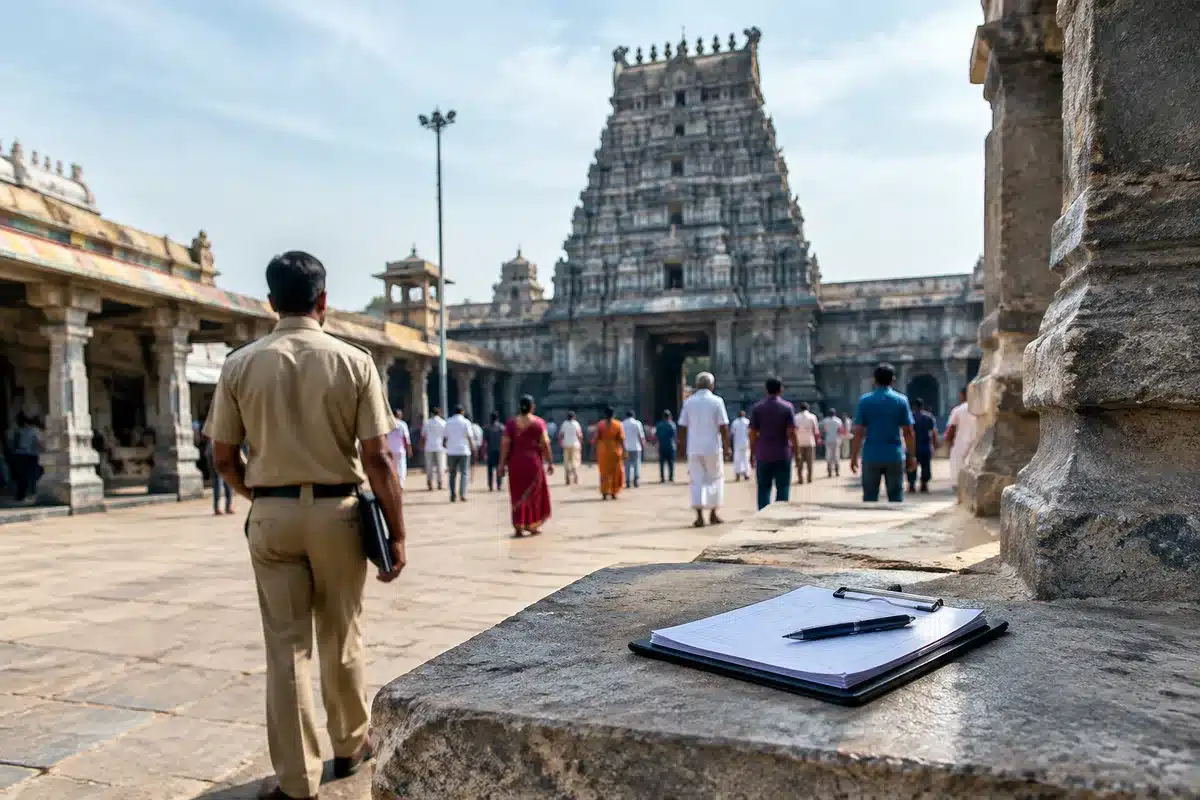
In parts of India the festival also honors the sun deity, Surya. Temples such as the Deo-Sun shrine in Bihar attract devotees who sing, clean icons and perform rituals that celebrate sunlight’s role in agriculture and everyday life. Across regions, observances differ—what’s central is the theme of light overcoming dormancy.
- Common observances: Wearing yellow clothes; offering yellow flowers and sweets; Saraswati puja with books and instruments placed before the idol.
- Educational rituals: Schools and universities often hold special assemblies, cultural programs and recitations to honor learning.
- Regional variations: In some states the day emphasizes Surya worship; in others, local fairs, music and folk performances dominate.
- Family practices: Feasting, singing and small processions bring households together—rituals that blend devotional and social life.
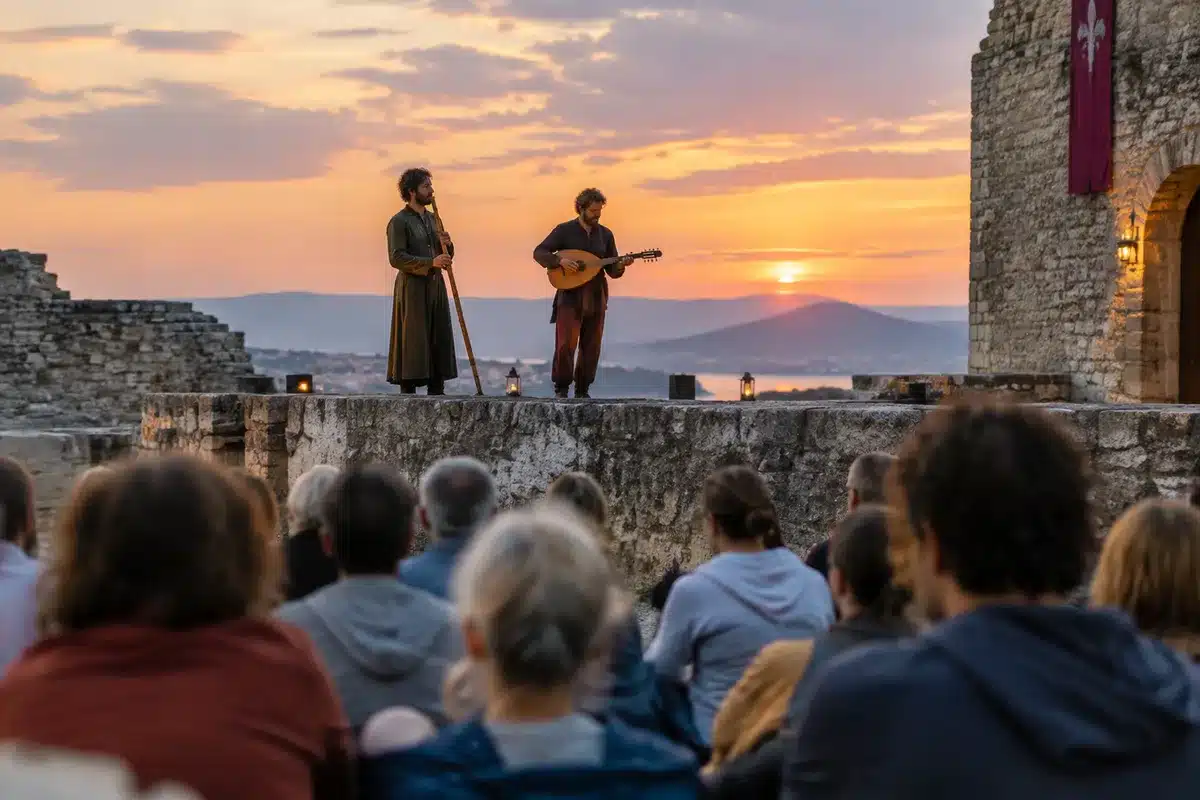
Because Vasant Panchami ties together seasonal, religious and cultural strands, its effects are tangible. Students may defer exam preparations to take part in campus pujas; farmers watch the sun and soil for planting cues; artists and performers time concerts and recitals around the festival. For municipal planners and cultural organizers, the day also surfaces as a moment for public events and community outreach.
The festival’s flexibility is part of its endurance: while rooted in classical myths and agrarian cycles, Vasant Panchami adapts to modern contexts—school calendars, urban celebrations and diaspora communities keep its core meanings alive even as practices shift. Observed quietly in homes or celebrated with large gatherings, it remains a predictable sign that spring—and with it new possibilities—has begun.