Show summary Hide summary
For many Hindus, death opens a new chapter rather than a final curtain: rituals surrounding the end of life aim to guide the soul onward and preserve social and spiritual order for those left behind. With diaspora communities, environmental debates and renewed public interest in traditional practices, understanding Hindu funerary customs matters now both culturally and practically.
At the heart of Hindu funerals is a layered belief in the enduring inner self. The individual personality — often referred to in Sanskrit as the atman — is viewed as distinct from the body, which is transient. Rituals performed after death are intended to assist the atman’s transition and to mark the family’s passage through grief.
Core practices and their purposes
Customs vary widely across regions, sects and families, but several common elements appear frequently in Hindu rites. Those elements balance spiritual aims, community obligations and a choreography of mourning.
Supreme Court quota decision: BJP says it exposes opposition’s vote-bank tactics
Didgeridoo and sitar electrify Purana Qila: Indigenous Australia meets Indian classical
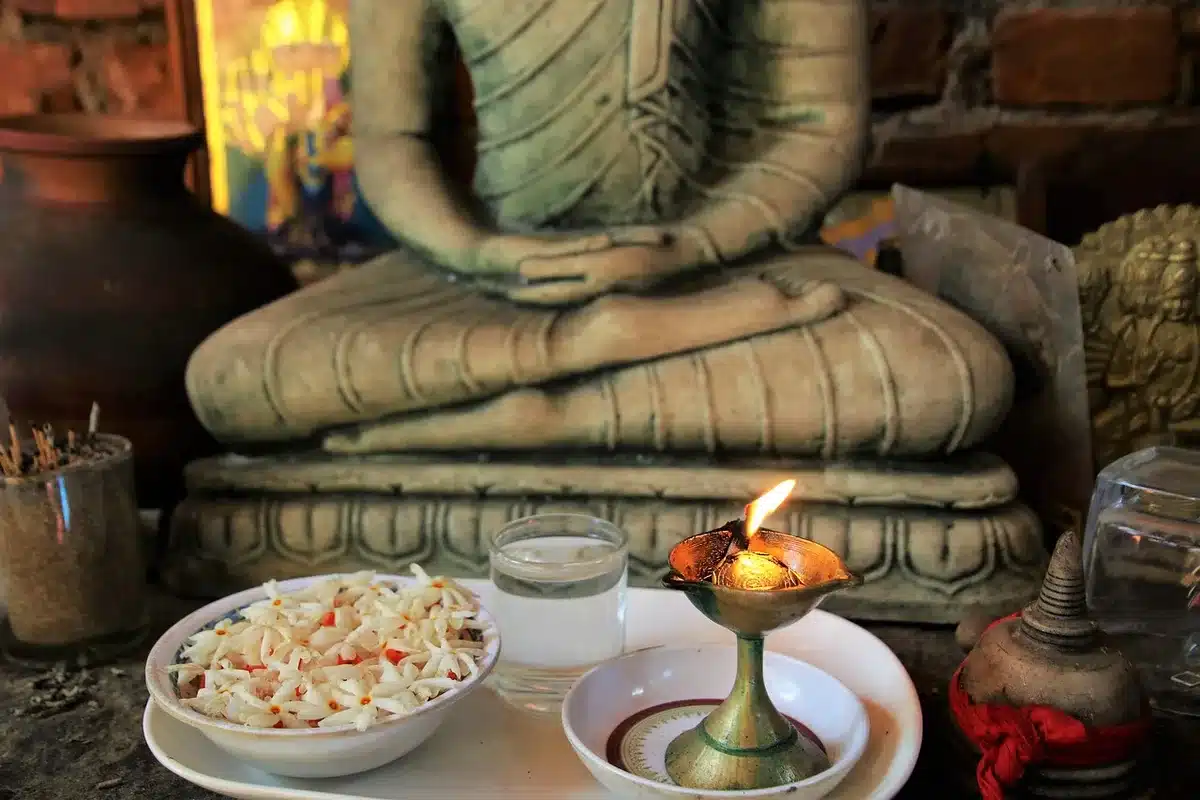
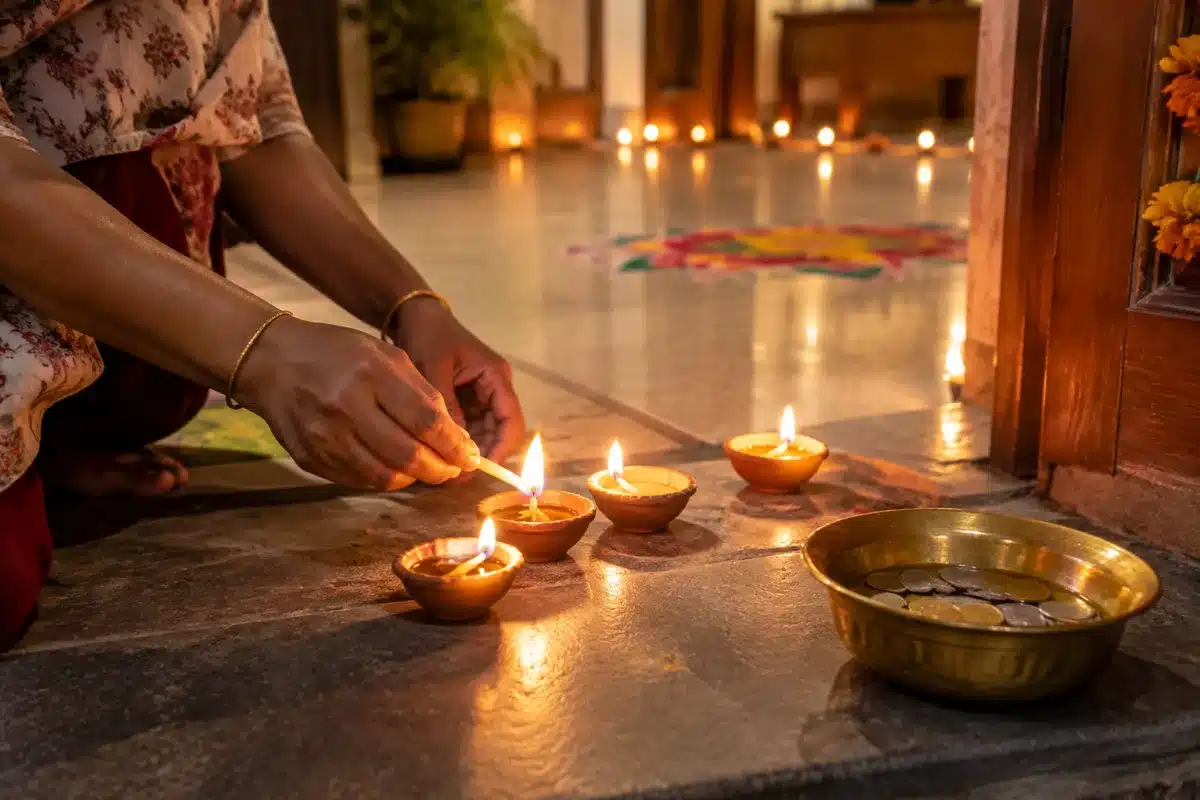
- Preparation of the body — The deceased is washed, dressed simply, and often placed with a garland or a lighted wick. Family members observe specific rules about touch and proximity depending on local custom.
- Wake and prayers — A period of vigil allows relatives to offer last respects. Recitations from sacred texts, hymn singing and the chanting of mantras are common to focus prayers for the soul.
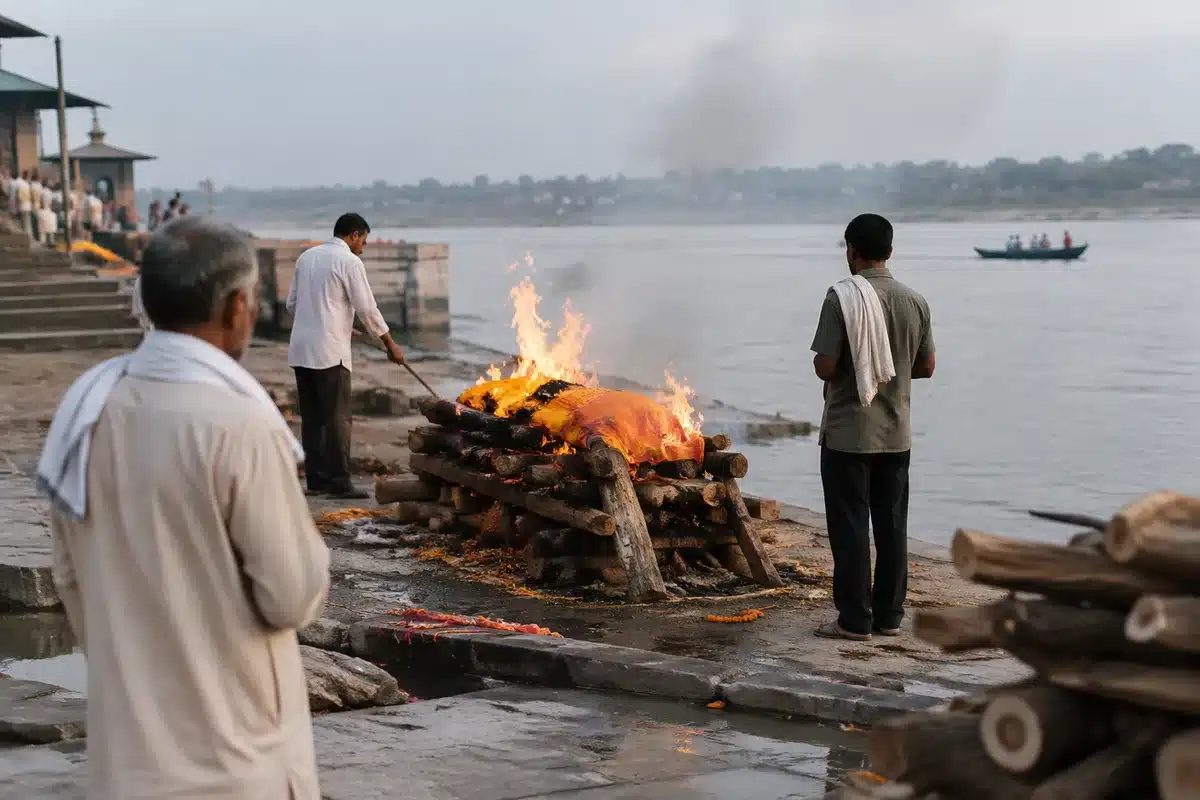
- Cremation (or burial) — Cremation is widely practiced as a way to release the body, though burial occurs in some traditions and among certain communities. The ritual of breaking the skull or lighting the funeral pyre is symbolically significant in many rites.
- Post-funeral rites — After the immediate ceremony, family members observe a mourning period, which can include daily offerings, specific dietary rules and a culminating ceremony (often on the 13th day) to mark the end of formal mourning.
- Annual remembrances — Many families perform yearly rites or observances to honor ancestors and maintain ongoing spiritual bonds.
Regional variety and contemporary shifts
There is no single “Hindu funeral” template. Practices differ by language, region, and lineage: north and south India, for instance, emphasize different rituals and timings. Urbanization and migration have also shaped funerary choices.
In overseas communities, practical constraints — local laws on cremation, limited access to traditional materials or space for pyres — lead families to adapt rites while attempting to preserve essential symbolism. Younger generations sometimes blend traditional ritual with secular memorial practices, creating hybrid observances.
Modern questions: environment, law and memory
Two contemporary pressures are reshaping practice. First, environmental concerns about traditional open-air cremation and the use of wood have prompted interest in greener alternatives such as electric crematoria, natural burials and reduced-footprint memorials. Second, public health regulations and cemetery capacity in dense cities force dialogues between religious communities and local authorities about how to preserve ritual integrity within legal frameworks.

Those shifts carry emotional stakes: families negotiating new forms of farewell often worry about losing symbolic meaning even as they adapt for practicality.
A recent cultural lens
Documentary filmmaking has circulated renewed interest in how Hindu communities confront death. One filmmaker who has traced those crossroads blends personal experience with visual storytelling: a former member of a Vaishnava monastic order who later turned to documentary work has explored devotional life and pilgrimage in South Asia. His feature-length film, completed in 2020, has helped audiences inside and outside Hindu communities revisit rites connected to sacred places such as Vrindavan and reflect on how tradition meets modern life.
That kind of cultural work — neither devotional handbook nor academic treatise — can prompt family conversations about what aspects of ritual matter most when practices must change.
What this means for readers
Whether you are planning for an elderly relative, researching cultural practice, or tracking how religious traditions evolve in public life, a few practical takeaways are useful:
- Check local laws and crematorium availability early if you need to arrange rites abroad.
- Discuss with elders which elements of ritual they consider essential; many customs can be adapted while preserving core meaning.
- Consider environmental options and how they align with spiritual priorities — many communities and temples now offer guidance on greener choices.
Understanding Hindu funerary traditions means navigating theology, community obligation and contemporary constraints. As societies change, rituals do too — but they often retain a central purpose: to honor the dead, comfort the living and connect one life to the broader continuum of belief.