Show summary Hide summary
Hindu views of death treat it less as an end than as a change in the soul’s journey, a belief that shapes private mourning and public memory alike. That worldview — and the rituals that follow — also frame how communities process episodes of mass violence, a connection underscored by a recent podcast conversation with a survivor of the 1971 Bangladesh atrocities.
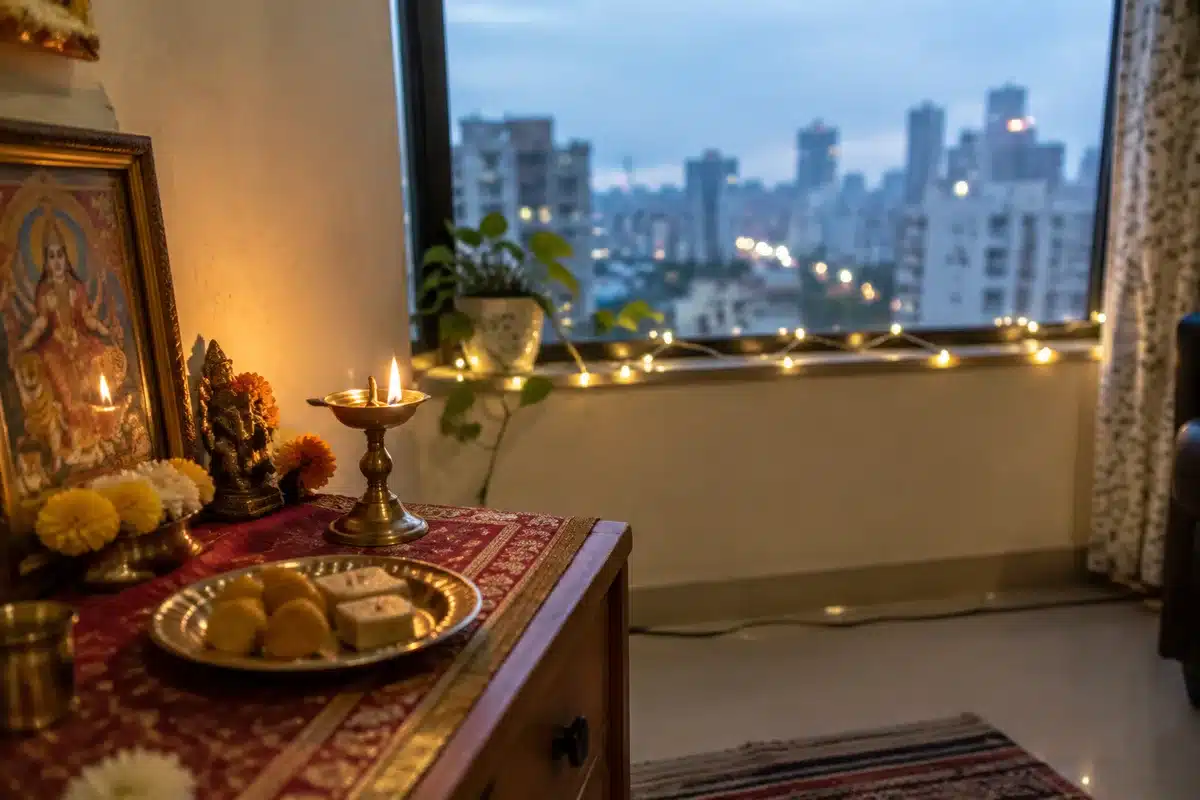
For many Hindus, the human person is distinguished from the body by the atman — the enduring inner self. Death, in this perspective, is a transition of that inner self to a new condition of being, often understood through the ideas of reincarnation and moral consequence.
What funeral rites do and why they matter
Funeral rites serve practical, spiritual and social functions: they care for the body, mark the passage of the deceased, and help the living to grieve and restore social order. Across South Asia and the diaspora, these rituals also act as a communal record of loss, shaping how families and societies remember violence and injustice.
Supreme Court quota decision: BJP says it exposes opposition’s vote-bank tactics
Didgeridoo and sitar electrify Purana Qila: Indigenous Australia meets Indian classical
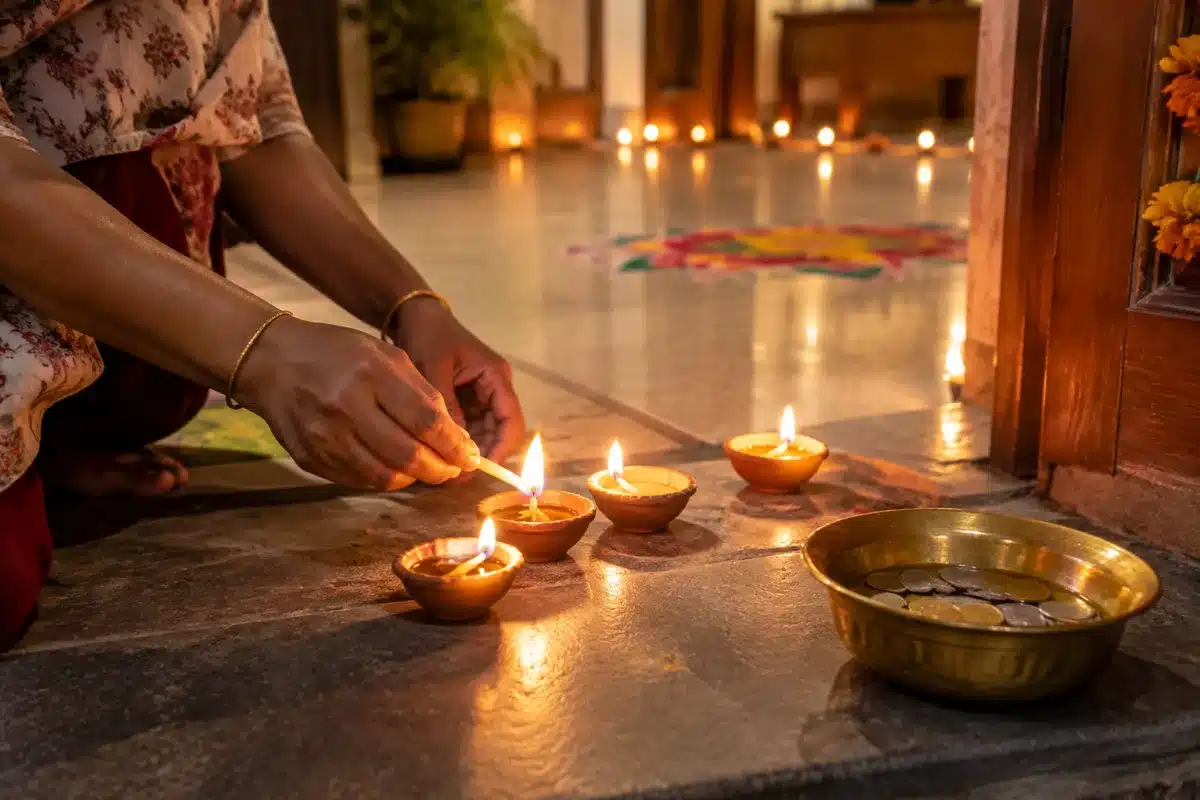
- Cremation is the most common end-of-life practice for Hindus, intended to release the soul from the body and speed its onward journey.
- Final rites, often called antyesti, include washing the body, chanting, and the lighting of the funeral pyre by a close relative.
- Mourning periods vary; relatives may perform rituals for days or weeks and observe memorial ceremonies on anniversaries.
- There are multiple regional and sectarian exceptions — for example, infants, renunciants and certain saints may be buried, and practices differ by community.
- Ceremonies often end with the dispersal of ashes in a river or other body of water, a symbolic return to the larger natural order.
These practices are not merely ceremonial. In the aftermath of large-scale killings, shared rituals can offer a framework for communal dignity and recognition when official records or legal redress are slow or absent.
Voices from 1971: testimony and memory
In a recent episode of a cultural and historical podcast, author Rukhsana Hasib recounts her firsthand experiences during the violence in what is now Bangladesh and reflects on how the country has evolved in the decades since. Her testimony connects private grief with public history, illustrating how survivors carry ritual, memory and the demand for truth into later life.
Over five decades after independence, debates about remembrance, accountability and education continue to shape Bangladesh’s politics and its diaspora communities. Personal narratives like Hasib’s inform those debates by filling gaps that official histories sometimes leave empty.
Beyond immediate emotional resonance, survivor testimony influences several concrete arenas:
- Legal processes — evidence and witness accounts can feed into prosecutions or truth-telling mechanisms.
- Education — first-person histories shape curricula and public understanding of historical events.
- Community healing — rituals and storytelling help families transmit memory across generations.
When ritual, testimony and historical inquiry intersect, they create a fuller picture of loss that is both intimate and civic. For readers today, those intersections matter because they determine how societies memorialize trauma, pursue justice, and teach the next generation.
Firsthand accounts and the religious frameworks that shape mourning are complementary lenses: one gives the human detail of lived experience, the other provides a cultural script for processing death. Together they help explain why some losses become part of a nation’s public memory while others remain private wounds.