
Show summary Hide summary
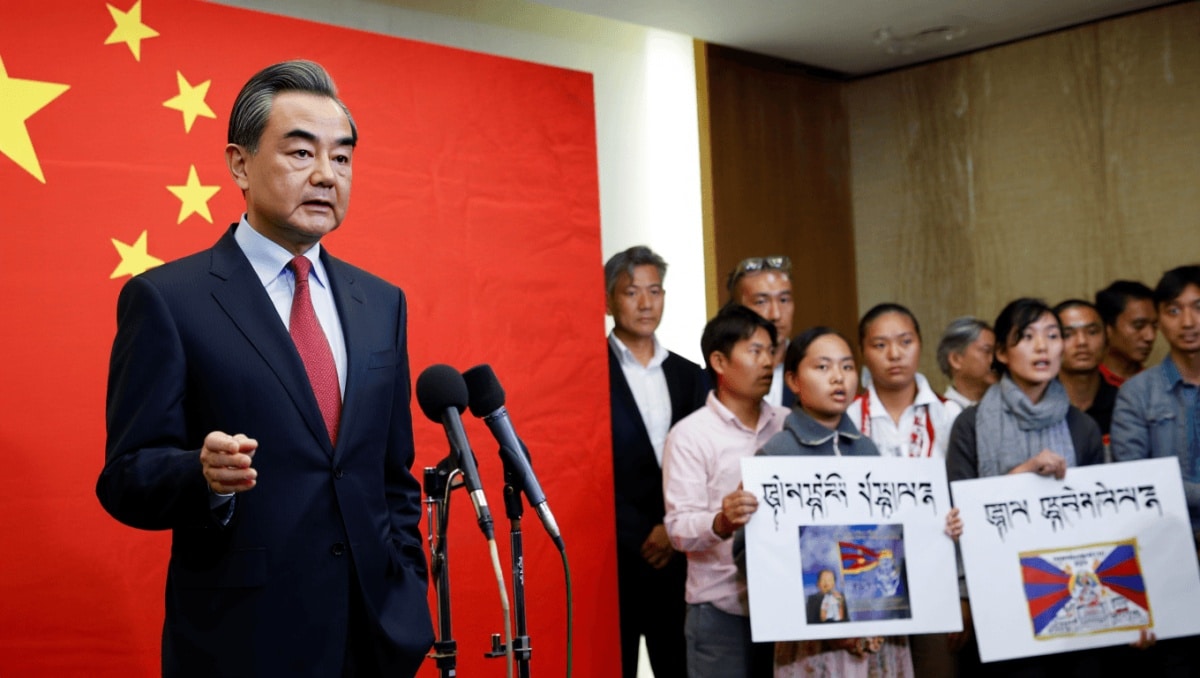
The Tibetan Youth Congress has publicly criticized the planned visit of Chinese foreign minister Wang Yi to India, saying Beijing’s policies in Tibet remain coercive and that those actions have direct implications for regional peace. The statement arrives in the run-up to a BRICS national security advisers meeting in New Delhi on June 22–23, a forum where tensions between New Delhi and Beijing could surface alongside broader strategic discussions.
The TYC’s release frames the visit as politically sensitive rather than routine diplomacy. The group accuses Chinese authorities of ongoing restrictions in Tibet, arguing that cultural and political freedoms have been curtailed and that demographic and educational policies are reshaping Tibetan society.
Claims from the Tibetan Youth Congress
The organisation outlined several core concerns, summarized below:
Shah Rukh Khan used the name Abinav to ease in-law worries: Gauri adopted Ayesha during nikaah
Javed Akhtar hails Hindu festivals as cultural glue: throwback of atheist celebrating resurfaces
- Political repression: The TYC alleges sustained limits on dissent and local governance in Tibetan areas.
- Cultural and religious pressure: It says Tibetan language use and religious practices have been restricted, eroding community institutions.
- Demographic change: The group points to population shifts they describe as altering the social balance in Tibetan regions.
- Education and assimilation: The statement singled out boarding-school policies for Tibetan children as a vehicle of forced cultural assimilation.
- Human rights concerns: The organisation linked these policies to broader allegations of rights violations under Chinese rule.
Those claims underline why the TYC believes Tibet remains a live political issue, not merely a historical grievance. The organisation also tied the Tibet question to broader regional dynamics, arguing the status of Tibet affects bilateral boundaries and security in the Himalayas.
Why the Tibet issue matters for the India‑China border
The TYC framed the current boundary tensions as rooted in Beijing’s control over Tibet, saying a long-term settlement of the border dispute requires addressing Tibetan sovereignty. That argument underscores a key premise in some regional debates: control of territory on the plateau changes the political map and complicates bilateral negotiations.
Beyond diplomacy, the Tibetan plateau has strategic and environmental significance. Rivers that originate in the region supply millions downstream, and changes in governance and land use can affect water security, ecosystems, and cross-border cooperation — concerns that stretch past human-rights rhetoric into tangible policy consequences.
What to watch next
- Diplomatic tone at the BRICS meeting: Whether Wang Yi’s exchanges in New Delhi focus solely on multilateral issues or veer into bilateral friction will be watched closely.
- Responses from New Delhi and Beijing: Official reactions — or their absence — will signal how seriously each side treats civil-society claims about Tibet.
- Impact on border discussions: If New Delhi links border talks to Tibet-related concerns, that could complicate incremental confidence-building measures.
The TYC’s statement injects a human-rights and identity dimension into an already delicate diplomatic moment, reminding observers that the Himalayan frontier remains shaped by historical grievances as much as by contemporary strategy. How governments and international fora address those layers will determine whether the issue recedes into background friction or becomes a sustained factor in regional policymaking.