Show summary Hide summary
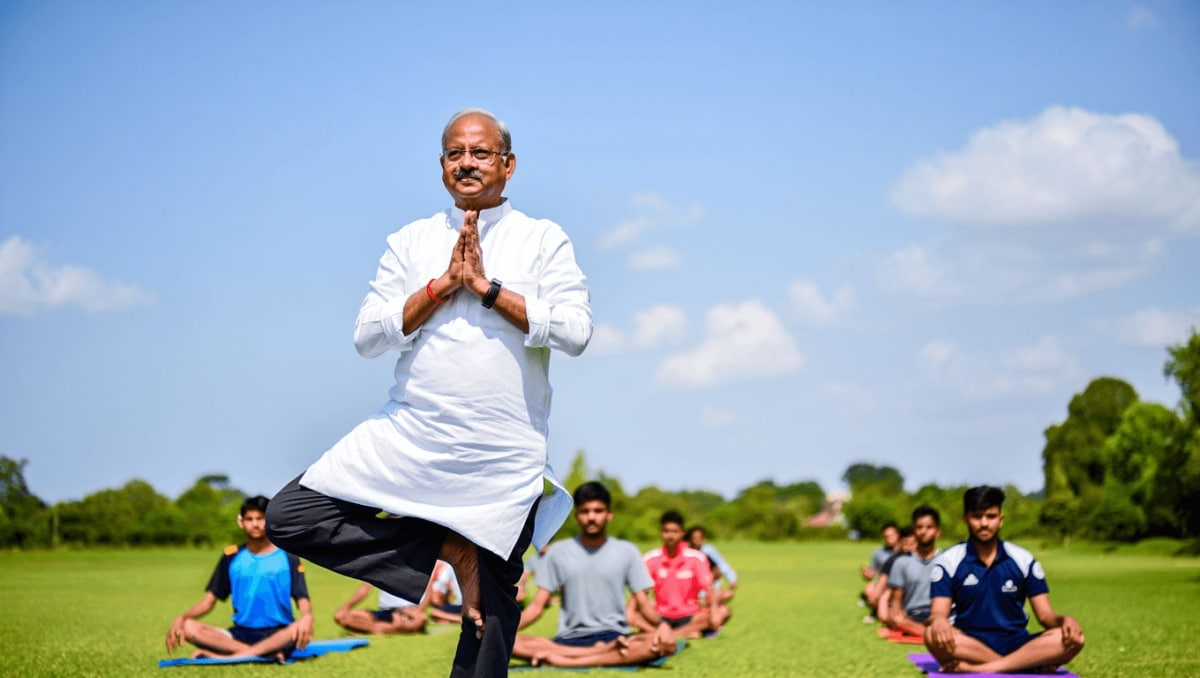
Bhubaneswar — Odisha’s chief minister, Mohan Charan Majhi, urged young people on Sunday to set aside their phones and social feeds for a short daily yoga practice, saying 20–30 minutes of postures and breathing exercises can ease modern mental strains. Speaking at Kalinga Stadium during International Yoga Day, he tied the appeal to broader public-health goals, especially care for an ageing population.
Majhi framed yoga as a holistic discipline that combines the physical, mental and spiritual dimensions of health and said it is open to everyone, regardless of belief. He highlighted this year’s theme, “Yoga for Healthy Ageing”, arguing that regular practice and pranayama can help manage problems commonly linked to getting older — from high blood pressure and diabetes to stress and social isolation.
Practical advice for busy young people
Shah Rukh Khan used the name Abinav to ease in-law worries: Gauri adopted Ayesha during nikaah
Javed Akhtar hails Hindu festivals as cultural glue: throwback of atheist celebrating resurfaces
The chief minister singled out younger residents who spend long hours on mobile phones and social media, encouraging them to begin with short, daily sessions rather than trying dramatic, occasional routines. His recommendation: a consistent 20–30 minute practice to build resilience against anxiety and mental fatigue.
That guidance aligns with growing public-health conversations about lifestyle interventions that can complement medical care — particularly where non-communicable diseases and mental health are concerned.
State moves to expand traditional medicine and yoga education
Majhi also used the event to outline several government measures intended to strengthen Odisha’s AYUSH infrastructure and spread yoga more widely.
- New Ayurvedic colleges: Plans announced for institutions in Gajapati, Malkangiri and Rayagada districts to train more practitioners and expand local healthcare capacity.
- Yoga and naturopathy campus: A new facility is under construction on a 20-acre site at Binjhagiri in Jatni, aimed at teaching and clinical practice.
- Central Ayurvedic Medical College: Foundation stone laid at Rairangpur in Mayurbhanj to develop advanced training and research.
- Curriculum and public health integration: Steps are being taken to introduce yoga into school lessons and broader health programmes.
Officials framed these projects as part of a longer-term push to make traditional systems more accessible and to integrate preventive practices into everyday life. If implemented, the measures could increase local training capacity and create more formal pathways for yoga and AYUSH-based care to reach communities.
The chief minister’s message combined immediate, low-effort advice for individuals with policy commitments that aim to institutionalize those practices. For readers, the takeaway is straightforward: short, daily yoga sessions may offer mental and physical benefits now, while state investments could make such options easier to access in the years ahead.