Show summary Hide summary
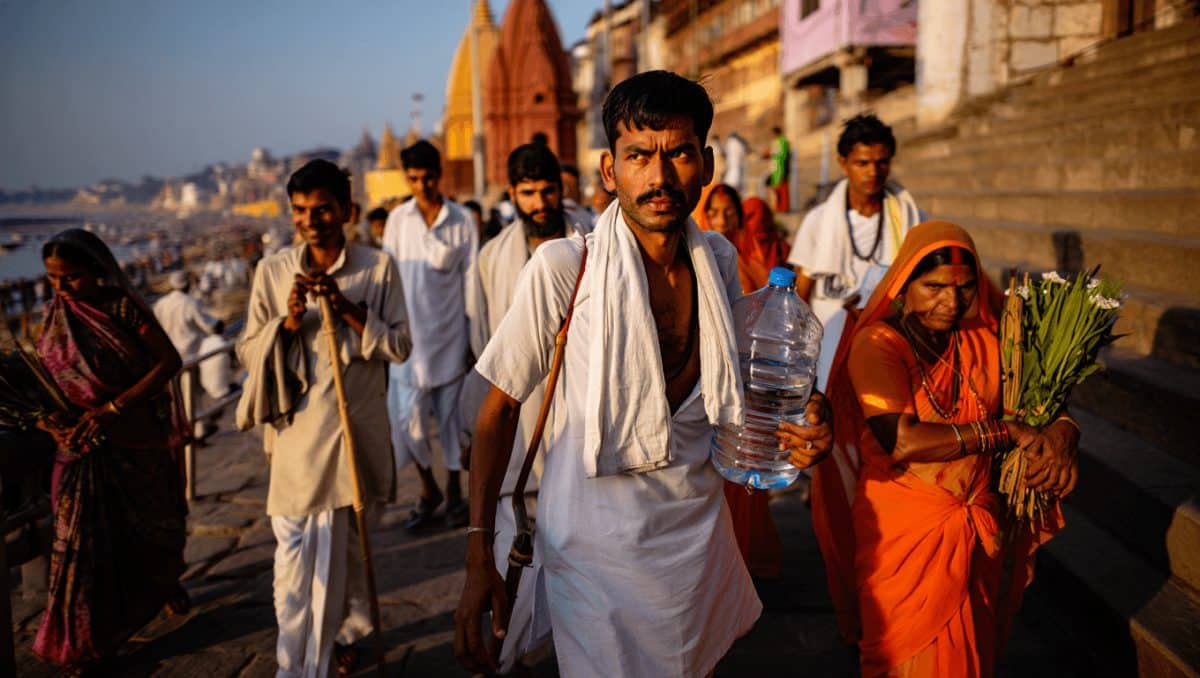
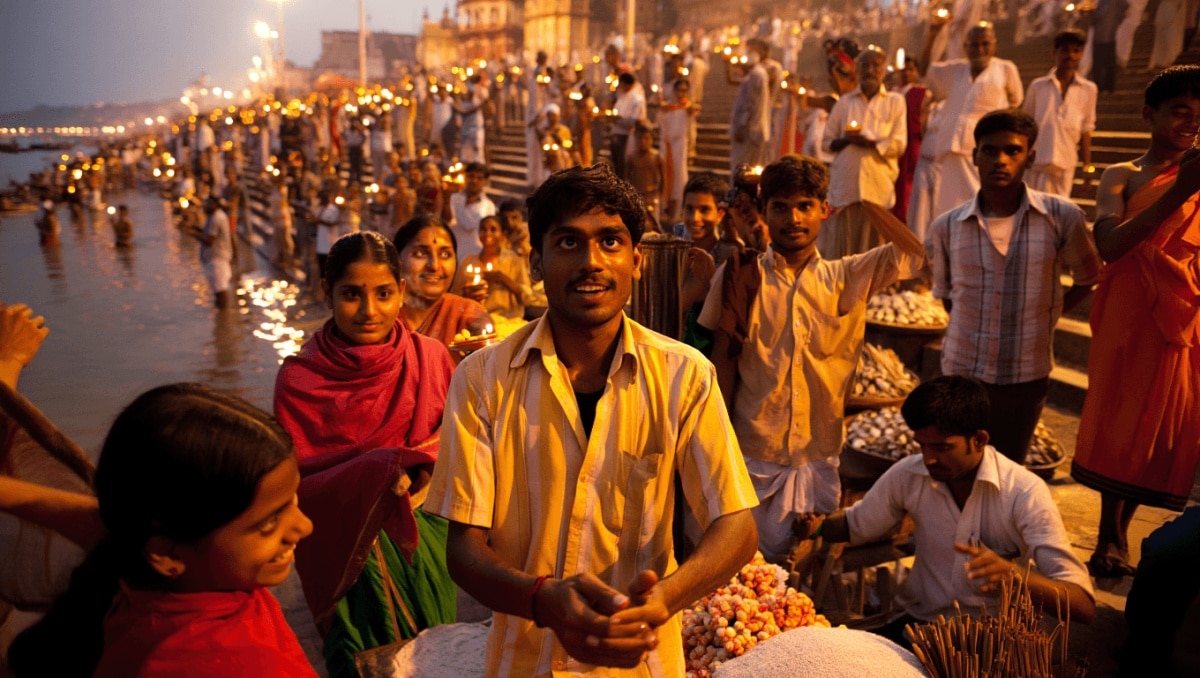
When pilgrims line the ghats for an evening aarti, they see the ritual — not the people whose daily work keeps it alive. That changed this year: in eight months, DharmikVibes’ DharmikGuide network has channelled significant income back into temple towns, reshaping who benefits from religious travel today.
Who keeps a pilgrimage running
Pilgrimage is more than a sequence of rites; it is a web of livelihoods. The DharmikGuide network connects devotees directly with local specialists so money earned during a yatra remains in the community rather than flowing out through intermediaries.
Kashi to Kedarnath costs revealed: how much a Sawan pilgrimage will set you back
Hinduism gains ground in Africa: new communities reshape culture and commerce
- Local devotional stays — family-run guesthouses and homestays close to temple lanes, where hosts and neighbourhoods capture the value of hosting pilgrims.
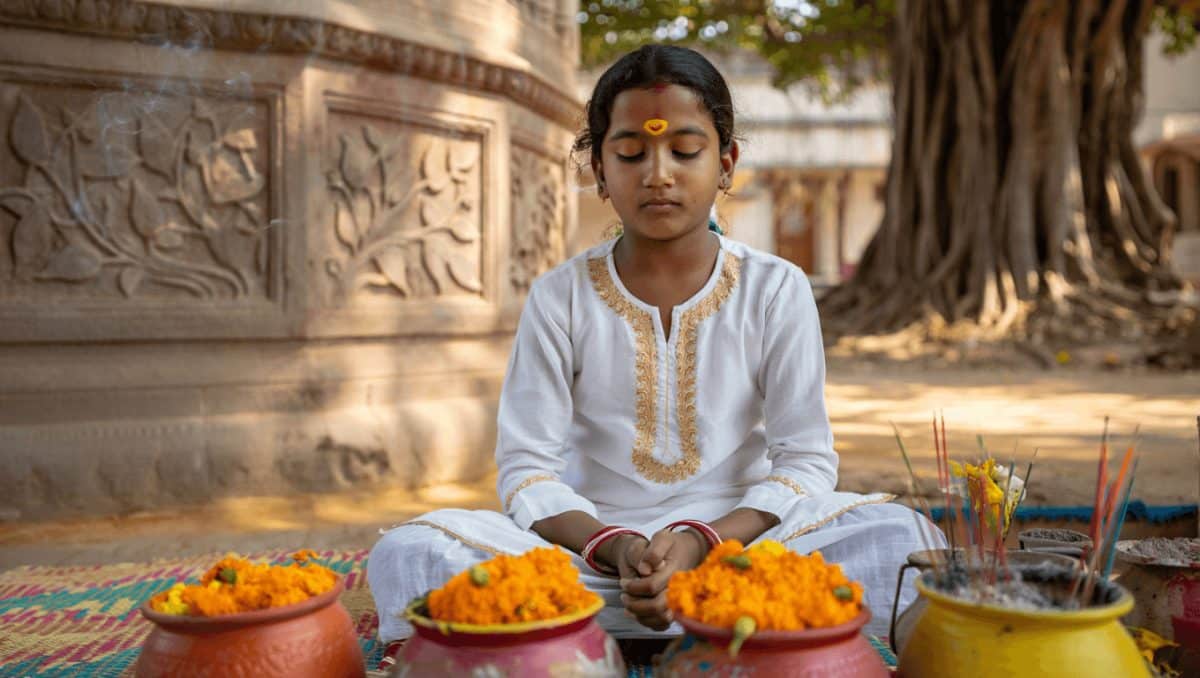
- Pandits — priests who perform rites, explain the meaning behind them, and maintain ritual continuity across generations.
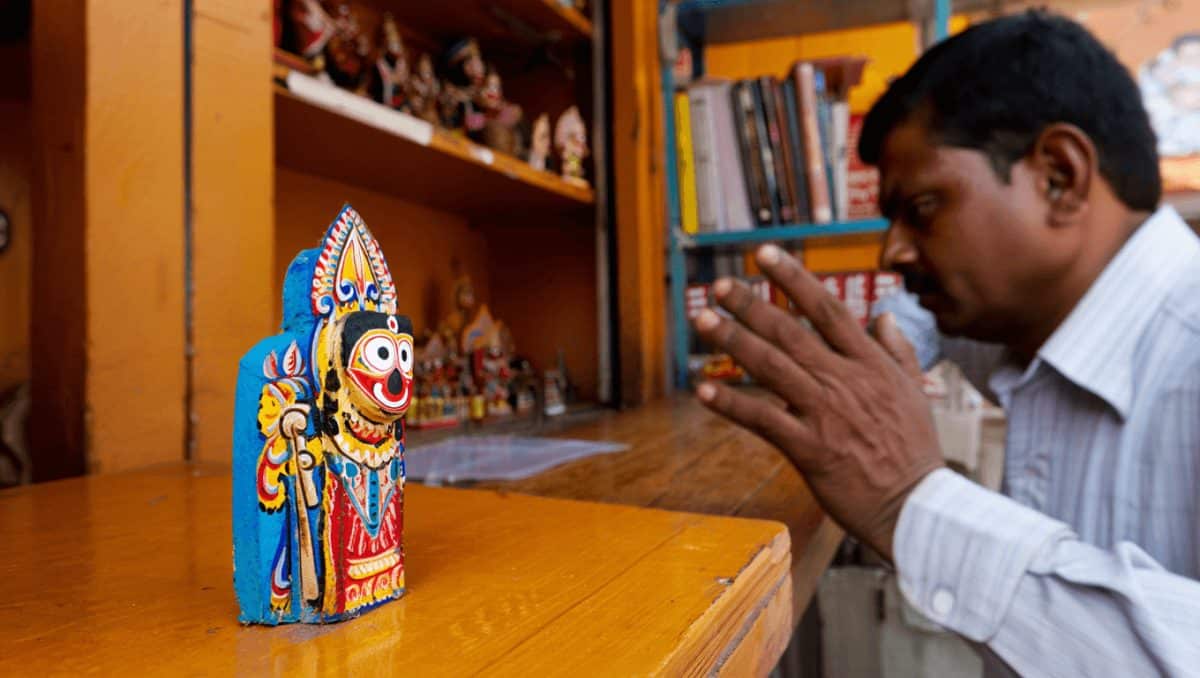
- Pujaris — temple caretakers who manage sanctum rituals and guide devotees through formal worship.
- Gurus and acharyas — teachers offering deeper spiritual context, ceremonies and initiation for seekers.
- Jyotish (astrologers) — advisors who determine auspicious timings and often prompt the very decision to undertake a journey.
- Spiritual guides — interpreters of local histories and myth, who convert sites into meaningful experiences.
- On-ground attendants — logistics coordinators who manage queues, facilitate darshan and solve daily frictions for visitors.
- Transport partners — drivers who know the unseen rhythms of a temple town: which lanes open early, where to wait, how to move a family group safely.
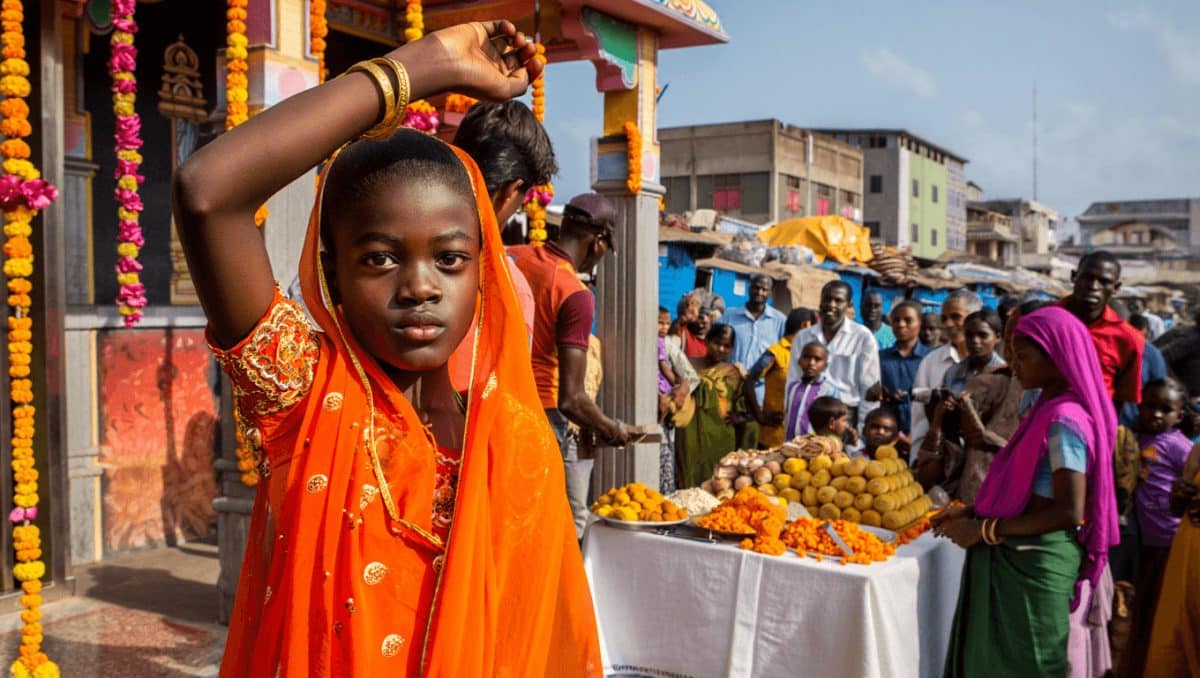
- Floral and ritual vendors — suppliers of malas, puja-thalis and offerings that activate every ceremony.
- Prasad and bhog providers — kitchens and small businesses that prepare sanctified food and distribute it to devotees.
- Photographers — professionals who document ceremonies and family moments so memories survive beyond a single trip.
- Havan and samagri suppliers — specialists who supply traditional materials for fire ceremonies and other rites.
Beyond these twelve core roles, the network also engages bhajan artists, language liaisons for overseas visitors and other local experts who help rituals remain accessible and authentic.
Impact designed into the journey
Rather than treating impact as an add-on, the model routes payments directly to local providers each time a yatra is booked. That means earnings go to the people who perform and preserve the tradition — not to distant middlemen.
This shift matters because economic incentives shape cultural preservation. When priests and guides earn a sustainable living, they are likelier to remain in their communities and teach the next generation. When hosts and vendors prosper, neighbourhoods retain the character that draws pilgrims in the first place.
Numbers that signal a change
In its first eight months the network reports more than ₹50 Lakh+ paid into town economies through partnerships with over 200 local collaborators. Activity so far spans four of India’s major pilgrimage centres and suggests a scalable alternative to extractive tourism models.
| City | Typical local partners | Why it matters locally |
|---|---|---|
| Ujjain | Pandits, homestays, bhog kitchens | Reinforces small-scale livelihoods tied to temple seasons |
| Kashi (Varanasi) | Pujaris, boatmen, floral vendors | Helps preserve riverside economies and ritual expertise |
| Ayodhya | Gurus, astrologers, event attendants | Supports traditional roles that sustain pilgrimage practices |
| Haridwar | Homestays, transport partners, photographers | Improves seasonal earning opportunities for local households |
What this means for devotees and towns
For travellers, the model promises a fuller, more authentic visit: rites explained by local experts, accommodation within neighbourhood life and a lower chance that the experience is commodified into an impersonal package.
For towns, the stakes are economic and cultural. Redirecting revenue locally can slow the loss of custodial knowledge to urban migration, increase pride in hosting and sustain businesses that depend on ritual cycles rather than one-off transactions.
These early figures do not resolve deeper challenges—regulation, seasonality, and equitable distribution among partners remain — but they establish a practical pattern: when the financial flows of pilgrimage are realigned, the people who keep ritual life functioning receive tangible benefit.
The DharmikGuide approach is not a cure-all, but it is a testable blueprint for how religious tourism can support the communities that enable it. At this stage, the outcome to watch is whether these initial gains translate into long-term stability for the custodians of pilgrimage culture.