Show summary Hide summary
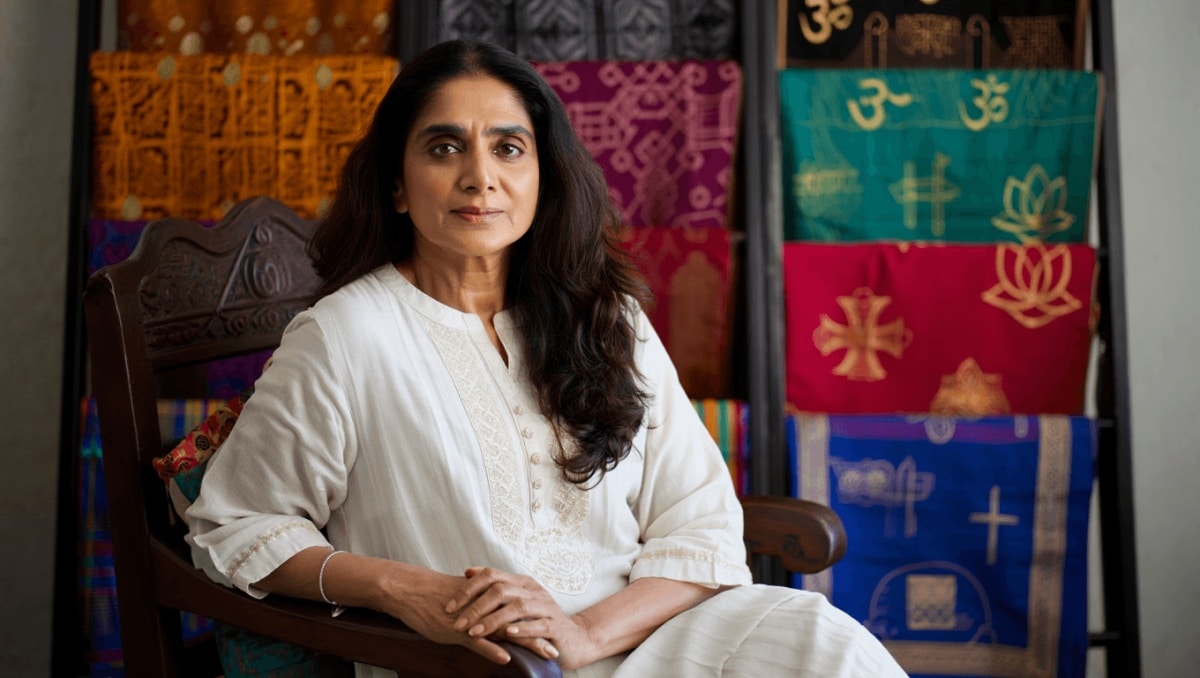
Zeenat Aman says she was born Laliteshwari and that the patchwork of faiths and cultures around her shaped how she sees the world — not through a single religion but through simple human values. The veteran actress revealed these details in a recent interview, framing her identity as the product of a plural upbringing rather than adherence to any one creed.
A childhood stitched from different traditions
Aman described growing up between several cultural spheres: a mother from a Hindu background, a father who was Muslim, years in a Catholic school, and a German stepfather later in life. She told reporters that these overlapping influences left little room for rigid labels.
Her disclosure that her birth name is Laliteshwari has attracted attention because it highlights a lesser-known chapter of her life and underlines how personal identity can defy simple categorization.
Shah Rukh Khan used the name Abinav to ease in-law worries: Gauri adopted Ayesha during nikaah
Javed Akhtar hails Hindu festivals as cultural glue: throwback of atheist celebrating resurfaces
Why she rejects a single religious identity
Rather than aligning with one faith, Aman said she prefers to live by values such as compassion and love. She framed these as her guiding principles, describing them as a kind of personal creed that carries more weight for her than institutional religion.
That stance echoes a broader conversation in public life about how celebrities and cultural figures talk about faith — and how those remarks resonate in a society where religious identity often plays a public as well as private role.
- Birth name: Laliteshwari
- Family background: Mother Hindu, father Muslim, stepfather German
- Education: Attended a Catholic school
- Current stance: Identifies with humanity, kindness and love rather than a formal religion
Her comments matter now because conversations about identity and secularism remain prominent in India and beyond. When a long-standing public figure explains a personal philosophy shaped by multiple traditions, it invites listeners to consider how upbringing shapes belief — and how public life can reflect complex private histories.
Aman’s remarks are straightforward rather than confrontational: they offer a personal snapshot of someone who sees faith as lived values, not just as affiliation on paper. For readers following debates about pluralism, her choice to name her birth identity while emphasizing a human-first ethos is quietly significant.