Show summary Hide summary
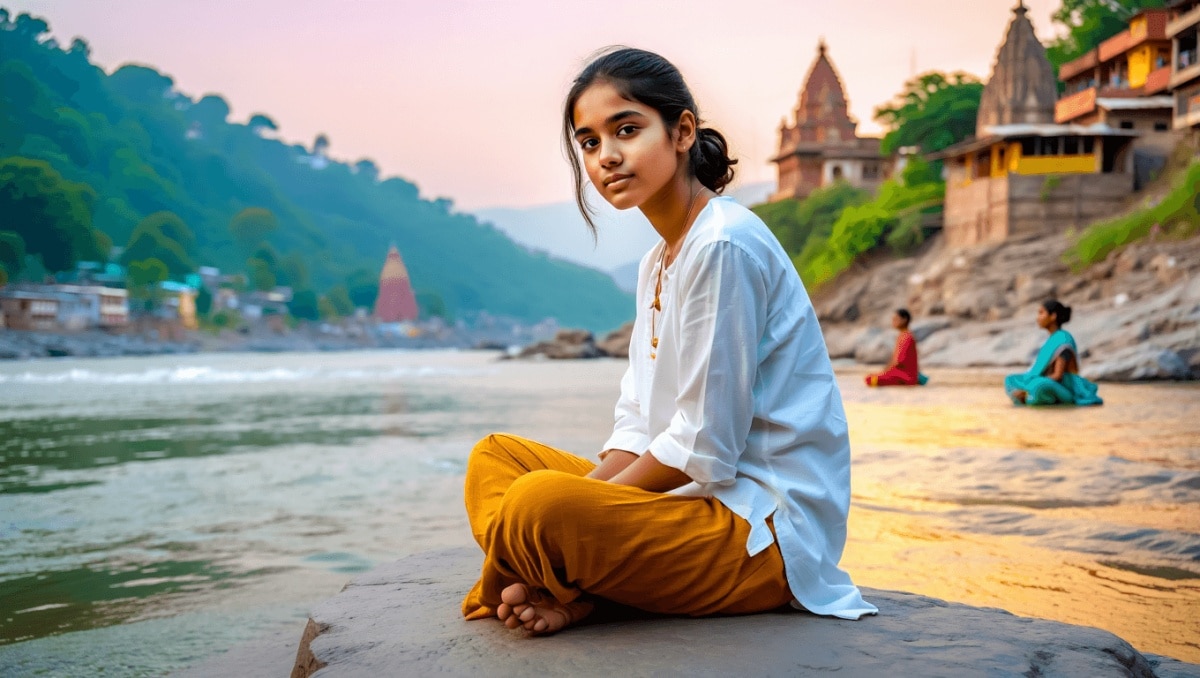
A cultural shift in how young Indians travel has gone from niche to mainstream in a few short years. Instead of late-night clubs and curated nightlife, many 20-somethings now prefer dawn on a riverbank or a silent retreat — and industry numbers show this change is reshaping local economies and travel strategies across India.
Data forcing a rethink
Tourism and market figures from 2024–25 point to an unmistakable pattern: youth travelers are steering demand toward religious and wellness destinations. In one widely cited destination, nearly six in ten visitors in 2025 were from Gen Z, with millennials making up much of the remainder. Nationwide, bookings for stays at pilgrimage sites climbed by roughly one-fifth to a quarter year-on-year, and several smaller temple towns reported double-digit rises in visitor numbers.
Annamalai applauds Bhagwat’s message on Muslim inclusion in India
Navratri in Times Square goes viral: social media splits over Indian celebrations abroad
At the same time, broader spending on spiritual tourism has ballooned. Industry tallies indicate revenue in the sector surged from around ₹65,070 crore in 2021 to roughly ₹1,34,543 crore in 2022, with younger travelers accounting for a significant share of that growth.
- Shift in nightlife: Alcohol consumption among young urbanites is declining and metropolitan nightclubs are seeing softer footfall.
- New destinations: Places once written off as “grandparent holidays” are trending among under-30 travelers.
- Experience focus: Sunrise rituals, trekking to remote temples and ashram stays are being booked as weekend alternatives to conventional city leisure.
What young travellers are actually looking for
Conversations with people making these trips suggest the motivation is rarely conventional piety. Instead, four recurring needs emerge:
- Silence. A break from the relentless stream of notifications and opinion: an hour of quiet on a ghat or inside an old shrine feels restorative in a way apps can’t replicate.
- Rootedness. Many members of the diaspora and second-generation urbanites describe visits as a way to reconnect with cultural traditions and family memory.
- Community without performance. In religious spaces, social status and professional identity recede; people report a different, less competitive social environment.
- Awe. Encountering centuries-old architecture and ritual provokes a sense of scale and continuity that tourists increasingly seek.
Social media’s double role
Ironically, the platforms most often blamed for anxiety are also fueling this trend. Short video reels and photo stories have made temple rituals, sunrise ghats and mountain meditation visually compelling to younger audiences.
Creators have reframed devotion as an aesthetic — morning light on carved stone, rhythmic bells, mist over a river — and that visual language draws new visitors. Yet many of the same visitors report putting their phones away once they arrive; the content they consumed acts as an invitation, and the experience itself demands presence.
Local economies are adapting
Smaller towns built around sacred sites are experiencing noticeable economic effects.
Hotels and heritage properties are being repurposed as boutique stays; local crafts are finding renewed markets. A new wave of entrepreneurs is packaging “sacred experiences” — from app-based temple maps to guided sunrise yoga and curated ashram programs — while public investment has gone into upgrading infrastructure and digitizing pilgrim services.
| Destination | Reported change | What it indicates |
|---|---|---|
| Rishikesh | Gen Z accounted for nearly 59% of visitors (2025) | Youth-led demand for wellness and pilgrimage |
| Gokarna | ~25% rise in accommodation bookings | Smaller coastal pilgrimage towns gaining popularity |
| Hampi | ~18% growth in visits | Heritage destinations attracting younger travelers |
| Varanasi | Soaring search interest among under-30s | Historic cities shifting from elder-focused to youth-friendly |
Global echoes
The pattern is not limited to India. International booking platforms and wellness providers reported steep increases in reservations for meditation and yoga retreats in 2024–25, while surveys suggest a growing share of younger adults worldwide describe themselves as spiritual rather than strictly religious.
That global demand often points back to India, which many see as an origin for practices they pursue abroad — pushing more diaspora travellers and curious international visitors to plan pilgrimages here.
Why this matters
Generational ideas of a “good life” are shifting. For older cohorts stability was central; for many millennials, curated experience held sway. A rising number of Gen Z travellers now prioritize alignment — seeking experiences that match inner values rather than simply fitting social expectations.
That shift has cultural and economic consequences: new business models, renewed interest in local craft economies, changes in municipal planning, and a reframing of tourism marketing away from nightlife and luxury shopping toward heritage and wellbeing.
It’s not a rejection of modern ambition; rather, many young people are trying to pair professional drive with a sense of meaning. If this trend continues, expect travel strategy, infrastructure investment and cultural programming to follow the appetites of a generation that wants both rootedness and mobility.
For readers considering their own options: a short weekend away — a dawn on a riverbank, a single temple visit, a morning of quiet — can be a low-commitment way to test what many young travellers now report: stepping out of the online noise alters how you see the rest of your life.