Show summary Hide summary
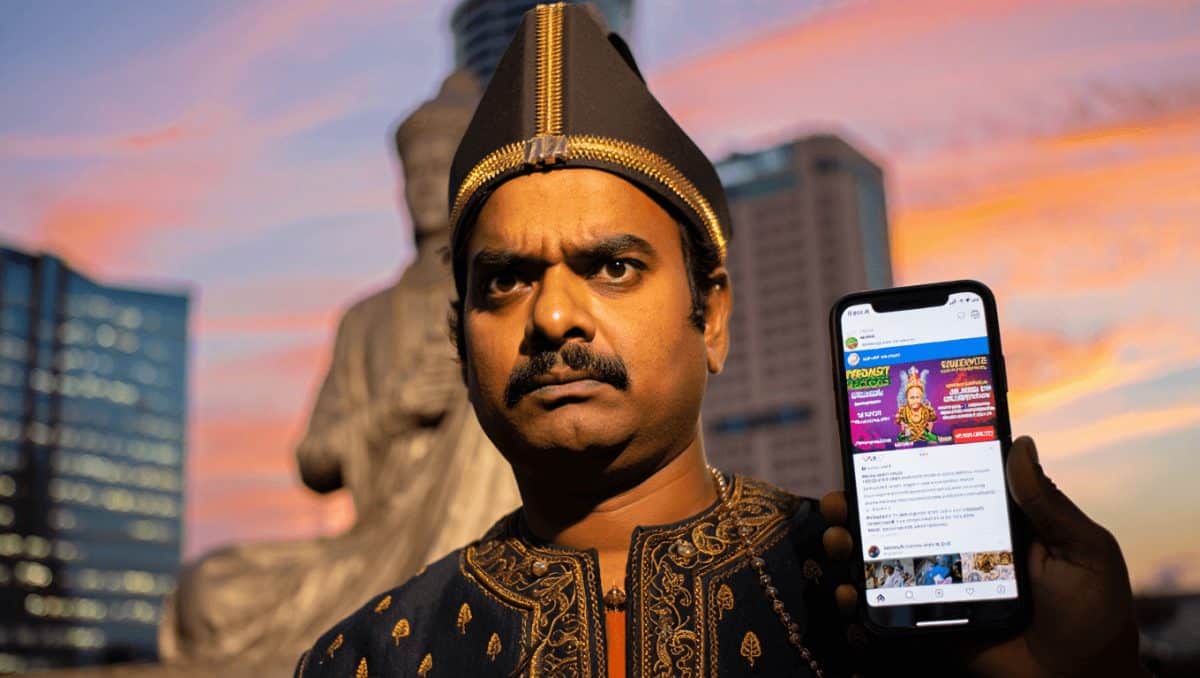
A skirt described as inspired by the traditional Indian technique Bandhani and priced at ₹44,800 has reignited a familiar debate over how global fashion houses use and profit from local crafts. The listing, credited to Ralph Lauren, sparked sharp criticism online from designers, cultural commentators and craft advocates who say such pieces often fail to acknowledge or compensate the artisan communities that developed those techniques.
The controversy matters because it sits at the intersection of cultural heritage, commerce and livelihoods: when international brands sell garments derived from regional handicrafts, questions arise about credit, fair payment and whether the communities behind those crafts share in the economic benefit.
What people are objecting to
Kashi to Kedarnath costs revealed: how much a Sawan pilgrimage will set you back
Hinduism gains ground in Africa: new communities reshape culture and commerce
Critics have pointed to three broad concerns. First, the visual and descriptive presentation of the skirt appeared to borrow the hallmark motifs and tie-dye process associated with Bandhani without naming the region or the artisans who practice it. Second, the retail price and brand mark-up reignited debate over how little reaches makers in India compared with the final retail value abroad. Third, observers argue that such retail strategies can dilute the cultural meaning of a craft when it is repackaged solely as a global fashion trend.
On social platforms and in statements from designers and craft activists, the response mixed ethical critique with calls for practical remedies: clear attribution, equitable sourcing arrangements, and transparent supply chains that include the artisans themselves.
Background: Bandhani in brief
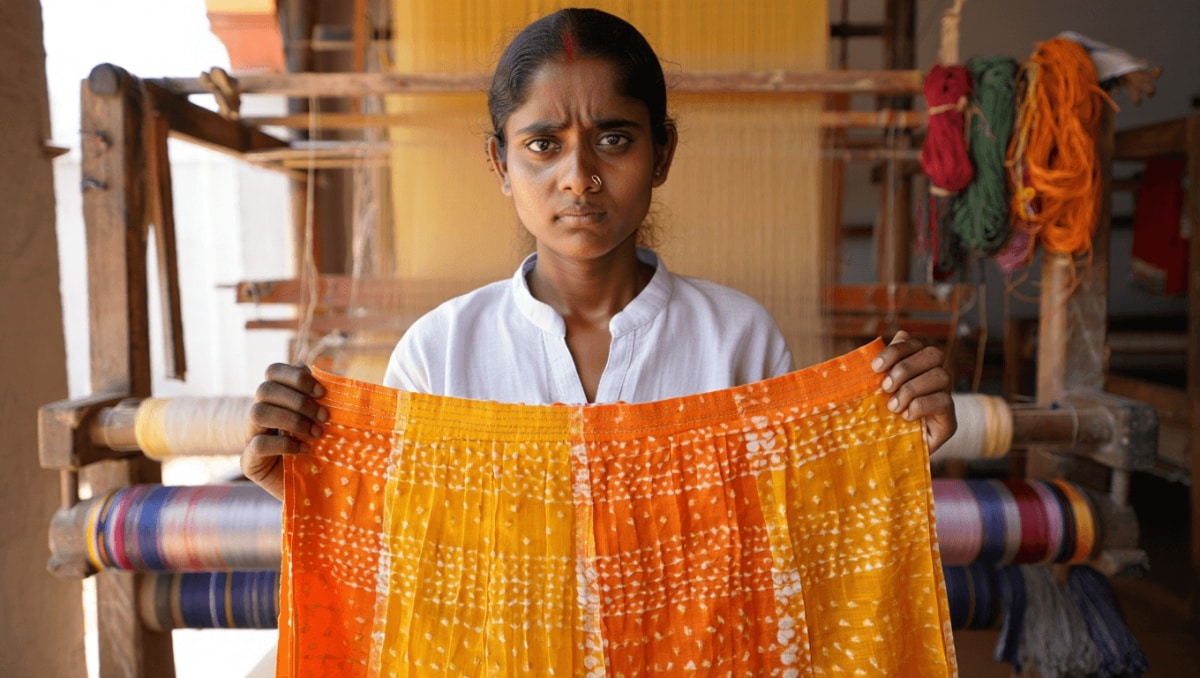
Bandhani — a centuries-old resist-dye technique practiced largely in Gujarat and Rajasthan — is known for its tiny tie-dyed dots and intricate patterns produced by knotting and dyeing cloth. The craft supports rural households through seasonal work and small-scale workshops, often passed down within families.
| Item | What it means | Why it matters now |
|---|---|---|
| Bandhani | Hand-tied resist-dye textile tradition from western India | Replicated aesthetics are now widely visible in global fashion |
| High retail markup | Luxury pricing for artisanal-inspired garments | Raises questions about value distribution and fair pay |
| Public backlash | Condemnation from designers, activists and users online | Can pressure brands to change sourcing or acknowledge makers |
Not every use of traditional technique amounts to exploitation; collaborations and properly credited partnerships can create new income streams for artisans. The current dispute is less about aesthetic similarity than about whether recognition and economic benefit are shared.
- Practical steps activists ask for: direct partnerships with artisan groups, clear labeling of origin, and transparent pricing models that show how makers are compensated.
- What brands can do: commission and credit traditional makers, publish supply-chain details, or offer formal collaborations that invest in local craft infrastructure.
- What consumers can look for: origin labels, artisan credits, and brands’ reporting on responsible sourcing.
Some industry observers expect this incident to push more scrutiny of luxury brands’ use of vernacular crafts, particularly as consumers increasingly demand ethical supply chains. Others warn that knee-jerk accusations can hamper legitimate creative exchange if not grounded in facts about sourcing and compensation.
The next developments to watch are straightforward: whether the brand issues a statement, whether the product is changed or withdrawn, and whether any formal offers of collaboration or remuneration are made to Bandhani artisans. For the communities that keep these textiles alive, the outcome will influence not only reputation but also potential income and support for a fragile craft tradition.