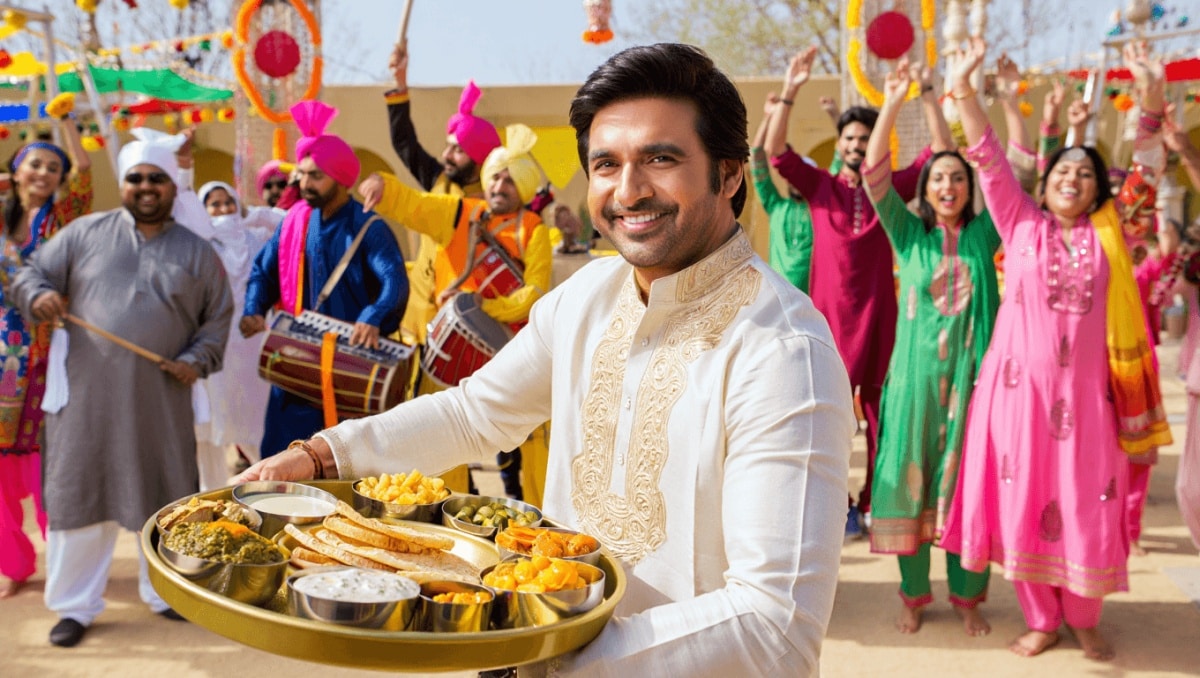
Actor Kanwar Dhillon told The Times of India on April 13, 2026, that the emotional core of Punjabi festivals like Baisakhi is rooted in shared meals and the music and dance that follow. He framed those elements as the festival’s connective tissue — the things that keep traditions alive for families in Punjab and the diaspora alike.
Speaking ahead of this year’s Baisakhi celebrations, Dhillon emphasized how everyday rituals — cooking together, gathering for songs, joining in dance — shape the festival more than any single ceremony. His comments touch on a broader conversation about how cultural practices endure and adapt in a changing media and social environment.
For many Punjabis, Baisakhi marks both a harvest milestone and a cultural reset. Beyond its agricultural and religious meaning, the day is often defined by what people eat and the public performances that follow. Dhillon’s remarks underline that those sensory, communal experiences are central to the festival’s appeal.
Kashi to Kedarnath costs revealed: how much a Sawan pilgrimage will set you back
Hinduism gains ground in Africa: new communities reshape culture and commerce
Why this matters now: As public celebrations rebound after pandemic restrictions and younger generations remix traditions online, the way festivals are observed is shifting. Food and performance remain immediate ways to reconnect older and younger participants — and they influence how communities present themselves to wider audiences.
- Food: Shared meals and special dishes create a common memory across households and generations.
- Music: Traditional tunes, modern Punjabi pop, and bhangra beats all play roles in keeping the festival vibrant.
- Dance: Group performances and spontaneous bhangra form the festival’s public, participatory heart.
Local economies feel this cultural continuity. Restaurants, catering services and seasonal markets often see a spike in demand during Baisakhi, while event organizers book troupes and DJs for community gatherings. For artists and performers, the festival offers important visibility and income opportunities.
At the same time, Dhillon’s view signals how cultural anchors can help heritage survive subtle erosion. When food and performance are prioritized, rituals are easier to pass down: children learn recipes in kitchens, songs on social media and dance steps at family events. These daily practices become conservation mechanisms as much as celebrations.
There are also implications for how Punjabi culture is represented outside the region. Social platforms amplify festival moments — a communal meal, a bhangra clip, a street procession — turning local traditions into widely viewed content. That exposure can strengthen cultural identity but also prompts conversations about authenticity as styles blend and evolve.
Dhillon, who has been involved in film and television projects that draw on regional themes, framed Baisakhi as a living tradition rather than a static ritual. That perspective suggests festivals will continue to adapt, keeping core elements like food, music and dance while incorporating new tastes and technologies.
Whether celebrated in village squares or urban living rooms, Baisakhi’s resilience appears to depend less on formal ceremonies and more on everyday cultural practices. For readers planning to attend or host Baisakhi events this year, the takeaway is practical and human: prioritize communal experiences — a shared meal, a song, a dance — and you keep the celebration’s spirit intact.