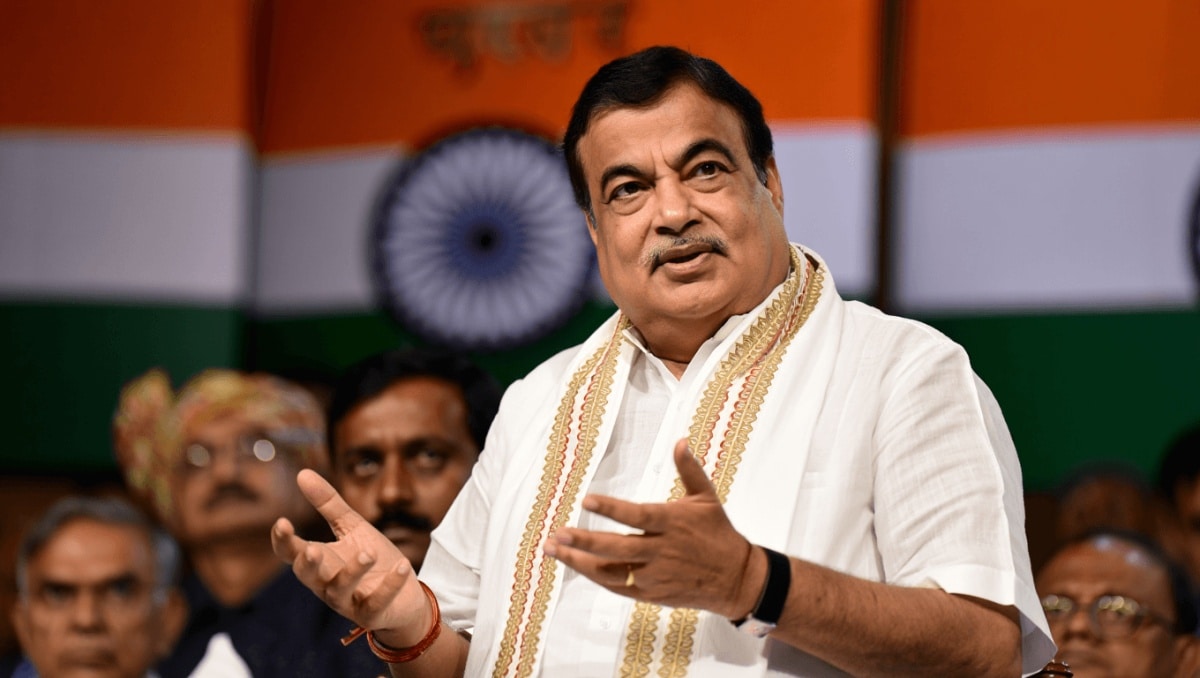
Union minister Nitin Gadkari on Sunday presented India’s ancient philosophical traditions as a potential counter to rising international tensions, arguing that the country’s civilisational values offer practical guidance for a fractured world. He made the remarks while opening a new Vedic Pathshala in Ghogali, a project launched by the Soham Foundation, saying the teachings could inform both personal conduct and public life today.
At the inauguration, Gadkari called for renewed attention to India’s classical knowledge systems, describing familiarity with the **Vedas** as central to the country’s ethical and intellectual heritage. He framed this revival as more than cultural nostalgia, suggesting it could shape how India engages with global challenges.
The minister outlined the four principal Vedas as the backbone of that tradition, pointing to their long-standing role in shaping Indian thought. Below is a concise guide he referenced to explain their distinct contributions:
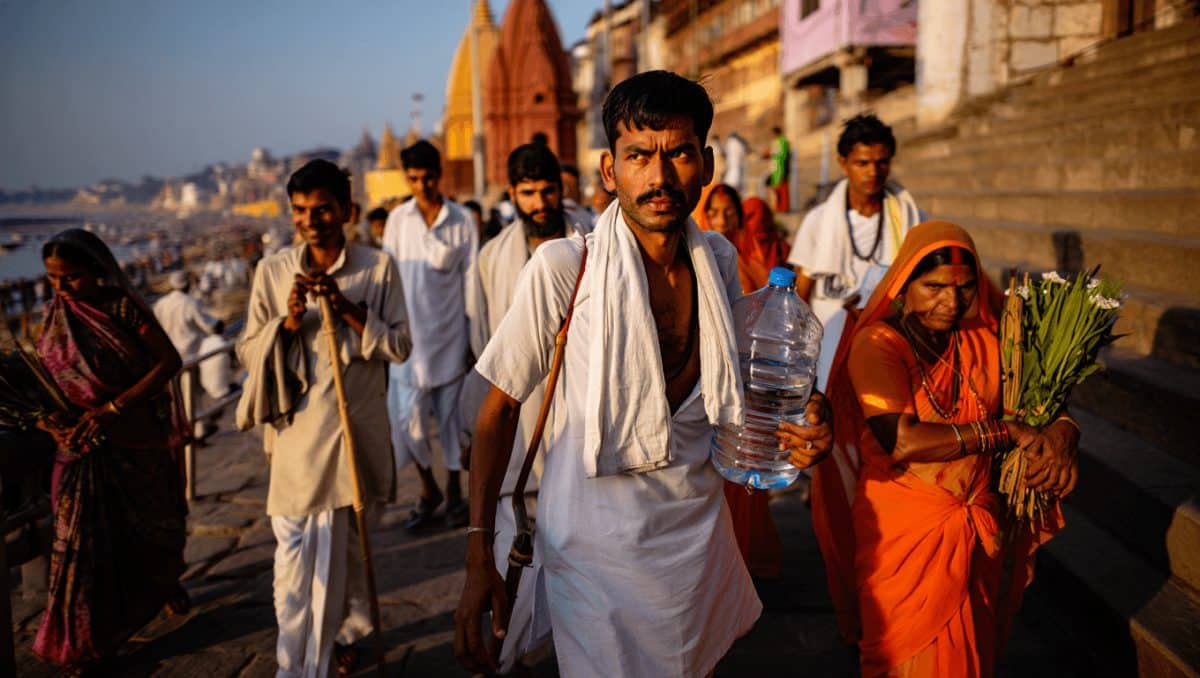
Kashi to Kedarnath costs revealed: how much a Sawan pilgrimage will set you back
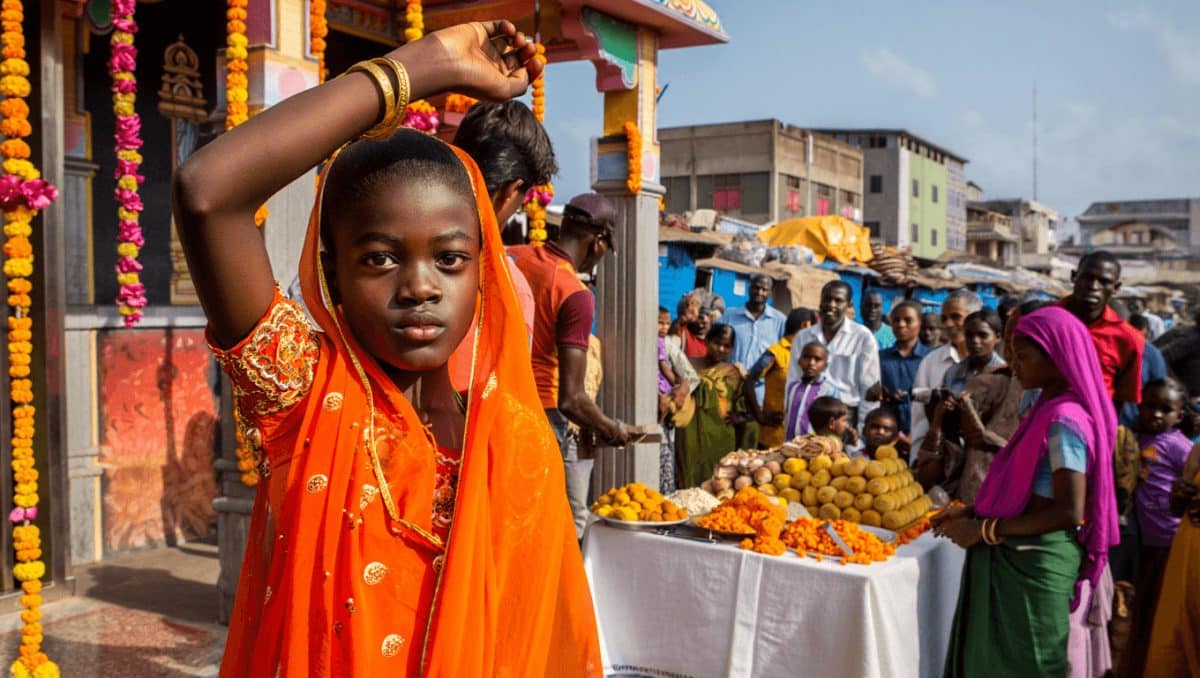
Hinduism gains ground in Africa: new communities reshape culture and commerce
- Rigveda — hymns and poetic material that form the oldest layer of Vedic literature.
- Samaveda — chants and melodies associated with ritual recitation.
- Yajurveda — prose and formulas used in sacrificial rites and ceremonies.
- Atharvaveda — a collection that includes spells, practical knowledge and social customs.
Gadkari emphasized that these texts underpin a worldview concerned with collective welfare rather than narrow self-interest. He described the philosophy commonly grouped under **Sanatan Dharma** as inherently inclusive, extending concern to community and global well‑being, not only to individuals or families.
Against the backdrop of what he termed growing discord across nations, the minister argued that India’s historical emphasis on coexistence could offer a practical alternative to polarising tendencies. He invoked Swami Vivekananda’s speech at Chicago as a touchstone for the country’s pluralistic approach to religion and belief.
Policy implications suggested by the speech include a push toward integrating classical learning into public life and diplomacy. Gadkari portrayed such steps as avenues for soft power and cultural diplomacy, though he did not lay out a detailed policy plan at the event.
Observers say the message resonates with broader debates inside India about cultural education and national identity. Whether the rhetoric translates into concrete changes in curricula, outreach or international engagement remains to be seen.
For readers, the significance lies in two clear takeaways: first, debates over cultural heritage are shaping contemporary policy conversations; second, leaders are increasingly framing those traditions as resources for addressing modern, cross-border problems rather than merely historical artifacts.